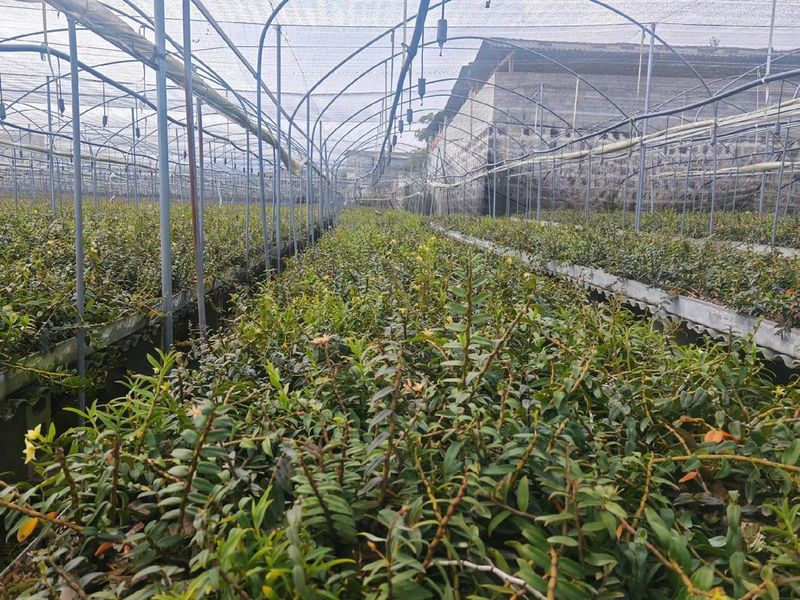
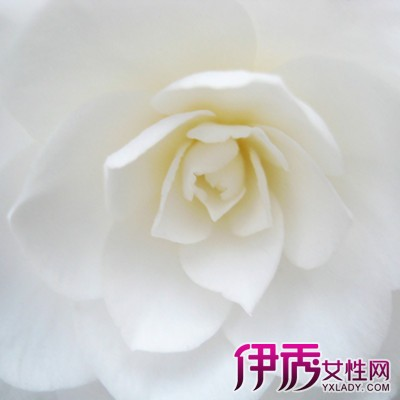
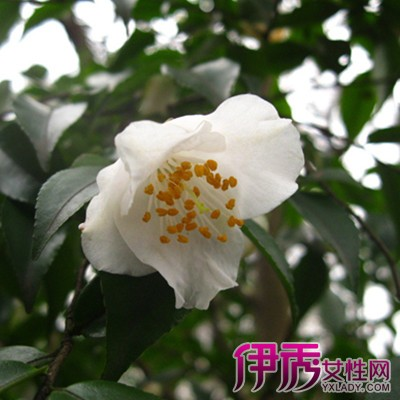
The tea flowers are also known as mountain tea, which is made of mountain tea, ancient pomegranates, a warm, wet environment. The flowers are longer, open from october to may of the following year, usually in january-march. The petals are bowl shapes。
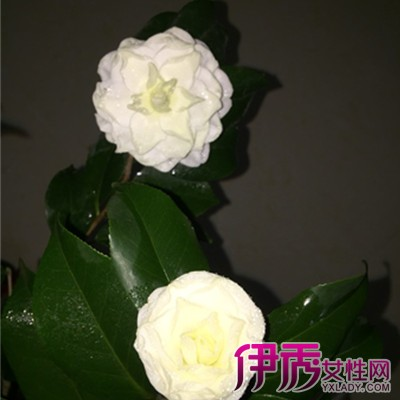
Mountain tea
Plumb: cute, humble, ideal love, cautious, great charm
How can you despise my love
Mountain tea flower (red): natural beauty
Type: mountain tea section
Teaflower (school name: camellia japo)It is also known as mountain tea, which is a mountain tea section, a mountain tea plant, ancient pomegranate, a warm, wet environment. The flowers are longer, open from october to may of the following year, usually in january-march. The petals are in the form of bowls, with single or heavy petals, most of which are virgins and up to 60 petals of heavy petals. Teas have varying degrees of red, purple, white, yellow and even coloured tea, with branches up to 4 metres。
They are valued by the world's horticultural community for their beautiful shapes, their brightness for green and green leaves, and their beautiful shapes. The variety of tea flowers is extremely high and is traditional in china, ranking seventh among the top 10 flowers and one of the world's most famous flowers. Born in the eastern part of china, it is widely cultivated in parts of the yangtze, pearl river and yunnan, including in korea, japan, taiwan and india。
Reproduction
There are many breeding methods for tea flowers, both sexual and non-sexual, in which adhesive and adhesive practices are most common。
Zip
The method is the simplest, the best for september and spring. Selecting to grow well, half-wooded branches, removing the blades of the base, retaining the upper three leaves, cutting them in a sharp knife, immersing them immediately into 200-500 ppm 吲哚butyric acid for 5-15 minutes, drying them and inserting them into sand or cylindrical pellets, filling them with water for about 40 days to heal their wounds and rooting them for about 60 days. Plugging with hormones takes place 2-3 months earlier than without hormones. Plugged with cylindrical stones and rooted much faster than the sandbed。
Pick up
Suitable varieties such as tea tea or oil tea are chosen for wood, depending on the well-known tea flowers. The timing of the docking is generally between the festivals of qingqing and mid-autumn. First, plant the platinum in a flower pot, cut it in half of each part of the union, smooth the cut, then make both sides
The sides are closely bound, covered with plastic sheeting and watered twice a day to the logs, which can heal in 60 days. At that time, planting can be cut off and placed under the shade of a tree, avoiding direct sunlight. In february of the following year, the tails of the logs were cut with a knife and then planted。
Ipt
Leaf-plugging in tea-breeding is generally the practice, but some valuable varieties also use leaf-plugging because they are restricted by branch sources or because of the impact on their tree shape of extraction. A plume of masonal mud is used to mix into one third of the river sand, so that it can be drained with ease, and the base is contained in the balconies, which are then inserted in the basin. Leaf plugs are best carried out during the rainy season, with a year-old leaf-leafing material that is too old to be rooty and too young to rot. The soil is inserted about two centimetres, which is then pressed to the soil, which is filled with water, and then placed in a cold, ventilated place. In general, three months can take root and the second spring can take root。
High interpolation
The greatest feature of high-altitude stripping is the ability to give new life to the weak branches of tea flowers that should be trimmed. And it's a high rate of survival, recovery and early flowering. This is done by cutting the thin and thin branches that will need to be trimmed and stripping them in the right place, with the length of the ring (which can normally be kept in 15-25 cm branches), which can be between 5 and 8 mm, binding appropriate plastic membranes, inserting sterile grass-char or foliage into the membrane, and after 7 to 10 days, stripping 5 to 8 mm in the lower part of the membrane, which is called bi-rembrandation。
Trees
Tea flowers are a relatively difficult plant to live, and their breeding methods are varied, with marriage most common. Bridging to breed tea flowers has many advantages: it preserves the quality of the varieties; it accelerates the growth of the plants and enables them to form quickly and to produce on a scale; it is particularly important to save the stalks, especially for rare rare species with small stalks; and the technology of the tea tree to harvest tea flowers: when it is appropriate to marry between june and july, when the fresh swabs of the swabs have spread and the temperature is high, the wounds of the sap are healing and the rate of survival is high. The method of marriage is to take advantage of the interlinkage method. Because of the high level of indoctrination, it is often called a “high-wielding switch”。
Plantation techniques
Light temperature
The yangtze is better served by north chun, and the yangtze is better served by south autumn. Land plantations should have good drainage and high water conservation performance. A sandy sandy soil。
Mountain tea is a semi-negative flower that needs to be covered during the summer. After autumn, when temperatures fall and tea enters the budding period, the whole plant should gradually be luminous. The winter should be filled with indoor sunlight, and if the indoor light is too weak, the tea should be poorly grown and prone to pests and diseases. Mountain tea is a sun-light plant. In an environment of 12 hours ' duration, a bud can be formed. The most growthable temperature is 18-25°c, the most flowering temperature 10-20°c, and leaves burning above 35°c. Without cold, winter should be indoors, with temperatures of 3-5°c and low temperatures of short duration - 10°c, but not longer than 16°c, which would cause the germinates and leaves to fall. Living in a semi-vaginal environment is too long to accept too much direct sunlight. In particular, the summer and autumn shall be shaded or shaded under the tree. Mountain tea is warm and cold. The indoor temperature cannot be below 5°c. The temperature is between 10°c and 15°c, and other measures are appropriate so that spring festivals can bloom until march。
The tea flowers are also known as mountain tea, which is made of mountain tea, ancient pomegranates, a warm, wet environment. The flowers are longer, open from october to may of the following year, usually in january-march. The petals are bowl shapes。
Water and fertilizer
Mountain tea is a high demand for fatty water, and both neutral and alkaline soils are detrimental to their growth. In the north, particular attention is paid to the fact that alkaline water can be ploughed after it is acidized, by storing running water two days to volatilize chlorine gas in water and add appropriate quantities of iron sulphate (about 0. 5% of water). The water must not be overwatered, otherwise it can rot. Nor can the soil dry itself, otherwise the roots may shrink as a result of water loss, so as to preserve the soil and the surrounding environment. Do not spray. In general, indoors are dryer during the winter, and water should be sprayed regularly on the tea side of the mountain to create a wet, small climate. But it's raining. Water should not be sprayed on flowers, which otherwise would cause them to rot and shorten the period. The flowers are cut off in time. In winter, water is poured, depending on the temperature of the room, usually once for about three days, with a pelvis wet, protected or half-watered. The running water should first be stored in a bucket for one or two days to volatilize chlorine. One per cent of iron sulphate in water would be preferable to improve water quality。
Mountain tea is fat. In general, pneumatic fertilizers are applied at the bottom of the basin during upper or rebaskets, and decomposed liquid fertilizers should be applied once a week in the autumn and winter due to the blistering of flowers, as well as one to two phosphate fertilisers, which are too high to cause the buds to burn, with or without fertilization. Fertilizing is best served by thin beryllium fattening, and is forbidden to apply strong fattening. After a normal spring bulge, a thin water is applied every 17 days, phosphorus and potassium are applied in the summer, a one-month stoppage in the early autumn, an additional americidal water is applied before the flower and rapid phosphorus and potassium fattening is applied when the flower blooms, making the flowers colorful and long-lived。
Integrative trim
The tea is grown mainly to dry and dry branches, weak branches, cross branches, overtly branches, which clearly affect the branches of trees and remove extra buds. In addition to the above work, pelvis tea shall be trimmed according to the preferences of the individual, but shall not be recuted because it is not strong。
Time control
Slowing the flower season is less common due to the intolerant nature of the tea. The flowering period is generally controlled by choice of varieties, temperature control, hormone treatment, etc. In order for the tea to bloom, it can be painted with a pen of 0. 1 per cent aroma in mid-july or early august, and painted on the buds once every three days, and the fat water is managed properly. In september, it was decided whether or not to paint the buds, and if it was estimated that the eleventh flower would be uninsured, it would increase the number of buds, increase the amount of fatter water, and promote the rapid growth of the buds, so that the eleventh would see the flowers。
Winter maintenance
When temperature is reduced to below 0°c, the pellets of tea are moved to the outdoors to stay warm or placed in a three-faced, sun-oriented plastic shed. They may also be placed indoors, but require good lighting and ventilation. In the event of severe freezing, care should be taken to keep warm, and it would be preferable to move the outdoor tea flowers to the interior before the sudden cooling. If placed outside, plastic film, newspaper or cloth should be added at night。
The tea flowers are also known as mountain tea, which is made of mountain tea, ancient pomegranates, a warm, wet environment. The flowers are longer, open from october to may of the following year, usually in january-march. The petals are bowl shapes。
Water fertilizer management tea flowers are warm, wet, afraid to accumulate water. The principle that water should be watered before blooming should be understood in terms of whether the soil is dry or not。
During the winter season, fresh water is sprayed once every three to five days with water temperature close to room temperature in order to increase humidity and wash the dust from the leaves. The amount of water to be poured during the flowering period is suitable for dry and wet water, and the appropriate time to be poured is midday. The winter period is one of expansion of the tea flower buds, with a combined leaf spray of 0. 1 to 0. 3 per cent of potassium phosphate once a month, or one application of thin fats, mainly of potassium phosphorus (1:4) per month。
When other in-house winter pellets bloom (early november when they start to bloom, and normal february-april when they bloom), they are not placed in areas where the light is too strong or the temperature is too high, otherwise the flowers will be given early thanks. Taking away too many flowers can stimulate the flowering and colouring and prolong the flowering period。
I'm sorry
Soils are the basis for the growth of pelt-planted tea flowers, which depend on their growth and development, and the moisture and nutrients required for their life activities are derived mainly from the soil. The tea flower prefers the red (yellow) border of the mountains, which are acidic, highly decomposed and loose, with ph values ranging from 5 to 6. 5, and does not use alkaline soil or clay-heavy soil as a basis for potting tea. Soil formulation: 50 per cent of the soil in the mountains (scrutinized red border soil for crops), 40 per cent of the wood or edible slag, 10 per cent of the cake or animal manure and phosphorus powder, 10 per cent of the concoction, proper water-filled bags cooked, more than 20 days in the summer and autumn and more than 30 days in the spring and winter, which not only decompresses but also protects water and is suitable for the development of tea flowers。
Disease control
The main diseases of the tea flowers are rotaline disease, anthrax disease, deadness disease, foliage disease, tobacco and coal disease, among others. The main drugs are: degenerative disease 800 times; polybacterium 500 times; enzymes 800 times; and cromoxin 800 times。
Insect pests are dominated by red spiders, aphids, vermins, leaf moths and bridge worms, and the main drug is chloromethrin 15ml + aquamine 20ml or monocrotophos 25ml to 30 kg water spray。