We've got a breakthrough in space food
New advances in space vegetable growing technology, from laboratory to table
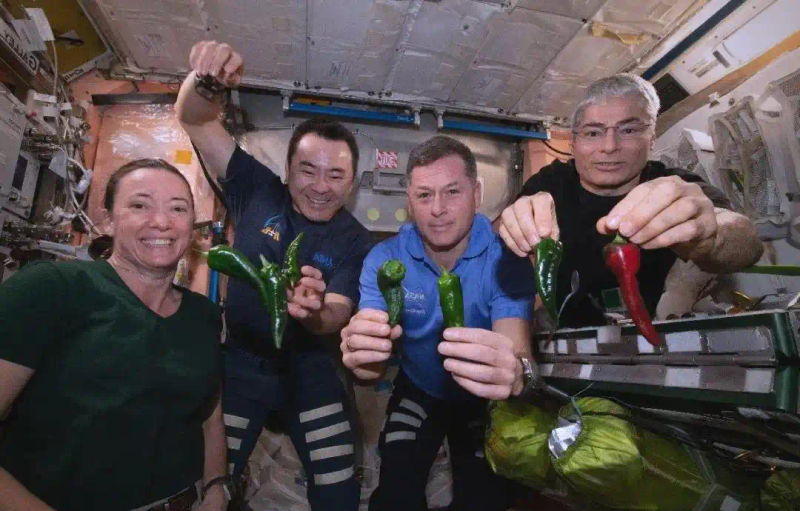
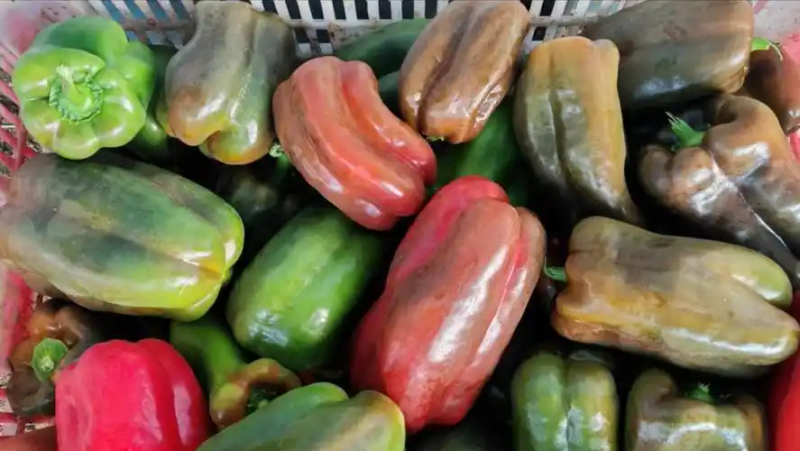
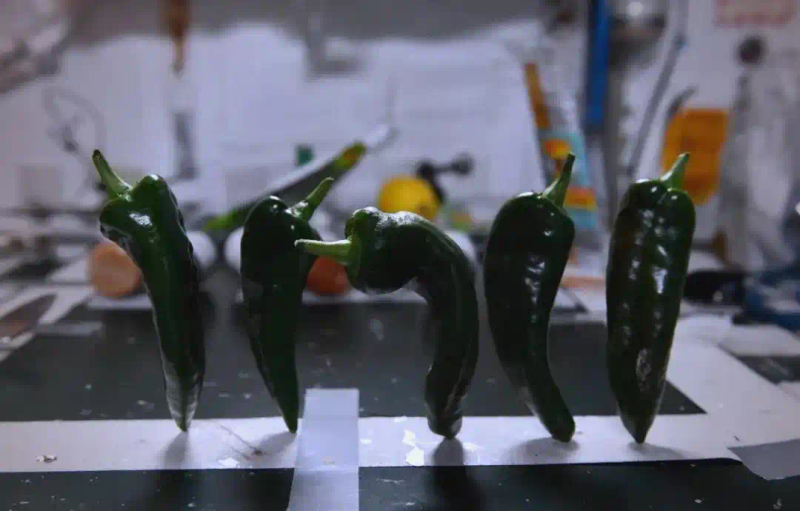
On 29 october, the united states astronauts on the international space station met with an exciting moment — the successful harvest of the first peppers planted in space. After removing these space peppers, the astronauts were excited to make space tacos with chili and admired it as “the best space tacos to date”。
You're probably curious about this new development in space. How did space peppers grow in space? How is it different from the chili on earth? In the future, can astronauts rely entirely on space cultivation for self-sufficiency? Now, let's explore these interesting topics of space food
The history of space pepper growing
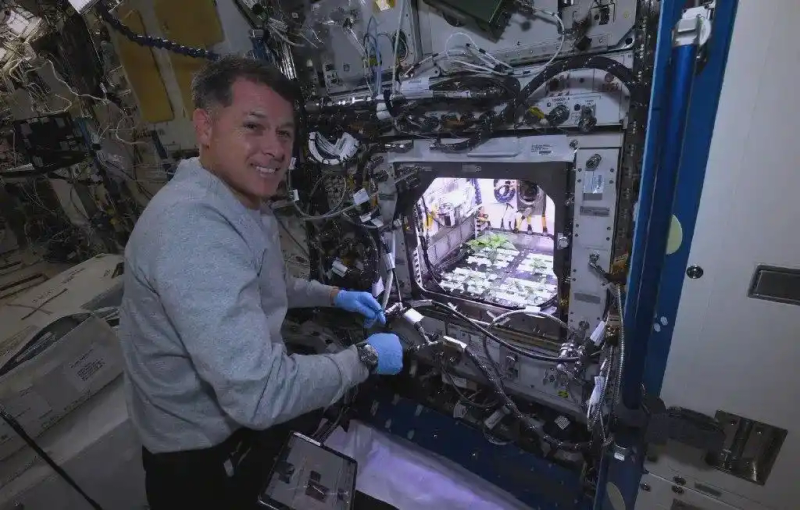
On 23 june 2021, a cargo tender on the international space station carrying 48 sterile pepper seeds flew to the international space station. On 12 july 2021, nasa astronauts carefully placed the 48 sterile pepper seeds in plant culture units, thereby initiating the space pepper cultivation experiment. After planting, the astronauts took careful care of the peppers, including watering, providing proper lighting, imposing special fertilizers, and continuously closely monitoring their growth. When peppers grow, and in order to ensure that they have sufficient space to grow, astronauts carefully reduce the number of plants to four. At the same time, plant research experts on the ground are developing ideas for the healthy development of space peppers to ensure the success of the experiment。
The harvest and meaning of space peppers
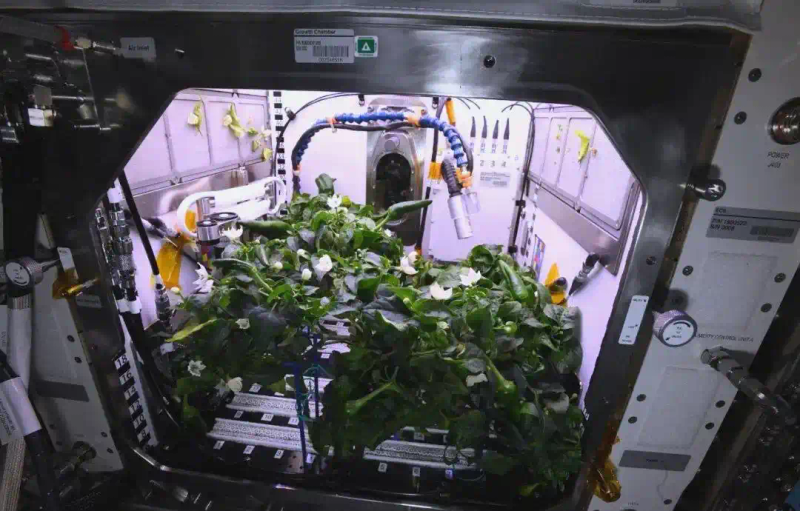
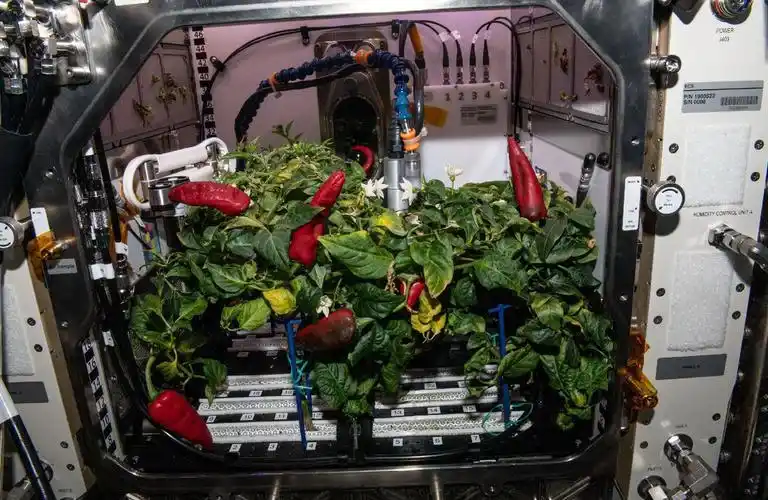
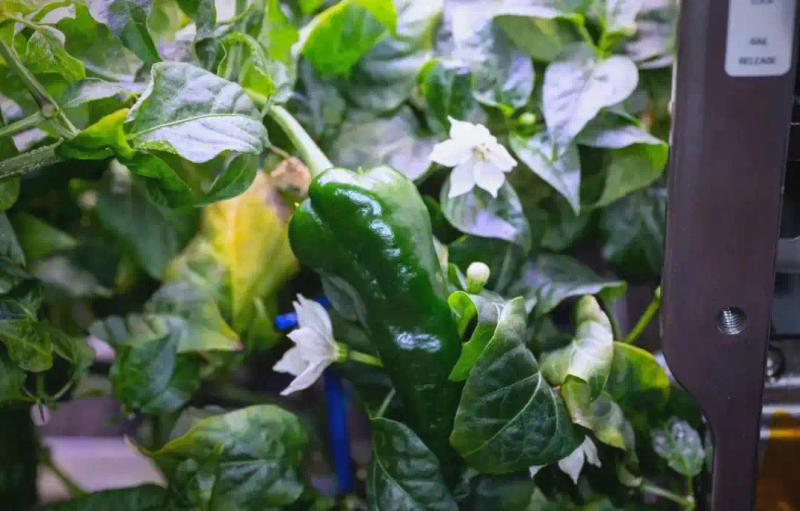
After some careful care, the pepper plant in space has grown. In order to further observe their growth, the astronauts decided to target the cameras at the peppers and record their growth in real time. Through images returned from cameras, plant research experts on the ground are able to see clearly the fine changes in each pepper, thus providing more precise guidance for their healthy growth. Such an initiative would undoubtedly add more guarantees to the success of the space pepper plant experiment。
Following the successful flowering of chili in space, the astronauts skilfully installed small speed-changing fans in the growing room to pollute with the help of wind. Once pollination is successful, these space peppers will quickly produce fruit in a short period of 24 to 48 hours, offering new hope for space planting experiments。
On 29 october, there was a harvest season for space peppers and a taste time for astronauts. However, instead of being greedy, they wisely decided to leave a portion of it as a precious sample to take back to earth for in-depth research. After all, this is the first time that mankind has successfully planted and harvested chili in space and is a landmark。
Space peppers, unlike the chili on earth, carry extraordinary meaning. This is the first time that mankind has successfully planted and harvested chili in space, and the technology and significance behind it are far beyond its own taste. This outcome will undoubtedly have far-reaching implications for future space agriculture and life sciences。
The speed and meaning of science, technology and innovation
In the journey of science, technology and innovation, we not only move forward at 1. 0 times robustly, but also at a critical time, choosing to explore the acceleration of technological innovation at 1. 5 times faster. This modest acceleration allows us to break the scientific and technological dilemma more efficiently and to contribute more to human progress. Let us work together to sustain the development of science, technology and innovation with 1. 5-fold passion and efficiency。
Other space plant experiments
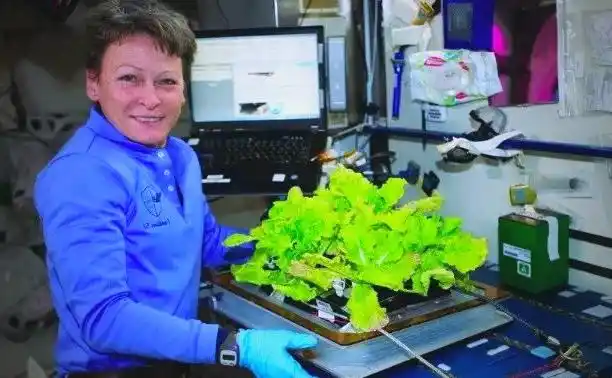
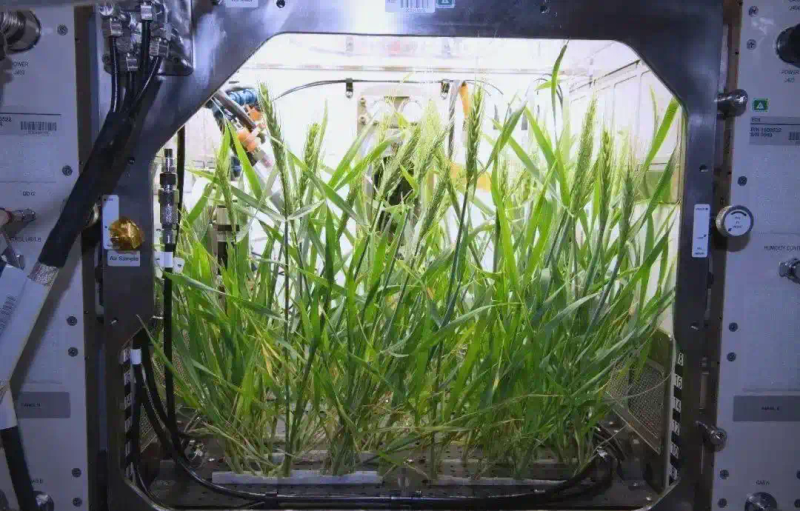
In addition to the cultivation of chili, scientists experimented in space with other plants, such as raw vegetables and wheat, in the vast space of scientific and technological innovation. These experiments not only demonstrate the diversity of space agriculture, but also highlight the innovations and breakthroughs of human technology in space growing. Through these experiments, humankind has made significant strides towards achieving self-sufficiency in space。
The miracle of space breeding
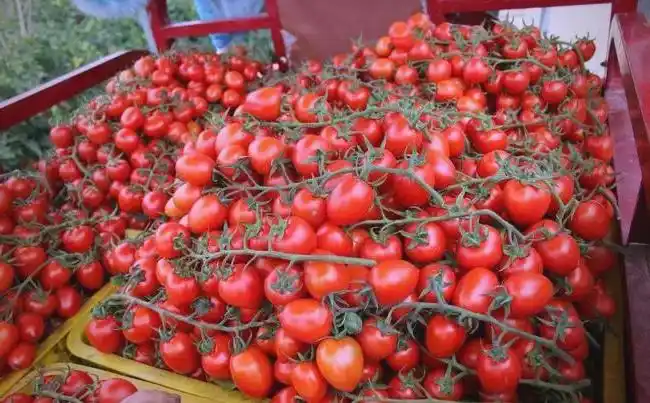
There are many reasons behind humanity's passion for space food. Although the food choices of astronauts in space are already quite rich, the development of space agriculture is not only about the availability of food, but also about the multiple missions of exploring life sciences and advancing technological progress. This unique form of cultivation has given new life and vitality to vegetables such as cherry tomatoes in the space environment, bringing more options and surprises to our table。
Future prospects for space agriculture
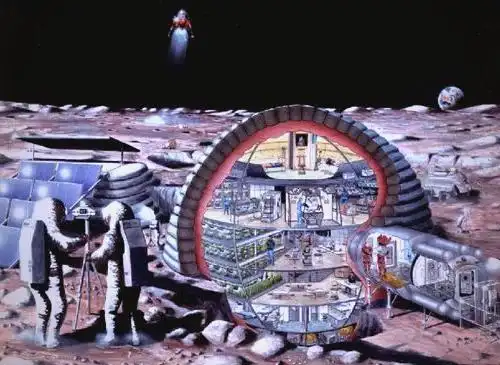
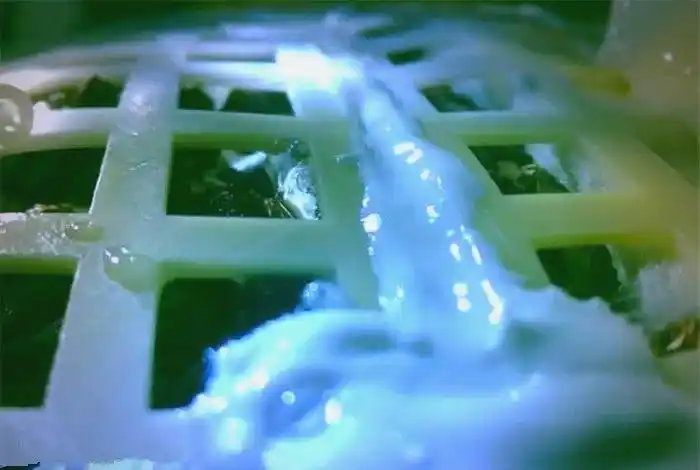
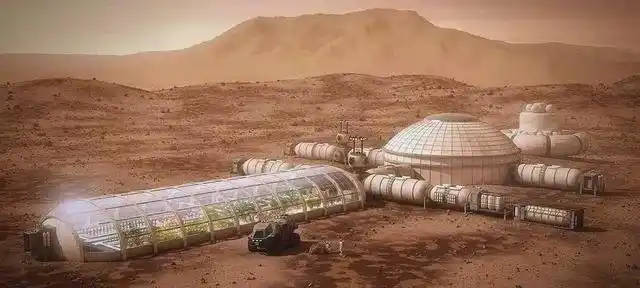
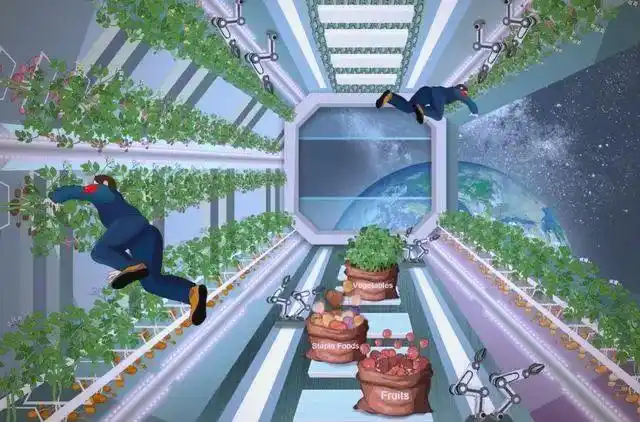
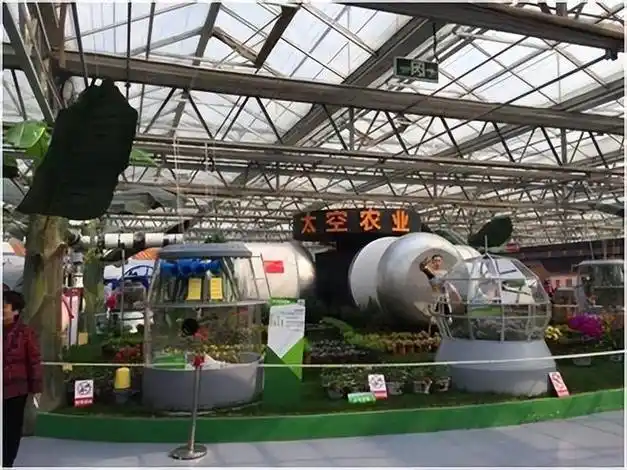
Looking ahead, space farms may no longer be a distant dream. So how far are we from growing self-sufficiency in space, even meeting the food needs of migrants on planets like the moon and mars? The scientific team of the chinese academy of agricultural sciences has been working to realize the dream of space farms. In 2019, they tried to develop their first-month mini-farms, carrying seeds from cotton, oilseeds and potatoes to the back of the moon. It is encouraging to note that cotton seeds have been successfully sprouts on the moon, but, unfortunately, they have been strewn after only a few days, owing to the extreme temperature of the moon。
Despite the challenges, the researchers at the agricultural institute did not give up. They are currently carefully screening crops suitable for space cultivation from hundreds of plants. Among them, potatoes emerge with their unique advantages and become the preferred choice for researchers. Not only does the crop have a short growth cycle — it takes only three months to produce chips — but it is foodable and nutritious, regardless of size, and certainly an ideal space-planting crop。
Despite the advantages of potatoes, the presence of the toxic substance ronino in their fruits and leaves still limits the possibility of their being edible. Currently, scientists are working to produce potatoes that do not produce roninos through genetic editing techniques. Once that technology has been broken, it is hoped that the science fiction dream of space farms will be realized and that it will be possible to plant potatoes on the moon and even mars。