Potatoes can not only be fresh, but can also be processed into foods such as potatoes dry, potatoes powder and chips, but can also be used in industries such as brewing wine and sugar. In addition to the choice of good varieties, growing techniques and field management are equally critical to increasing the production of potatoes. How do you grow potatoes
1. Fertilisation
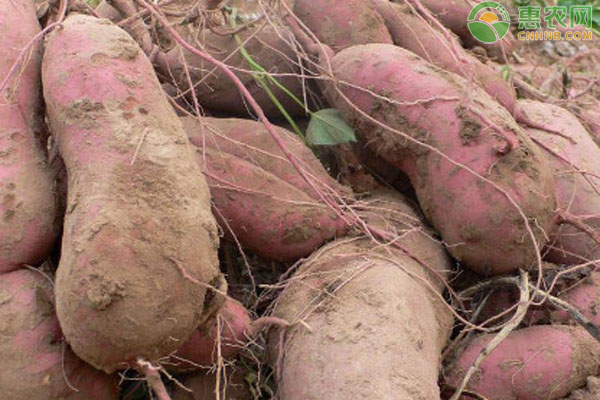
Potatoes are suitable for growing on sandy soil and on well-fed plots. The whole area is followed by seedlings, which facilitate the growth and drainage of the chips. Potato growth requires three main elements of nitrogen, phosphorus and potassium, with more nitrogen fat in the front and more potassium fat in the middle and later stages. When applying bottom fertilizers, 5,000 pounds of farm fat are used per acre, with a bag of compound fertilizers。
2. Cultivation
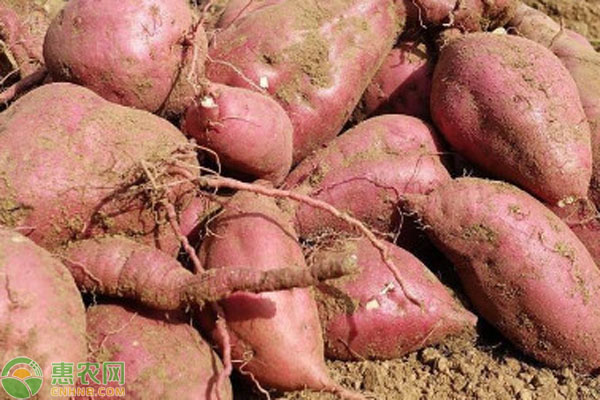
The cultivation of sweet potatoes in the spring should take place at temperatures above 15°c. The method of planting is flatting and tilting. The flat plant is applied to fertile and well-fed plots of soil, and the seedlings are flattened and partially exposed. Tiltation is applied to plots of aridity, moisture and fertilizers. Prior to planting, seedlings could be rooted for the prevention of underground pests, and solutions could be formulated using insecticides such as toxaventilating microscapsulations or vermin. When planting, the root is immersed for two or three minutes。
3. Fertilizer management
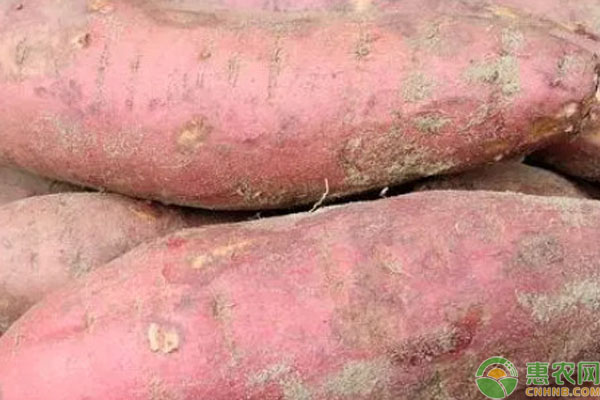
Shrimp period: 10 to 15 days after the seeding of the sweet potatoes, weeds are basically long, seedlings are slow and weeding is done, and seedage is checked and replanted in a timely manner. Cultivation is based on nutrition, with 3 to 5 pounds of urea per acre。
Roast stretch: the vine begins to stretch and the seal is about to enter the potato season. Nitrogen fertilizer should be controlled in order to avoid a strong plant, with 2 to 3 kg of urea per acre and 10 to 15 kg of potassium sulphate。
(c) long-term production of chips: the production of chips requires more potassium element in the long term, with 20 to 30 pounds of potassium sulphate applied per acre to promote the expansion of the chips and improve their yield and quality。
4. Control
Overweight fattening can lead to excessive growth of the leaves and affect the formation of chips. During growth, it can be controlled by lifting chickens, turning chickens, taking a heart or chemically controlled booms. Chemical control is more labour-efficient, using accelerant controlled agents such as fentanyl, condensant, polyecstasy and so on, and is not suitable for overdose. The first control took place during the cranium stretch, and the second time after 30 days. Once controlled, the nutrients can be concentrated in chips。
In conclusion, the potatoes are somewhat resistant to certain pests and require proper field management to prevent their occurrence. Potatoes are usually harvested in the autumn when temperatures begin to decline and soil begins to dry。
You may be interested in the content of the following recommendations, which are welcome。