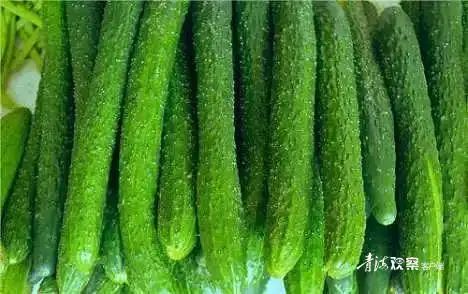
Cucumbers, pumpkins, melons, melons, etc. In a few days' time, we'll be ready to plant all kinds of melon vegetables, but unlike other crops, how about a seedling? What's the strength? In addition to being related to varieties, there is a strong relationship with planting times, nursery management, etc. So, when can i grow my melon vegetables? How do you manage the moustache to get a melon? Let's find out。
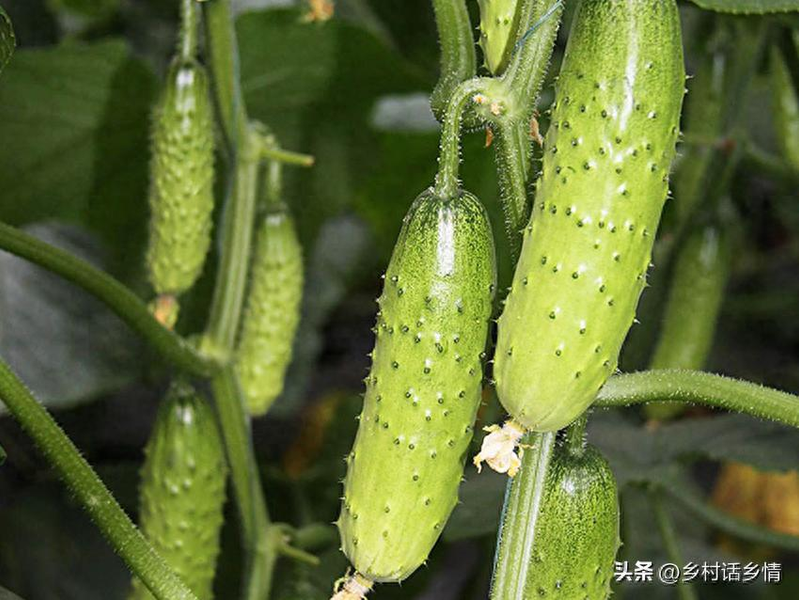
1. Controlling planting time
Vegetables of melons are warm crops that are very sensitive to temperature, especially seeds, and can easily lead to decay. In the spring, the minimum daytime temperature is not less than 20 degrees, whether it is nursery or direct. In the other case, seedlings and plantings can also lead to the direct planting of rotten seeds, especially in the open, if they are encountered with consecutive rainy days or temperatures, and must not be sowed until the planting season. The south is generally planted in march-april, the north-east in mid-april and the north-west in may. The temperature should not be too low for seedlings to come out。
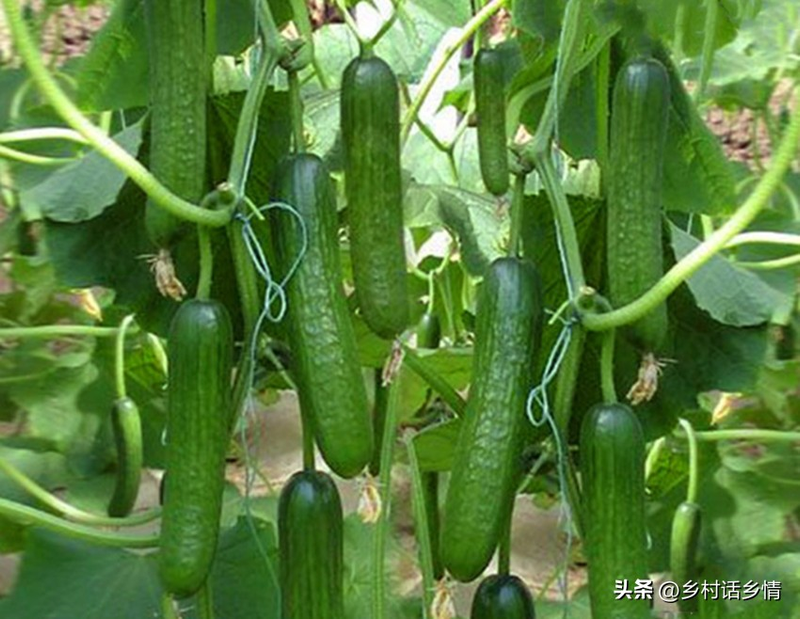
Two, sprouts and sowing
In spring, due to erratic weather conditions, seeds are easily decomposed in short periods of time when seeding occurs in the midst of cooling or continuous rainfall. Therefore, whether seedlings or direct seedlings are taken, it is preferable to seed them first, because they are not easily decomposition and fast. The seed method: first, the seed water is immersed for about six hours, then the seed is immersed in clean wet towels, gauze, etc., so that it is sprouts at temperatures of more than 20 degrees, then the seed is washed every morning and every night with water, and the towels, gauze, etc. Are always humid, usually fertilized for about three days, then seeded or planted directly。
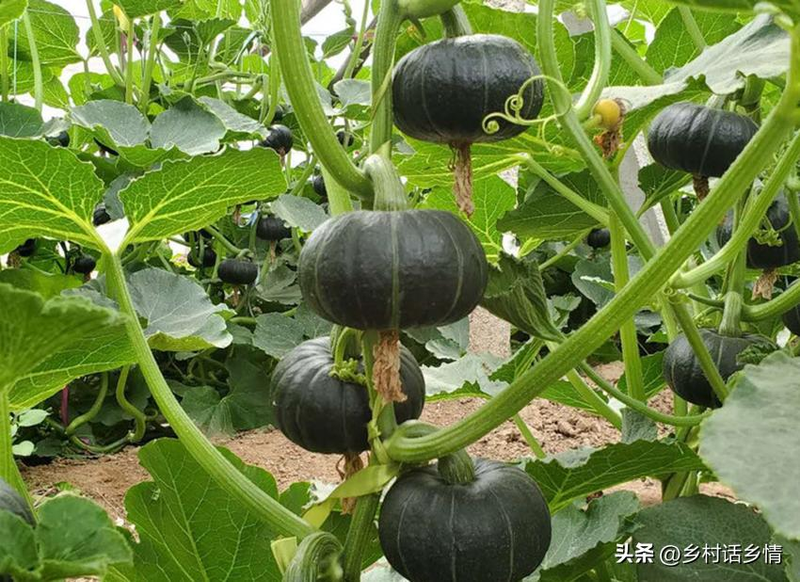
3. Shrimp watching for roots
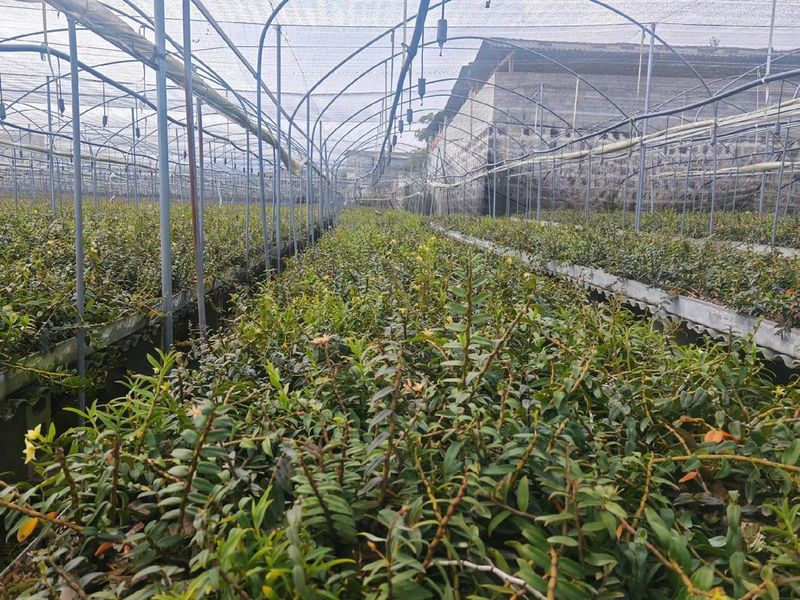
Whatever the guacamole, it's important to manage the sapling season. First, when seedlings grow to above two real leaves, care must be taken to promote roots and control. Because of the amount of guacamole at the end of the period, the nutrients depend on the roots, which fall if they do not promote them and even if they do not. The rooting factor is not to overwater during the sapling season, to water less, to water less when the soil is dry, and to dry up the soil, so that the roots can grow to the depths of the soil, as is the case for the so-called roots of the leaf. This has contributed to the development of the roots and control of the growing seedlings and has laid a solid foundation for the future flowering of the melon。
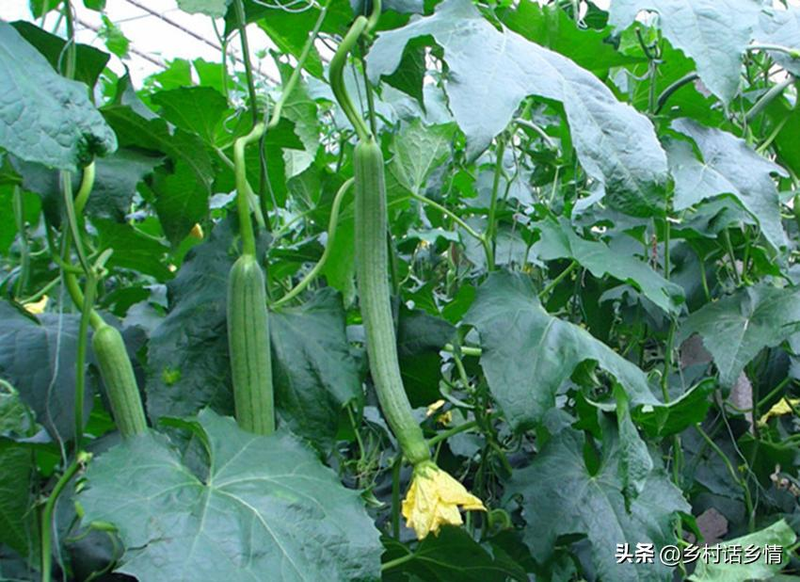
4. Fostering the division of buds
It is a good time for melon vegetables to grow and grow when they begin to split in the three leaves or so. The first is to ensure that the light is sufficient and to avoid the luminous fragmentation of the flower. Second, to increase the temperature differential, the temperature can be higher during the day, but lower at night. The nutrients needed for the third multiplication of bouquets and flowering can be used for the application of 5 grams of hydromerium + 8 grams of potassium phosphate, 10 pounds of spray to water, 7-10 days, 1 time, 2-3 consecutive times, which can be a good contribution to lumbering。
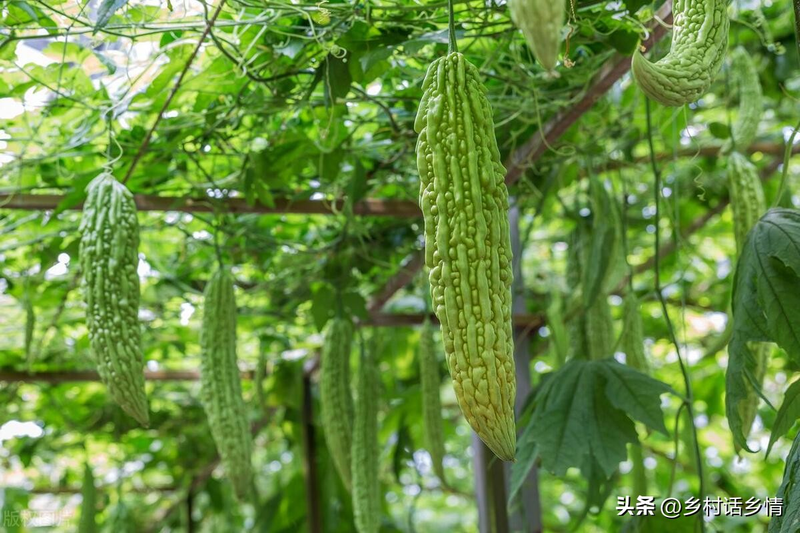
Five, don't lose weight
Cultivation of melon vegetables, in addition to foot fatting, has to be followed for long periods of time, but it cannot be pursued indiscriminately. It is usually applied in conditions of bottom fatting that the melons do not follow fat, because the guacamole can easily lead to fertilization before they sit down, and can then become unsustainable. So, fattening the melons, wait until the first melon sits on the guacamole, and the fertilizer can choose organic or balanced。
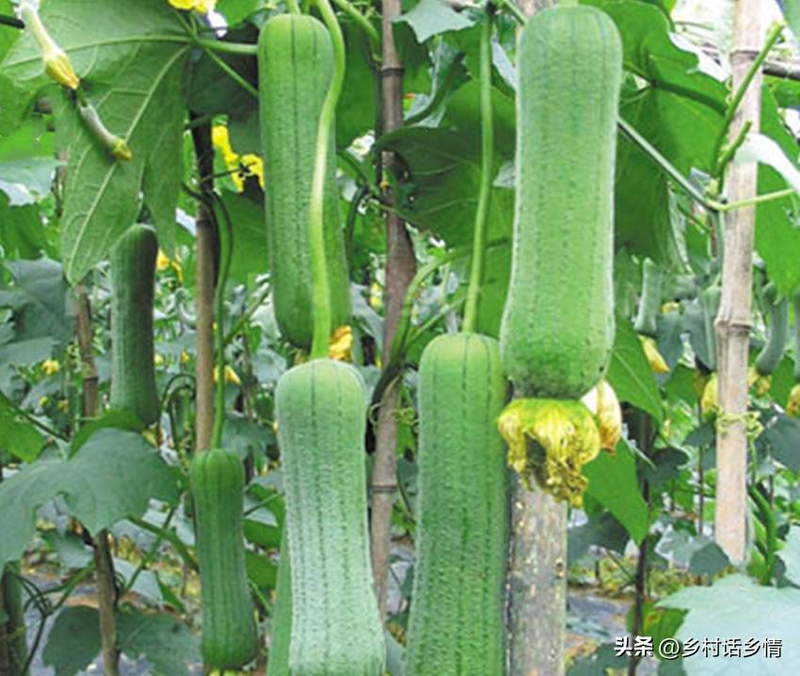
In addition to the points above, the planting of melon vegetables requires the preparation of a whole branch over a long period of time, with different methods and different methods, which are difficult to explain in terms of text and will be explained by specialized videos. If there is no understanding of the above, please leave a message in the comment area。