It starts with the old saying, "five years of apricot," and it looks simple to grow almond trees. The old king's apricot has been bending the branches year after year, and your house is like, "what's going on?" today we're going to talk about the "doorway" where the almond trees grow, with hands to teach you how to grow the sweetest almonds from seedling to harvest
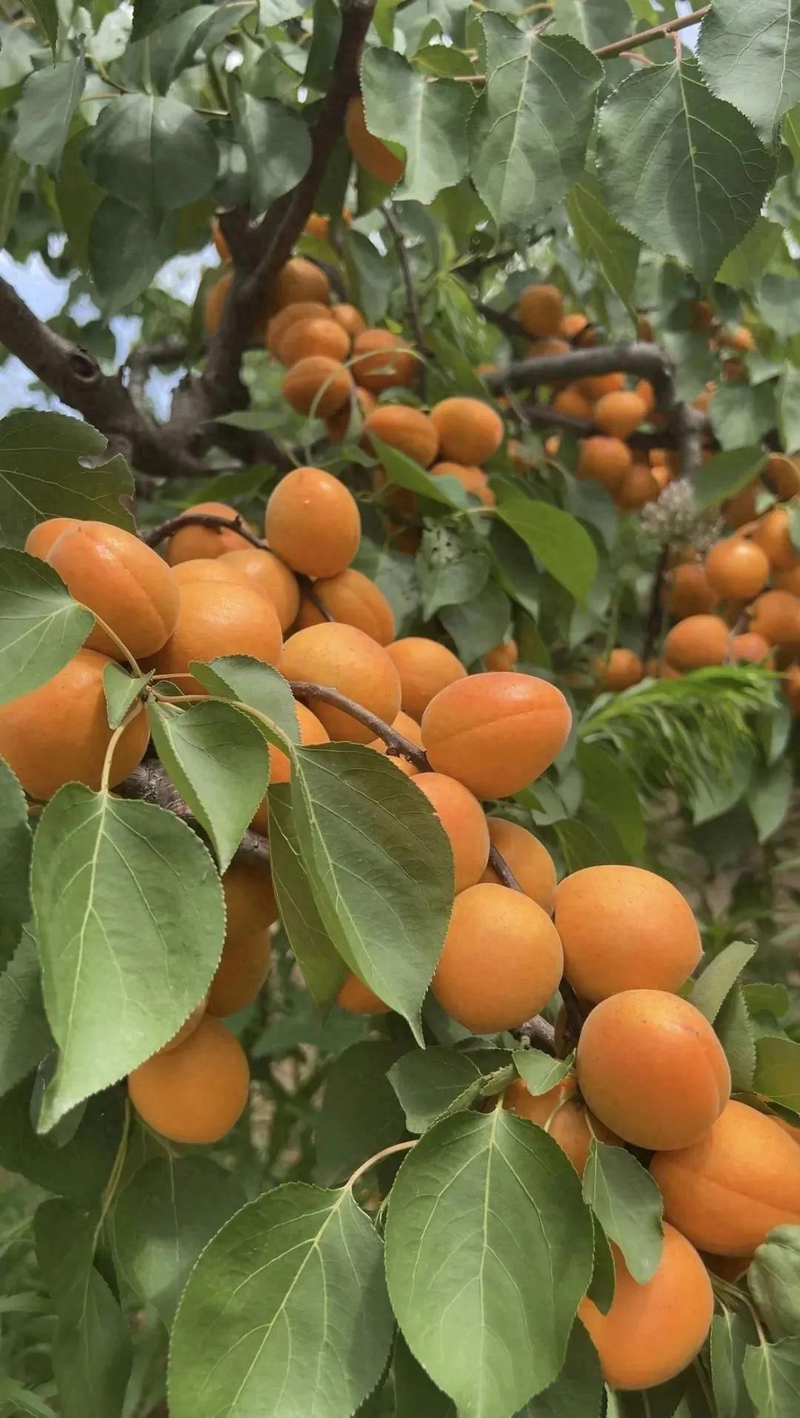
First, the selection of the right species is the foundation, and the technique is not the same
Scramble: the species are right, they can't be planted, they're five or six metres in line, and they're fat enough。
Almond species are like “identity cards”, the cold-resistant “gold sun” in the north, and the white apricot in the south is more secure. How deep are the pits dug? The old farmers have the know-how: the pit bottom mattress is soaked, refilled with decomposed farm fat (20-30 kg per pit), the seedlings are put in, the roots spread like umbrellas, the ground is laid down and water is poured over, and the rate of activity is doubled。
Critical reminder: never "heavy almonds" — people who grow peaches, plums, almonds on the same ground, rest for at least three years, otherwise the seedlings are weak and sick
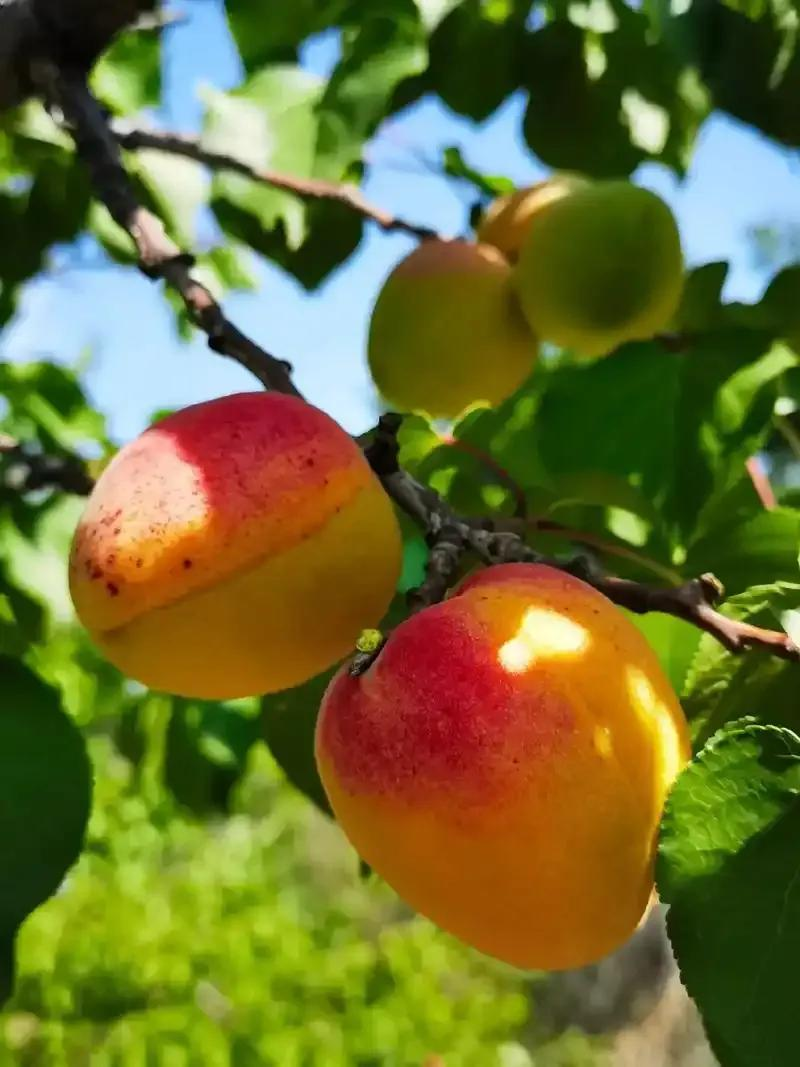
Ii. There's a doorway for trim and ventilation is the key
By the way: the larvae promotes the branches, the old trees cut the branches, the happy trees are good, the fruits are sweet as honey。
The apricot is not a "shaving head"! The larvae (preliminary three years) focuses on the "triple branch happy" form: the backbone is 60-70 cm dry, the main branch is 45-60 degrees, like an extended umbrella skeleton. The mature tree “controls the fruit” — the spring erases the sprouts, cuts the chicken claws in the chamber in the summer, and keeps the 20-30 cm branches. Remember, the internal ventilator is so bad, the branches cross like "smuggling" and cut
Monochrome: have you seen anyone cut the almond tree into a broom? It's called "squeeze." overcuts and cuts. Healing after trimmed wounds is done, and fluid-proofing is used。
Iii. Fertilizing water is science
Passive: organic fertilisation in the autumn, potassium phosphate in the spring, nitrogen aid in the expansion of the nuts, and after-harvest gas。
The almond tree is "eating," but it's bad for the wrong fat! Buried in late autumn with bottom fat (2000 pounds/acre of decomposed manure), phosphate fat (e. G. Grass-wood ash) before flowering in the spring, nitrous fat (most fragrance of soybean water) during fruit expansion, and trace elements after fruit extraction (breathproof leaves). The water is much better - the flower season is less water-proof, the lumber period is wet, the first 15 days of the harvest are controlled, the sweetness is soaring
A guide to the pit: never use raw shit, and burn the roots and insects. The village's old zhangtu has spread fertilizer and leaves are yellow and almonds are acidic
Iv. Prevention of disease and insects is early
Slippery: march gel, june bag early, pest control observation, and harvest。
The almonds are the two main “natural enemies”: leprechauny and edible. In march, 1 per cent of the bordeaux liquid fluid was sprayed, and in june, octophos-methyl (1,000 times liquid) eggs were shot in front of the bag. The pack is timed — double paper bags with brown, inner white, sunproof and insect-proof (early june). Don't worry, you'll have to tear the outer bag seven days before you take the inside
Blood and tear: last year, the village head aunt li was in trouble, and the almonds were eaten by bugs and sold at half the price
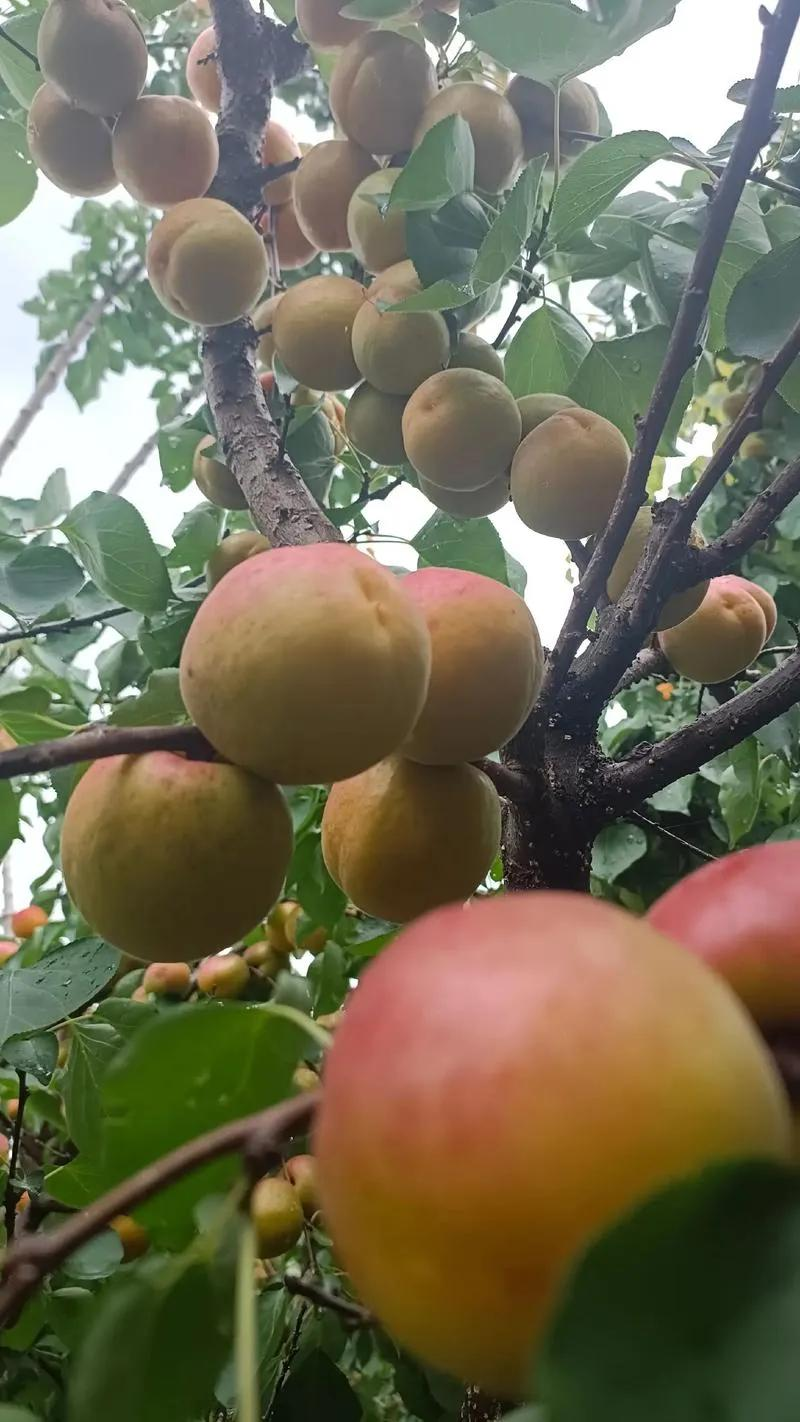
V. Responsibility of responsibility long
Passivity: eight ripe picks, cool lay, cold and wet, and half a month。
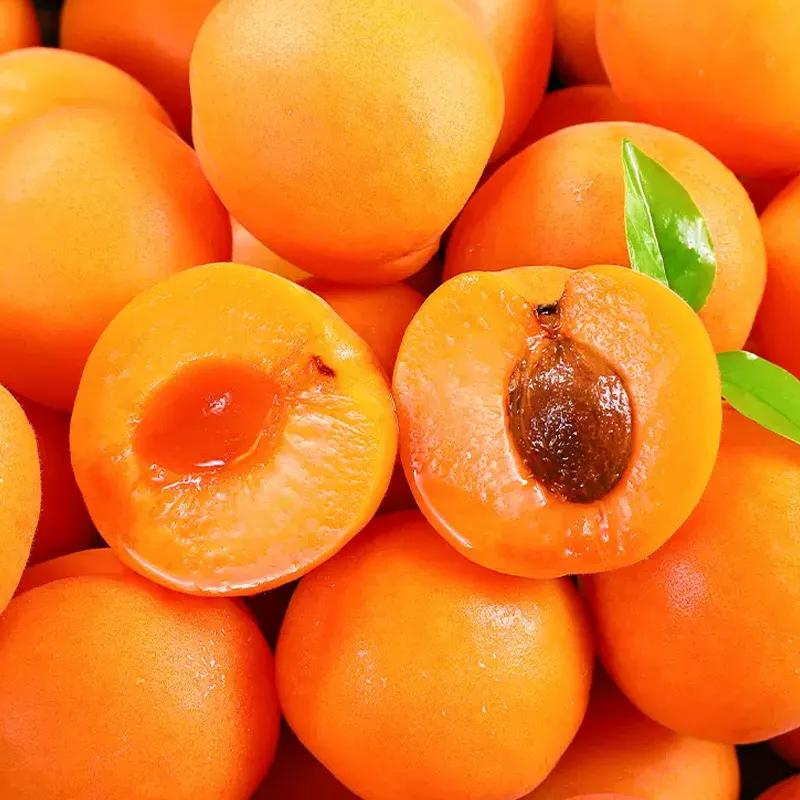
The almonds are ripe for decay and the sweetest when the yellow belt is red! Cutting off the handle with scissors, softly setting the bamboo mats, not in the young man's baskets of “scrambling” - the apricots that touch are rotten for two days! Storage temperatures of 0-4°c (just cooling room for refrigerators) are 85-90% wet, poached in a fresh bag for six months。
Old farm wisdom: don't waste the apricot! Clean up and dry up。
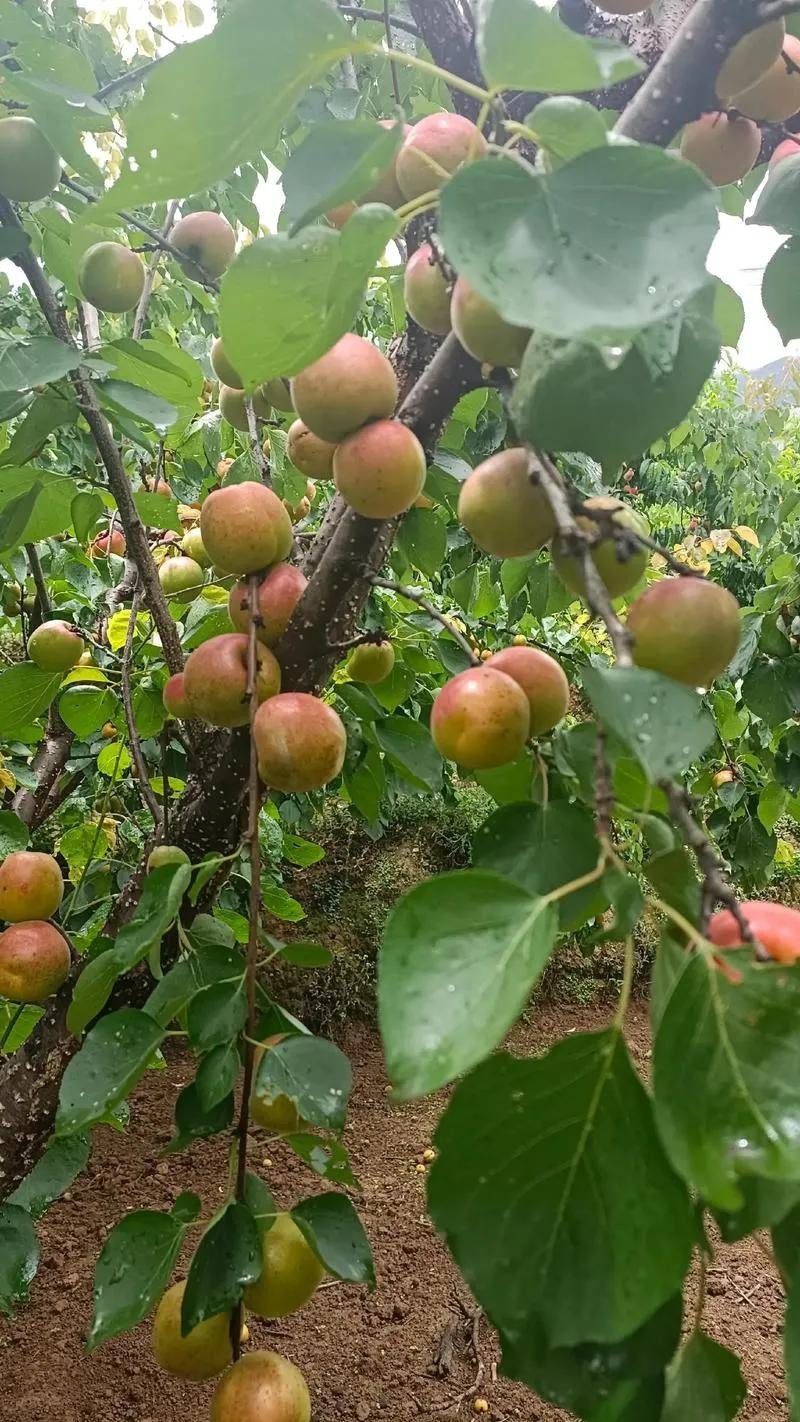
The final knock on the apricot tree is not a “fresh”, and the key is in detail: varieties are adapted to local conditions, ventilated light, fertilizing science mixes, and preventing disease from catching up. Remember, the almond tree is like a child -- you fight with your heart. Next year, the tree is full of gold and yellow almonds, so don't forget to give the folks a score