Plantation
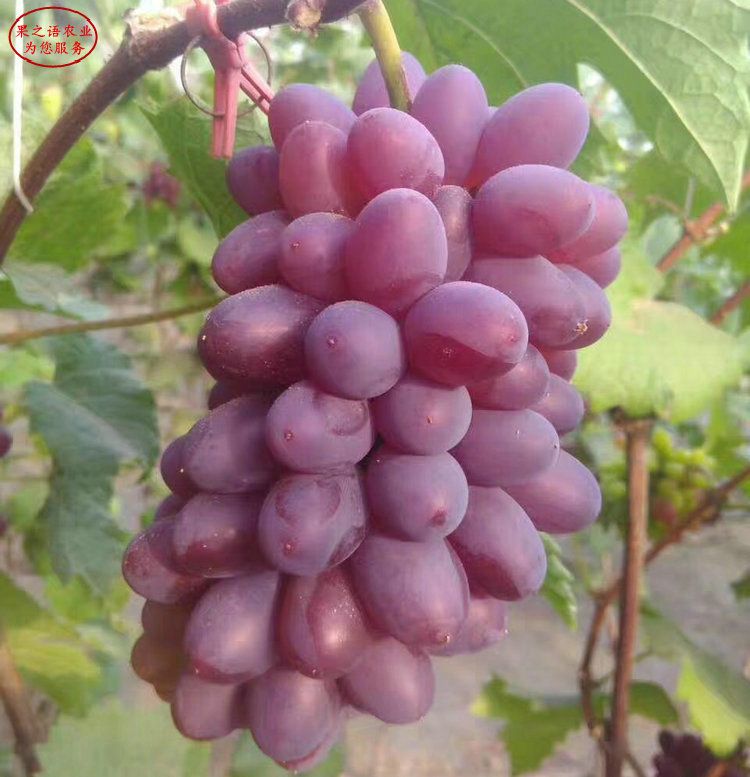
Most of the north rises to above 5°c before or during spring when the soil is frozen after autumn, and the south rises from fall to february of the following year. In view of the strength of red milk, and in order to facilitate the production of high-quality fruit, it is recommended that fences be used both in the north and the south. A ditch is dug in the middle of the gutter, 50-70 centimetres wide and 35-80 centimetres deep, with weeds and corrodable straw at the bottom of the ditch, according to the established direction and distance. Fertilizer is applied into the ditch, 4-5 cubic metres per acre of pigry fat, or 3-4 cubic metres of goat fat, or 100 kg of phosphorus fat from 2 cubics of rotting chicken dung, mixed with soil, topsoil is filled in the lower and middle and the lower ground is covered by the surface. Range: 0. 7 m x 3 m in the north and 330 units per acre; 0. 7 m x 3 m in the south and 330 units per acre. Then immediately watered the earth。
Post-plant management
The sprouts are removed in time, the sprouts are chosen to be sprouts, the extra sprouts are removed and the poles are drawn in time to keep the seed straight. For a small seedling to be born in one year, water should be utilised and winter shears should be careful that the cut should not be less than 1 cm in diameter from the ground, and the second year's output of a branch greater than 50 cm below one metre。
Two years old
1: pour the sprouts before they come out and combine them with fertilization。
2: the principle is to be strong and weak。
3: sets are suitable for maintaining 10-15 stepts per square metre or 25-30 cm space for new stubs as long as 5-10 cm。
4: watering, combined with fertilizing 7-10 days before the flower, beginning with fertilizing 10-15 days after the flower, with a small water every 10 days before the fruit is produced and grape coloured。
5: new chorus, seven days before, leaves 10 leaves on the line and 12 leaves on the branch。
6: scratch processing, with one or two stubbles at the top of the result branch, with the rest wiped out, with two or three blades of graft on the top stubble, and one leaf for repeat graft。
7: vegetable packs, which begin to spray microbicides 7-10 days after flowering, ready to pack the next day, completed within 20 days after flowering。
8: winter trimmed, usually from the fall of leaves until the spring of the following year, with the result not less than 0. 8 cm thick at the time of winter cut, which should be 3 - 5 cm below the bud. Short- or short- or short- or long- or long- or short- or long- or short- or long- or short- or short- or short- or short- or medium- or short- or medium- or short- or medium- or short- or medium- or medium- or short- or short- or medium- or short- or medium- or medium- or short- or medium- or medium- or short- or medium- or medium- or medium- or medium- or short- or medium- or medium- or short- or medium- or medium- or short- or medium- or medium- or medium- or medium- or long- or medium- or medium- or medium- or medium- or medium- or medium- or medium- or short- or medium- or medium- or medium- or medium- or long- or medium- or medium- or medium- or medium- or medium- or medium- or medium- or medium- or medium- or medium- or medium- or medium- or medium- or medium- or medium- or medium- or medium- or medium- or medium- or medium- or medium- or medium- or short or medium- or medium- or medium-。
9: buried against cold, usually 10-15 days after the winter cut, before the soil is frozen. In the yangtze basin or the gangnam area, thiomers of 1 to 3 degrees of thioperate are sprayed by tree bodies after winter trimmed。