When do you grow? The cucumbers next door are on board. Our seeds are still in the drawer? It's the same thing today"the gardener's calendar'at 24-steal, make sure you have four seasons

Spring and rain (february)
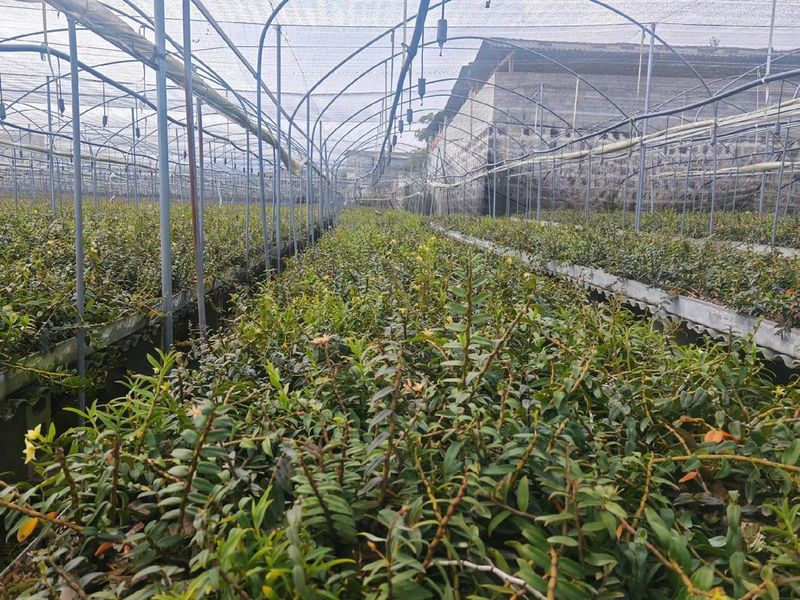
Most of the north is cold at this time, like the north-east and the north-west, where the thaw is thick and most vegetables are uncultivated. However, as soon as the rains pass and the temperature rises slightly, the mountains of shandong, henan, anhui and hebei are able to grow saplings in greenhouses。
The south is different, the weather is warmer and wet in january-february, and there are plenty of vegetables that can be grown. The cabbage is green, the pickles are green, the pickles, the pumpkins, the melons are ready to smoke the vines, the celery is high, the cabbage is tight and the bean horns are growing, but the south is so big that the climate is very different across the country, and it depends on the local reality。
Stunny and spring break (march)
Early in march, there was a clear warming of the weather, with the exception of cold areas in the north-east and north-west, most of the north being able to grow vegetables. Peas can be grown, mustard, spring spinach, lettuce can be cold, at a time when potatoes can go down, and a piece of green can be seen in the fragrance nurseries. Moreover, tomatoes, peppers, eggplants and cucumbers, which are a little warmer and cucumbers, are now suitable for indoor seedlings, which are cultivated well in advance and can be planted in the field when the weather is warmer。
In the south, in march, the temperature was right, and most vegetables could be grown, either in leaves or in melons, to thrive in a warm climate。
Ching ming and valley rain (april)
"behavior before and after the rain, grow the beans", the old saying is true. In april, small vegetables in the northern region could be grown in large quantities with green fields. Vegetables such as beans and bean horns, as well as a variety of melon vegetables, can be grown in succession, vines begin to climb and flowers bloom. For cold areas such as the north-east and north-west, cold-resistant vegetables such as potatoes, peas, lettuce can be grown after the temperature stabilizes in late april。
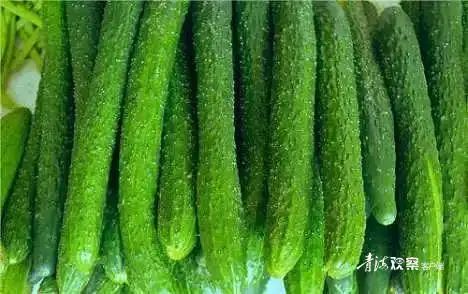
In april, cucumber vines were coarse, cucumber beans were blooming, tomatoes, acupunctures, peppers were glamorous, green cucumbers were green, and there was a lively picture。
Summer and kamu (may)
The month of may was marked by an increase in the heat, with most areas of the north suitable for the cultivation and transfer of tomatoes, peppers and eggplants, which thrived in warm weather, and were also able to grow a variety of melons, bean horns, ginger, etc., in a busy field。
In may, vegetables such as beans, cucumbers, silk melons, bitter melons, eggplants, peppers, etc. Were flourishing。
Man and summer to june
In the north, soybeans, cucumbers, beans, cucumbers, etc. Can be grown, and soybeans are arranged for this season. At that time, garlic and thorium had entered the extraction phase, and had been harvested, and there had been plenty of space to prepare for next season's vegetable planting。
In the south, in june, a variety of melons, gravy, cabbage, etc. Were grown, and vegetables were interwoven in the fields, resulting in a beautiful painting of the field。
Summer and summer (july)
In july, at the peak of the year, the north was able to grow vegetables such as carrots, early cabbage, cabbage, sweetbeans, autumn cucumbers and carrots, which were very hot and could grow well in high temperatures. In the north-east region, carrots and carrots were planted in early july, and cabbage was grown from mid- to late, with well-planned planting。
In the south in july, despite the heat of the weather, some heat-resistant vegetables, such as cabbage, melons, etc., could be grown and thrived at high temperatures。
Autumn and summer (august)
In august, the weather began to cool, and large areas of the north were suitable for growing cabbage, carrots, mustards, barley, etc. The cabbage was slowly curling up, the carrots began to swell, the mustard blades spread and the wheat was green and green。
Autumn cucumbers, autumn bean horns, vegetable flowers, kale and carrots were planted in the south in august and the field was a busy scene。
White and autumn (september)
In september, there was an increase in the number of vegetables grown in the north, with spinach, oilseeds, spices, onions, etc., and spinach leaves, oilseeds, fragrance and onions, all giving hope for harvest. In the north-east and north-west regions, onions have begun to grow and thrive in the autumn sun。
In september, the south entered the country, where vegetables were grown in great abundance, with cabbage, carrots, mustards, pickles, spices, etc., and various vegetable colours on the field, which constituted a very productive picture。
Temperature and frostfall (october)
In october, much of the north began planting winter vegetables, such as garlic sprouts in the ground, spinach seedlings coming out of the ground, stabbing up and greening, and this is also the season of harvests of ground melons, ginger, taro, etc., during which the farmers were busy harvesting and smiling。
In the south, temperatures remained high during the month of october, with most leafy vegetables, such as cassavas, spinachs, oilseeds and artemisinin being cultivated, and the field was still green。
Winter and snow (november)
In november, the north gradually entered the winter and began to harvest cabbage, carrots, etc., which are the main forces of the northerners for the winter, and the kitchens of the families are packed with cabbage and carrots to prepare for the cold winter. The south entered the month of november, with a large temperature difference between day and night, but it is still possible to grow vegetables, cassavas, vegetables, spinachs, etc., which are much more gruesome in the context of high temperatures。
Snow and winter to december
In december, with the exception of the sheds and greenhouses in the north, the open ground had entered the frozen season, when no vegetables could be grown, and the farmers were looking at them in the greenhouses, which were strong and strong。
In the south, in december, some early spring cucumbers, cucumbers, beans, etc. Can be planted, but in order to prevent the frost, farmers will take some cold-proof measures in the fields to ensure that the vegetables survive the winter safely。
Cold and cold, january
The north entered the coldest winter of the year, with water dripping into ice and land freezing。
In the south, potatoes, cuisine, onions, etc. Can be grown in january. Pumpkin, cucumber, cabbage, tomatoes, etc. Can be grown in greenhouses to prepare for planting in the coming year。
The above schedule of 24-hour aerobics is just a general reference, and the climate and temperature vary widely, depending on the local situation. If you have any good experiences or doubts in growing food, please leave a message in the comment area and share it with you
Next time, you'll be taught to use grasswood gravy and red sugar as a home-made sprouts, so that the seeds will be white for three days