The newbies grow the dishes, they do it directly
For the first time, many people grow vegetables without seedlings, rotten roots and yellow leaves. This paper does not refer to complex theories, but rather to techniques that can be operated directly, and newers can grow live vegetables by following a step。
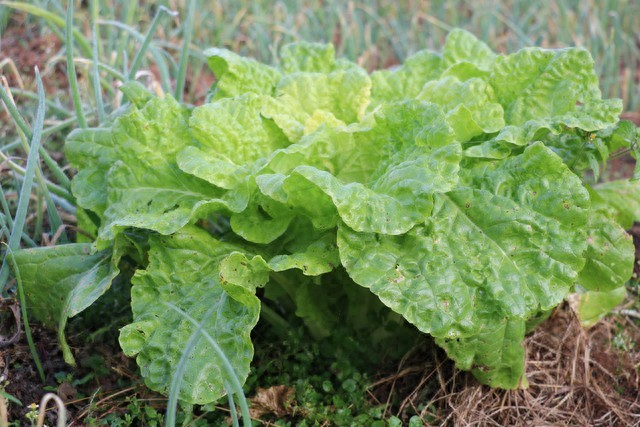
New hands grow vegetables, and the first step is to select the right varieties and seedlings. Vegetables suitable for beginners include cabbage, lettuce, oatmeal, cuisine, cherry carrots and onions. These vegetables have short growth cycles, have low environmental requirements and are less difficult to manage. Seeds are selected to select new seeds for the year, to see the date of production on the packaging and not to buy expired seeds. The choice of seedlings is full of leaves, with well-developed roots, with yellow leaves and black roots. Purchase of seeds and seedlings, choice of regular farm shops or online regular shops, and non-purchase of unmarked bulk seeds and poor seedlings。
The second step is the preparation of containers and soils. Packagings may be selected for plastic flower basins, foam boxes, vegetable basins, and the bottom of the packagings must have drained water holes, and containers without drainage holes cannot be used to plant vegetables. The size of the packaging is determined by the amount planted, the selection of containers with a depth of 15 cm or more for leaves and the selection of containers with a depth of 20 cm or more for carrots. The soil is ploughed with a scale of 3:1 and mixed evenly. Prior to the loading of the soil, a piece of debris or pottery, 2 cm thick, was laid at the bottom of the container, which prevented the soil from blocking the drainage hole. When the soil is loaded, the soil remains 3 cm from the port of the container and is not filled。
The third step is seeding and planting. When planted with seeds, the soil is pumped into the soil and then sows after the water has infiltrated. Vegetable seeds are spread over the soil surface, covering 0. 5 centimetres of fine soil. The radish seed digs a hole at a distance of five centimetres, each with two seeds covering one centimetre of fine soil. When seedlings are used for planting, they are first dug in the soil, which corresponds to the size of the seedlings, are placed in the pit, refilled and pressured, and the planting density is set at 10 cm in length and 8 cm in length. Once the planting has been completed, the root water is poured once, until the bottom of the container is drained。

The fourth step is day-to-day management, which determines whether vegetables can grow properly. The application of the dry wetting principle is followed by the insertion of a finger into the soil by two centimetres, with the soil drying up, so that the water is edible and not half-watered. The water is selected at 8 a. M. Or 5 p. M., and not at noon. The planting container is placed on a balcony or courtyard with sufficient light to ensure that the light is more than four hours a day and that insufficient light leads to vegetable growing. Fertilizers are applied in two stages, with three leaves growing in the seedlings and a diluted nitrogen fertilizer. Vegetables grow in the medium term with a combination of fertilizers applied once, with a frequency of 15 days and timely water after fertilization. In case of pests, manual capture is used to remove the insects, and eggs on the backs are washed with fresh water and high concentrations of pesticides are not used at random。

Vegetables are harvested in time, leaves begin to be picked from the outer leaves, and radish roots are removed to the appropriate size. Newly grown vegetables can be harvested without the pursuit of complex varieties and high-end management, which regulates the selection, preparation, planting and day-to-day management of vegetables. There are no hard-to-work steps throughout the process, and first-time culinaries are trained from living varieties such as raw vegetables and onions, and then experiment with other varieties. The method used in this paper avoids most planting errors, saves time and costs, and produces edible vegetables at home