The hot spring cold is a golden season, and the selection of varieties is more important than the effort. In late february and march, the cold and cold of the spring, the temperature fluctuations, and many new growers are rushing to sow hot vegetables such as tomatoes and cucumbers as the weather warms, resulting in a “crawling cold” that slows down and leaves dead and wastes the enthusiasm to grow。
The core secret of early spring vegetables is that “hot food is delayed and cold food is ahead”. The choice of the right vegetable species, without complex management, would bring green harvests with seeds。
Catch the golden season of early spring. Cold-resistant vegetables are the way
The climate at the end of february and the beginning of march was characterized by longer daylight periods, a gradual recovery in temperature, with large variations, and a slow increase in temperature. At this time, although the weather has begun to warm, the temperature is still unstable, with “spreading cold” often occurring。
During this period, the greatest area of error for new hands and under-experienced growers was the blind early sowing of hot vegetables. In the event of a chilling spring, vegetables may be damaged by freezing or even die。
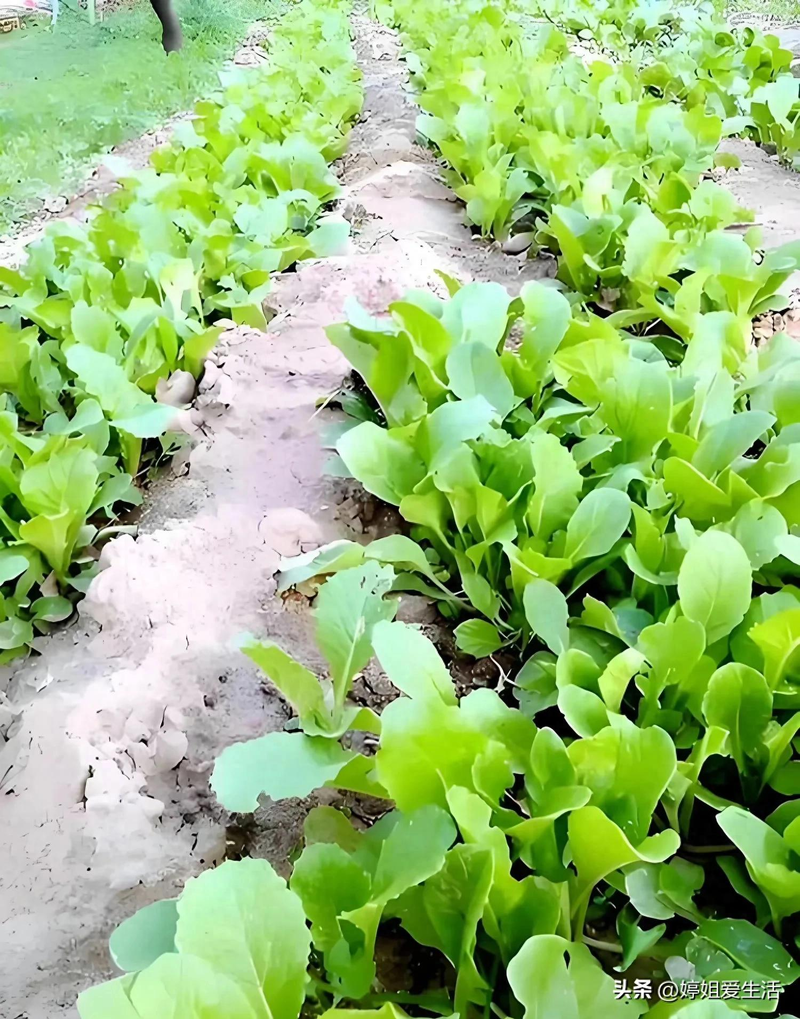
In response to this climatic characteristic, the central focus of early spring vegetable cultivation management should be “growth promotion, winterization and disease prevention”. Pre-management focused on “temperature, cold”, medium-term “root, seedling”, post-temperate “temperature fertilizer coordination” and gradual transition to normal management
Status: 1。
Cold-resistant vegetables have a strong ability to adapt at low temperatures, and they can grow at lower temperatures and even endure mild frost. These vegetables grow rapidly in cold climates, with relatively few pests and pests and simple management。
The key to successful early spring vegetables is the choice of vegetable varieties suitable for low-temperature growth, rather than the blind pursuit of the planting season。
Five cold-resistant vegetables, 30 days' worth of seed
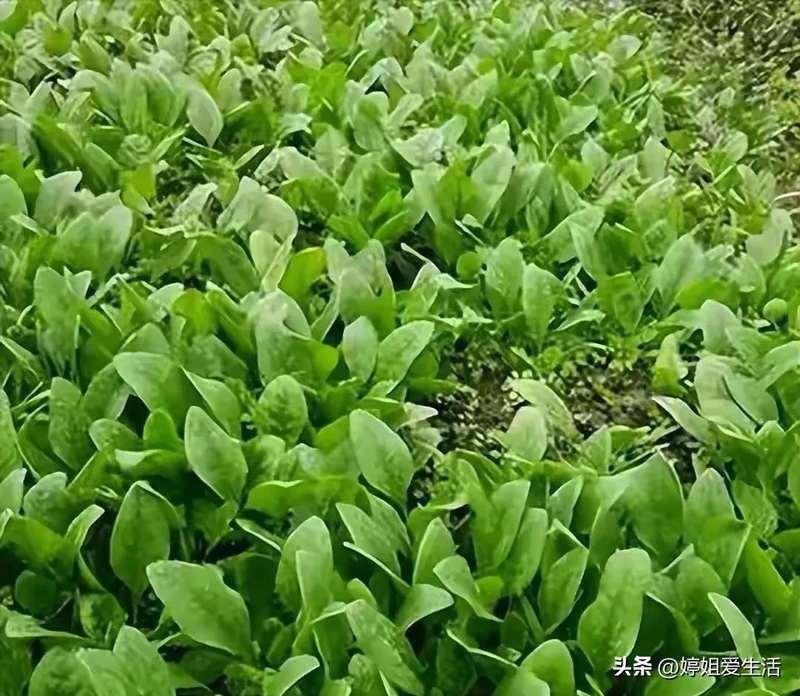
Spinach: cold king, 35 days for harvest
Spinach is a cold-resistant vegetable of the early springs and is known as the "holding king". It can grow normally in an environment of less than 5°c, with seeds growing at 4°c。
When planting spinach, seeds can be immersed for four hours before planting, approximately 1 centimetre of the ground, and seeded about a week after water is poured. Spinachers need not be watered frequently in the long term, and soil moisture is sufficient。
When spinach grows to about 20 centimetres, it is able to suffocate the leaves and keep the heart to keep it growing, so that it can harvest one by one. The spinach is rich in food fibres, and it's good to bake, make soup and mix。
Cherry radish: a live star in root broccoli, 25-day harvest
Cherry carrots are a cold-resistant and fast-growing root vegetables that take only 25-30 days to plant and harvest. It doesn't occupy space. It's for small vegetable gardens and balcony plants。
The cultivation of cherry carrots may be carried or sowed in a strip or soaked manner to keep the soil wet during their growth so that the carrots can grow round and round and red. Cherry carrots are so sweet, they can be eaten and mixed, and they are especially suitable for depuration。
It is important to note that cherry carrots are afraid of flooding and that 30 per cent of the river sand can be mixed into the soil during planting to prevent decay。
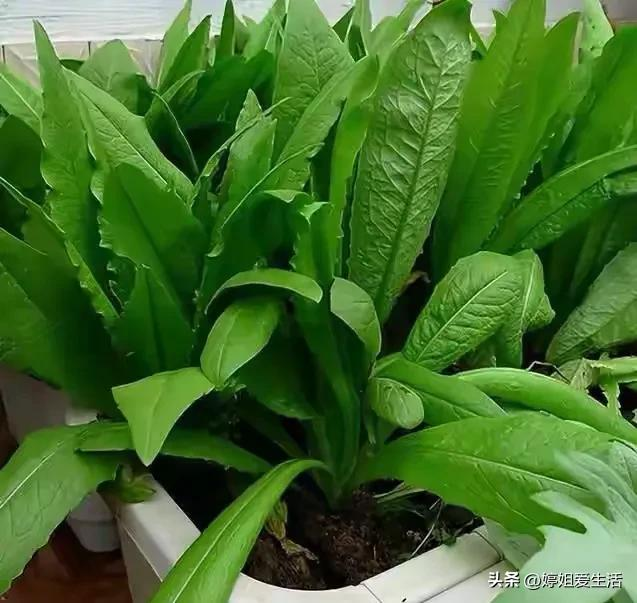
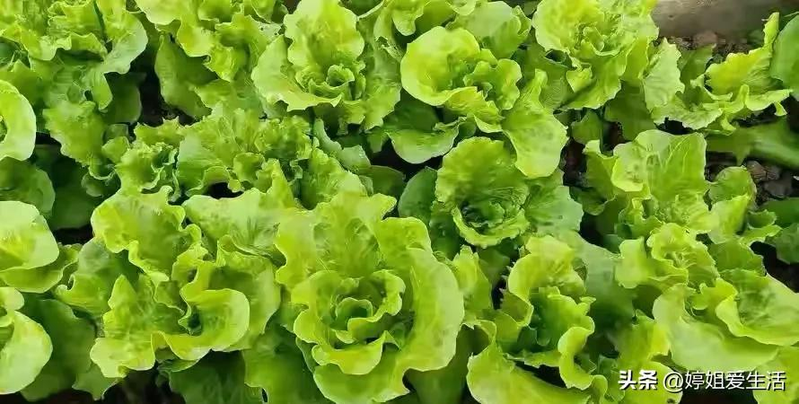
Lettuce: quick-leaf can be collected in more than 20 days
The lettuce is cold and hot, and the planting will be perfect at the end of february and early march and will be available for more than 20 days. It is suitable for pelvic plants, which are small in space and need to be wet and dry when planting。
It is green and healthy to have a soft taste, suitable for raw food, sauce or food, with few pests and little need for medicine. When growing raw vegetables, a “paper towel sprout” method can be used: seeds can be caught in wet kitchen paper and placed in a sealed bag on the router for 24 hours, with a growth rate of 95 per cent。
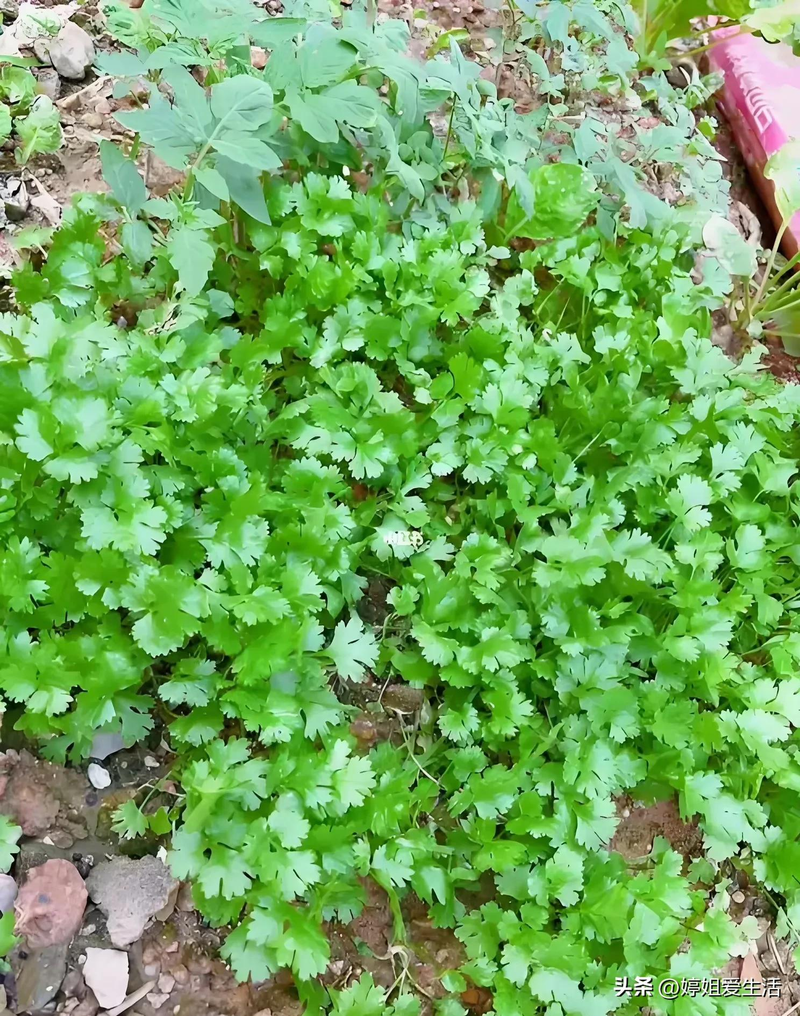
4. Quillery: food and food
The cuisine, which is cold and growing fast, is a cooking requirement. The fragrance needs to be ploughed in half before planting, replanted with a soil thickness of about 1 centimetre and seeded about 15 days after water was poured。
The cuisine is unscathed and can be grown on the balcony and in the garden, and can be eaten and picked without a one-time extraction to ensure that fresh cuisine is available over the long term. One of the good ways to break the slow-growing problem of cuisine is to load the seeds into a bottle, to shake the sponge-wash for five minutes, and to sow the crumbs, which can significantly increase the growth rate。
5. Cabbage: the gospel of the lazy, 28 days for harvest
The cabbage is cold and hot, short-lived, adaptable and productive, and can be harvested as soon as 25 days. The key techniques for growing cabbage are: planting in fine sand (scale 1:3) to ensure even distribution; and spraying seaweed fat once a week after seeding, which increases leaf fattening by 50 per cent。
Small cabbage leaves are small and vulnerable to pests, and attention needs to be paid to combating pests such as larvae, larvae and aphids. When 3-4 leafs are given, the application of fertilizer can begin, with the option of fast-activated nitrogen or farm fertilizer, and the pursuit of fat can be stopped 10 days before the harvest。
03 the three techniques of growing vegetables in the early spring are easily doubled
One of the keys to the success of early spring vegetables is the application of bottom fertilizers before planting. The use of decomposed organic fertilizers can ease the soil and provide a good basis for vegetable growth. In the field as a whole, 20-30 cm deep, tan for three to five days in order to kill the insect eggs of the disease in the soil, and then fertilize the whole floor。
Early spring temperatures are low, and prevention is an important management component. Attention can be given to weather forecasts, covering the membranes of vegetables before cooling, the sunnets or small arch sheds. Another effective method of combating cold is the application of leaf noodles, such as potassium phosphate + thacetate, to increase the resistance of vegetables to cold。
Scientific water fertilization management can significantly improve vegetable yields and quality. Early spring temperatures are low and should be less draught and water should be chosen at noon as it approaches the temperature, avoiding the use of cold water in the morning and evening. With regard to fertilisation, leaf-breeding is mainly based on nitrogen fattening, which promotes the growth of leaf blades, and the light application of nitrogen fatting during the shrunk season of fruit and phosphate fertilisation during flowering。
04. Avoid common faults and grow new ones with high productivity
One of the most common areas of error in growing early spring is the blind early broadcast of hot vegetables. Hot-resistant vegetables, such as tomatoes, eggplants and hollow cabbage, should wait until late march for seeding or planting, rather than planting in late february and early march。
Soil accumulation is another problem that needs to be avoided. In the spring, when the rains are high and the amount of water accumulated on the land tends to lead to rotting roots and sudden disease, it is important that drainage be done. The planting of drought-resistant vegetables, such as cherries, can be mixed into the soil and increase drainage。
Vegetables of fruit and vegetables are subject to nitrogen fertilizer. Excessive nitrogen fattens the plant with long leaves, and the phosphate fat should be replenished in time for flowering. In addition, vegetables are not suitable for co-production and are susceptible to pests and pests, and can be used for cabbage and pulse rotation。
05 limited space can also produce “vegetal freedom”
For balcony growers with limited space, compact vegetable varieties, such as lettuce, cherry carrots, onions, holy fruit, etc. Can be chosen. Space can be maximized using channels and multilayered plantations。
The balcony is required to produce a four- to six-hour-a-day light and to rotate the flower basin regularly so that the plant is even. Vegetables are more likely to grow with the choice of loosely ventilated soil。
Hydroponics is also an efficient way of growing the balcony. Vegetables such as pea seedlings and hollow cabbage are suitable for hydroponics, which can be managed easily by using sprouts. For example, the addition of 5 per cent of red sugar in aqueous pea seedlings could increase biomass by 40 per cent。
06 concluding remarks: early spring operations, sustained harvest
Growing cold-resistant vegetables in the early spring not only allows for the early harvest of fresh vegetables, but also allows growers to experience the pleasure of farming during the recovery season。
The selection of their own cold-resistant vegetable varieties takes advantage of the early spring season and, according to scientific methods, even newers can harvest their first fresh vegetables in about 30 days。
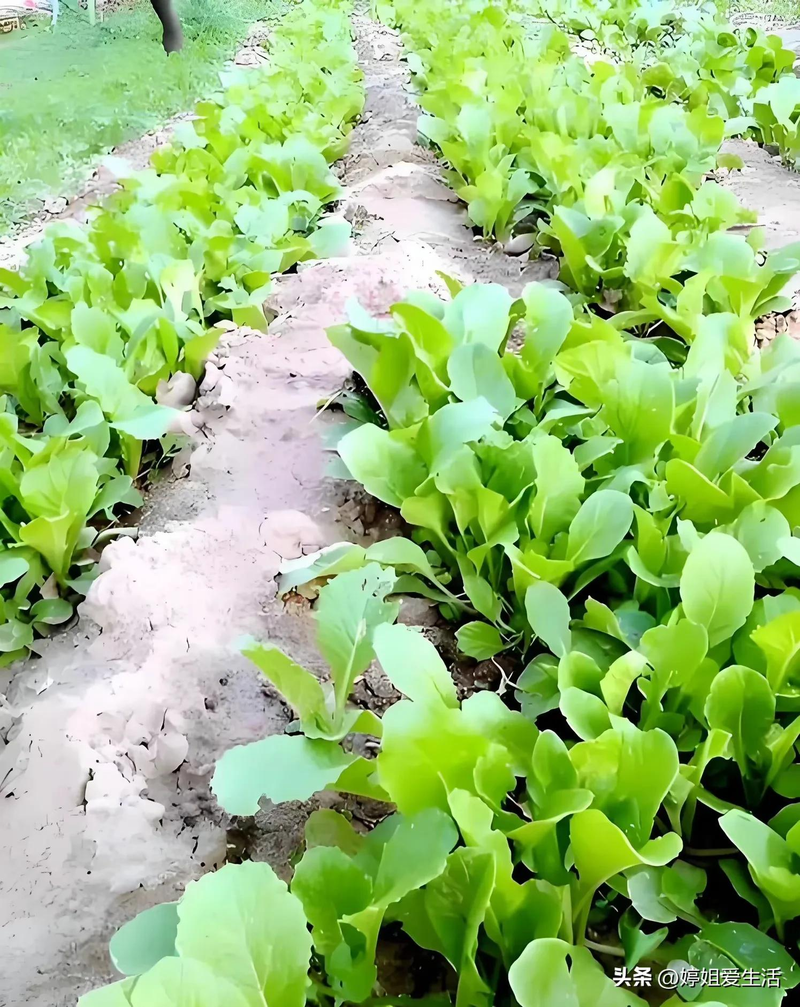
Growing vegetables is not only a good way to harvest vegetables, but also to exercise and relax. Without the need to pursue complex varieties, select cold-resistant and living vegetables and start planting from now on, vegetable freedom and access to fresh, non-hazardous, healthy food can be achieved in the near future。