Many people want to grow watermelon without knowing the specific course of operation, and grow it in poor and non-productive conditions. The complete methodology for watermelon cultivation shows that the operation is a practical step and can be completed on a process basis。
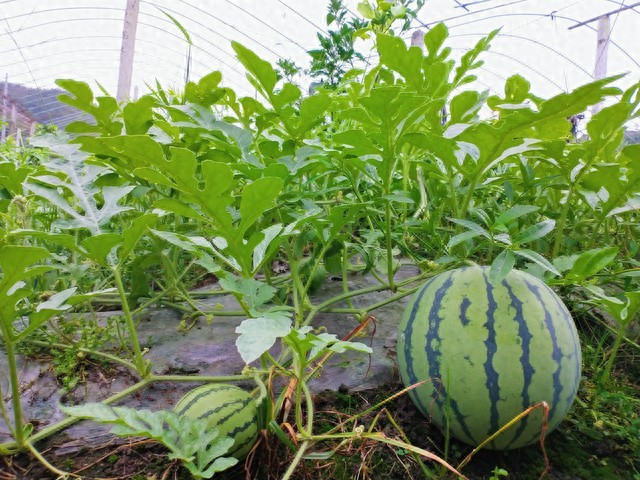
The first step in planting watermelon is the selection and treatment of seeds. The selection of seeds should be complete, full, non-destructive and non-stereotyped, and dry and mothy seeds should be eliminated. When selected, the seed is impregnated, and the seed is placed in a hot water of 55°c, which continues to mix for 15 minutes, and the water remains immersed for six hours after temperature has dropped. Upon completion of the immersion, seeds are extracted, slime the surface clean and wash twice with water. The seed was then sprung, packed with clean wet veils, placed in an environment of 28-30°c, washed with water once a day, and kept moist and waiting for the seed to be white. Seeds can be seeded when they reach 0. 5 cm in white。
The second step is nursery and planting. The seedlings are mixed with fields, decomposed organic fertilizers, fine sand at a ratio of 6:3:1 and then fed with a calibre of 8 cm. One seed of open white per nutrition spreads over one centimetre thick seeding soil, sowing water. The temperature of the nursery environment is maintained at 25-30°c during the day and at 18-20°c during the night. After the birth of two leafs, the seedlings are properly ventilated to reduce environmental humidity. The seedlings meet the criteria for planting when they grow to 3-4 leafs. The field is grown at a distance of 40 cm and 1. 8 m, the pit is dug, the trophic seedlings are placed in the pit, the soil is refilled and the root water is poured。
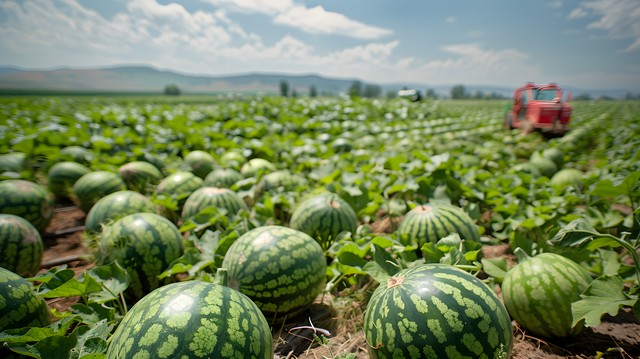
The third step is daily field management. The water is distributed in accordance with the dry and wet principle, and is grown before the chicken is reached, to control the water and prevent the growth of the seedlings. The chicken stretching period is served once, after the fruit sits until the bulging period, increases the frequency of the water being poured, maintains the soil wet and stops the water seven days before the harvest. Fertilisation was carried out three times, and nitrogen fertilization was followed during the chicken stretch, with 10 grams applied to each. Potassium fertiliser followed by fruit, 15 grams each. In the middle of the period, the inflation was followed up with potassium fat, 10 grams each. The whole branch is made of two whole branches, with the main and a strong chicken, the rest of which is removed. The chicken is constricted at 30 cm length, and the chicken is fixed to the ground to prevent the wind from blowing over. Open cultivation requires artificially assisted pollination at 6-9 a. M., the removal of male flowers, the removal of petals, the light rubling of flowers to the head of the female column and the completion of pollination。
The fourth step is sitting and inflation management. A single fruit is reserved for each of the two-and-three female guavas chosen for the main chicken, and the extra guacamole is removed in time. The period of expansion maintains soil moisture stability and does not dry and wet, avoiding watermelon fibrosis. In the case of dusty and aphids in the field, the corresponding pesticide is sprayed at the instructional dose and protected during operation。
The fifth step is harvest. When the watermelon matures, there are three criteria to be judged, namely, a clear pelvis and a dent in the umbilical part of the melon; a drying of the rolls on the chicken; and a suffocating sound with a finger. These conditions are met。
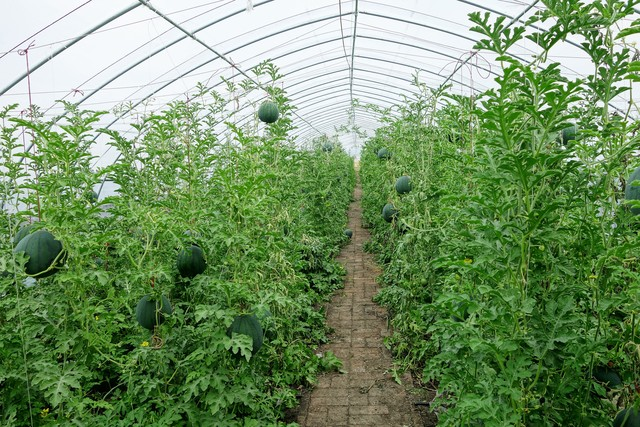
Overall, the key steps in the cultivation of watermelons are seed treatment, seedling planting, water fertilizer management, whole-tree pollination and fruit harvesting. At each step, watermelon cultivation can be completed and normal results can be ensured by using a fixed standard to control temperature, moisture and fertilization. First-hand cultivation can be tested in small areas, followed by familiarization with the steps before expanding the area under cultivation and reducing the loss from operational errors