T: cultivation and conservation of watermelons。
Watermelon cultivation and conservation require a combination of climate, soil conditions and scientific management techniques. The following are detailed guidelines for cultivation and conservation, suitable for household cultivation or small-scale production。
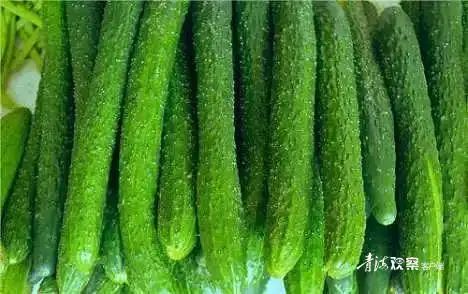
• first, pre-plant preparation. Varieties selection: climate-resilient north selects cold-resistant early-cooked varieties such as the kyoutin series and the south selects wet-resistant varieties such as black beauty. The use of fresh watermelon focuses on sweetness, irritating melons, with the option of processing melons, and high-yielding species, such as new red treasures. Characteristic species: cucumber watermelon, such as the golden phoenix, needs seedless watermelon with pollinating varieties。
Seed treatment: 15 minutes of immersion with 55°c warm water to prevent diseases such as anthrax. Plots of damp gauze maintained at 28-30°, 24-36 hours of exposed seeding. The seedlings are suitable for early ripening, matrix peat + pearl rock 31, and avoid a fung garden soil. Temperature: 25-28° day, 18-20°c night. Seven days before planting, the seedlings gradually cooled, and three to four needles of the age of three to 11 were planted for approximately 25 to 30 days。
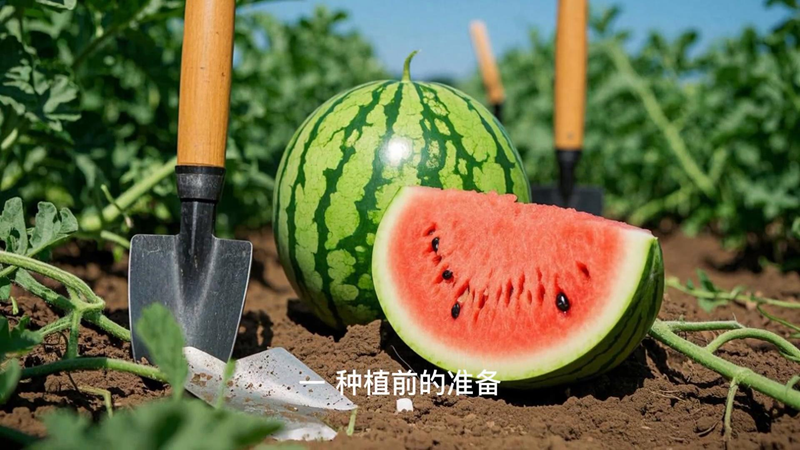
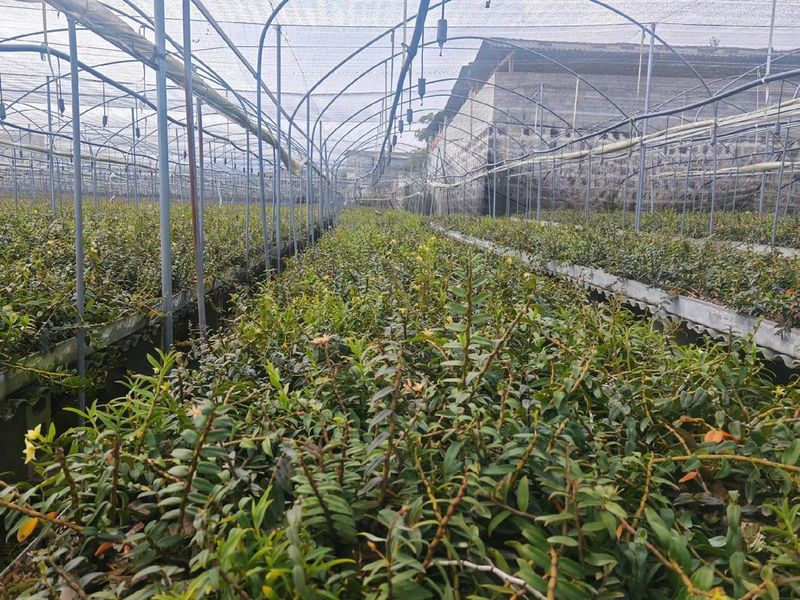
• second, plot preparation and planting. Soil requirements: ph 6. 0-6. 8 and tridecane plaster reconciliation, with a deep increase of over 40 cm. Combined with base fat, 3 tons of decomposed goat dung + 50 kg per phosphate. (c) elevation, 20-30 cm height, 1. 2-1. 5 m width, drainage and flood control in gutter。
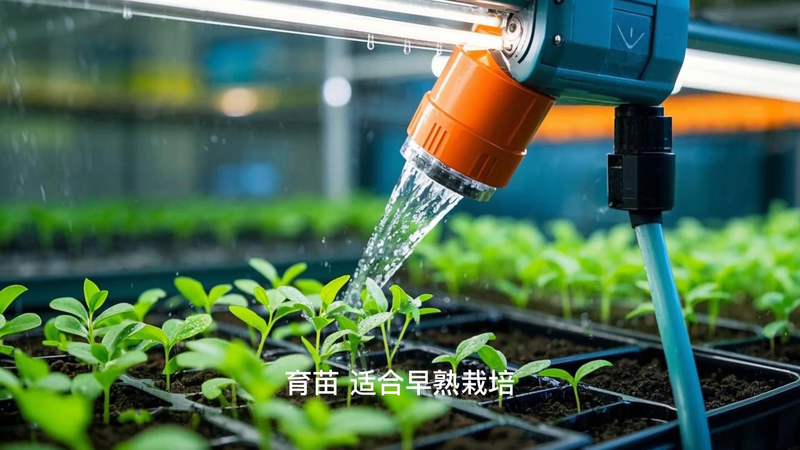
Plantation techniques: density of large melons with a distance of 2 mx and a distance of 0. 8 m; small melons with a distance of 1. 5 m and a distance of 0. 5 m. Duplicate black meadows, white membrane warming. In the north, it is recommended that it take place on the afternoon of the morning, so that it can be filled with water and root agent。
• field management. Fertilizer management: water-watering principle: soil moisture 60 during cranium stretching and rooting. The largest amount of water is required during the expansion period, which is watered every 5-7 days. Water and fracking melons 7 to 10 days before the ripening. Fertilizers: 10 kg of urea per acre + 5,000 g of potassium sulphate, 20 cm from root. Potassium perturbation of 15-5-30 per cent of high-premium water and seven days of spraying of the leaves. + calcium fertiliser-preventing umbilical disease。
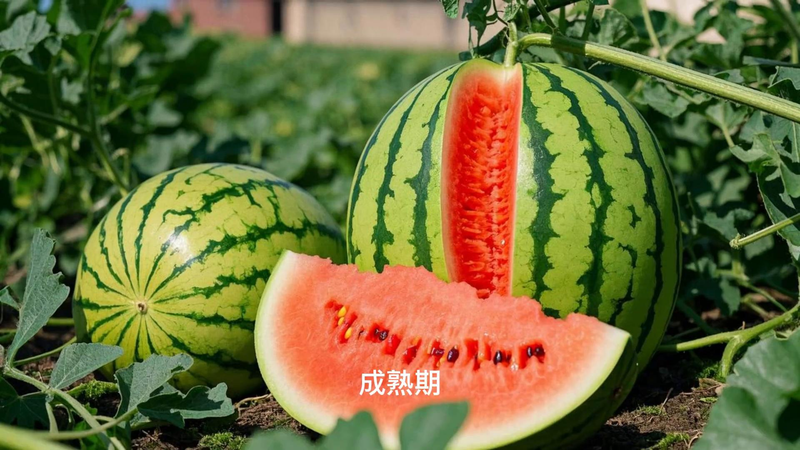
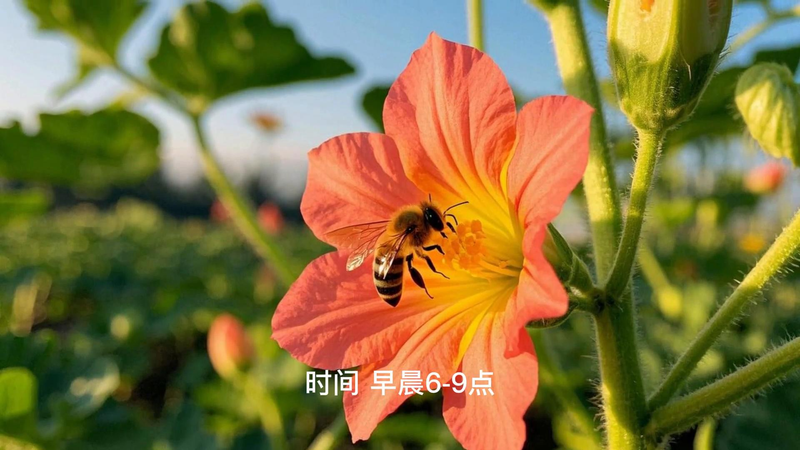
The whole branch with the leftover. The whole method: single chicken is grown early in the day, the main chicken is kept with one gourd, which is suitable for secret planting. The two chickens keep the main chickens + 1-2 strong chickens, with 1 latte per chicken and 2-3 female in position. 1 - 1. 5 m from the root, the guacamole is given priority. A quarter of the maggot is doubled every three to five days, evenly coloured. The pollinator is the most dynamic at 6-9 a. M. The method is lightly coated to the petals, supported by a female column or platinum powder, marked with a record of the registration, and the date of pollination is easy to calculate maturity。
Iv. Pest management. The disease is accompanied by accompaniment, guava or pumpkin, ingested with multibacterium in the early stages of the disease, sprayed phenylphoenix before the rainy season of anthrax to remove leaves, powdered small soda 5gl or sulfur suspension spray. Insect aphid cedar baiting or spraying aphids, guacamole bt fungus, and souyungi. Biological control of subterranean pests and pre-planting of granules of thion。
5. Collection and storage. A ripe-judgement roll must be yellow in the vicinity of the swarms, with a sound-finger plumb, with a silhouette of decorum, with a clearly visible graft, and a dent in the twilight of the fruit powder. The pick-up technique takes place early in the morning or late in the evening, avoids high-temperature time troughs, retains 2-3 cm handles and extends storage periods。