The following is a detailed guide to watermelon cultivation techniques, which focuses on the three core management components of "strangling head breaks, roast chicken and disease prevention":
Three core management techniques for high-yield watermelon cultivation
I. Scientific scientific complete: transition of the head gear
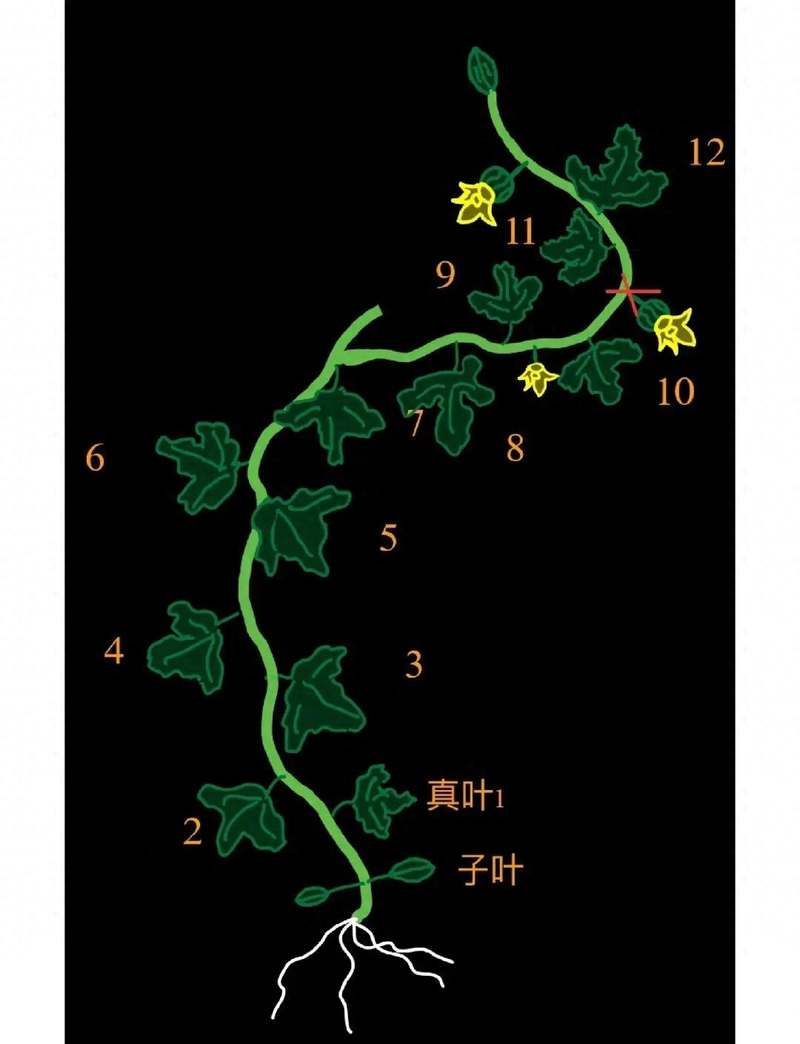
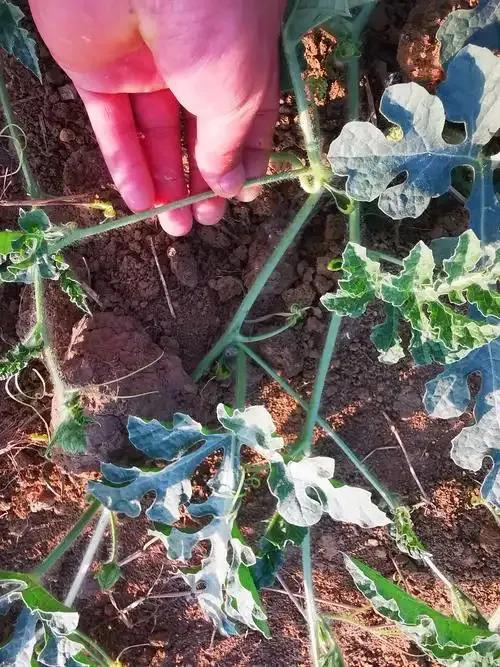
The infinite growth properties of watermelon vines determine that whole branch management is the key to production formation. For the first time, if the length of the chicken is 1. 2-1. 5 m:
1. Heading timing: 3-4 tablets above the female when the female appears in the main chicken section 12-15 ip. Mind
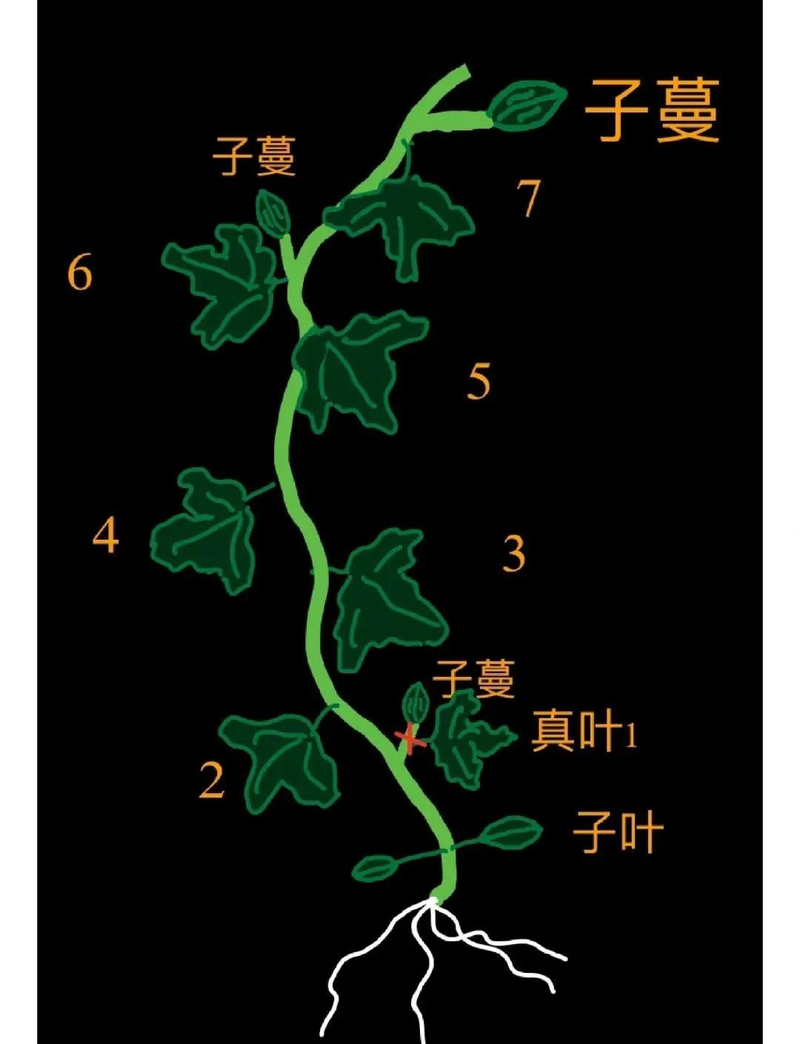
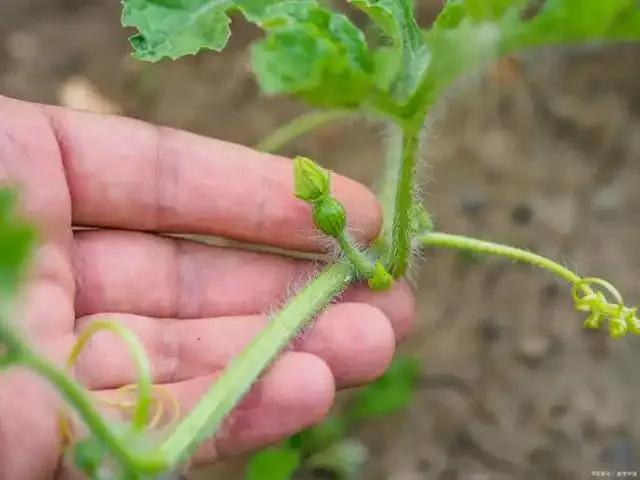
2. Offset criteria: the chickens retain two strong chickens in the base, and the remaining sprouts are erased in time
3. Secondary whole branch: removing the new wing in a timely manner and ensuring that the nutrient supply is concentrated
Technical elements:
Choose to operate in the morning of the sun to avoid the infection in the rain
Keep the main chicken base 3-4 leaves to keep the roots alive
Facilities can be grown with cranium, and field-planted with advice for chickens. The whole branch
Ii. Precision melons: efficiency gains of the main chicken melons
The use of mackerel techniques increases the rate of commercial melons:
1. Leave melon position: selection of the 2-3 females of the main chicken (1. 2-1. 8 m from root)
2. Artificial pollination: female plumes picked from 7 to 10 a. M. Head
3. Set melon standard: good-quality guacamole with good fruit and strong fruit handles when the eggs of guacamole are grown
4. Succumber management: 1 lacuna for large fruit varieties and 2 lacuna for small and medium fruit varieties
Key control points:
Control nitrogen fertilizers during the omelet season
Maintenance of soil water content 60 - 70 per cent during fruit expansion
Scrambled grass against rotting melons. Regular grafts promote even colour
Iii. Systemic prevention: a sound birth basis
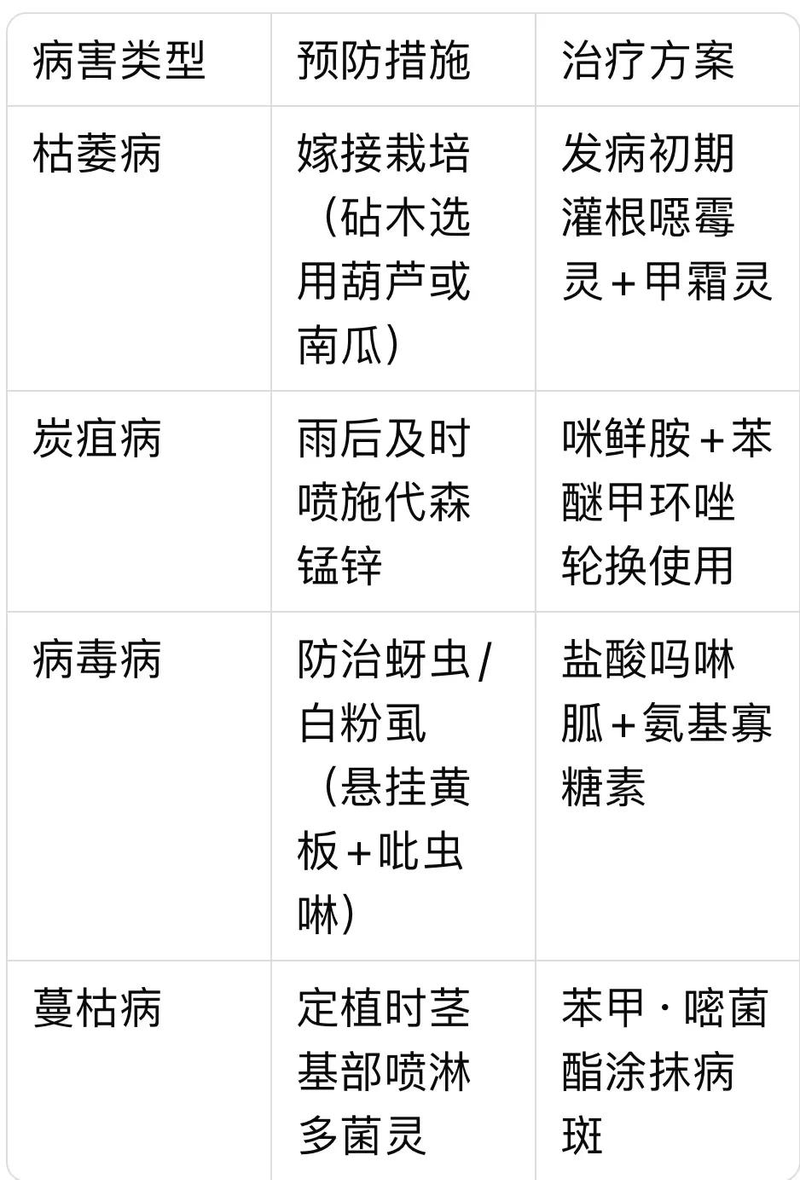
Creation of a "prevention-oriented, integrated response" plant protection system:
Main disease prevention and control programmes:
Integrated management measures:
Introduction of rotation for more than three years
55°c warm water impregnated for 15 minutes
The silver ash membrane for aphids
Increased exposure to decomposed organic fertilizer (3-5 tons per acre)
Iv. Accompanying management techniques
1. Fertilizer integration:
Quantification of condensed compost (15-15) 20 kg/acre
Potassium water solution during expansion (n-p-k=12-6-40) with calcium magnificent
2. Temperature-controlled:
Flows at 28-32°c/night temperature 18-20°c
Average daily light is guaranteed for fruit development for more than 8 hours
3. Acceptance criteria:
The elves are dented and the pollen is visible
Intersectional rolls must be yellow by more than 2/3
Smash and sound
Through the systematic implementation of three core technologies, namely, block control, precision melons and integrated disease prevention, together with scientific management of fertilizers, the watermelon seating rate could increase by more than 30 per cent and sugar by 1-2 degrees, achieving the high yield target of 4,000-5,000 kilograms of acre. Farmers should adapt their management programmes flexibly to local climatic conditions and variety characteristics and consult local agro-technology authorities for targeted guidance, as necessary。
This technology programme combines traditional planting experiences with modern biological control techniques, taking into account ecological and economic benefits, and is suitable for application at scale production bases。