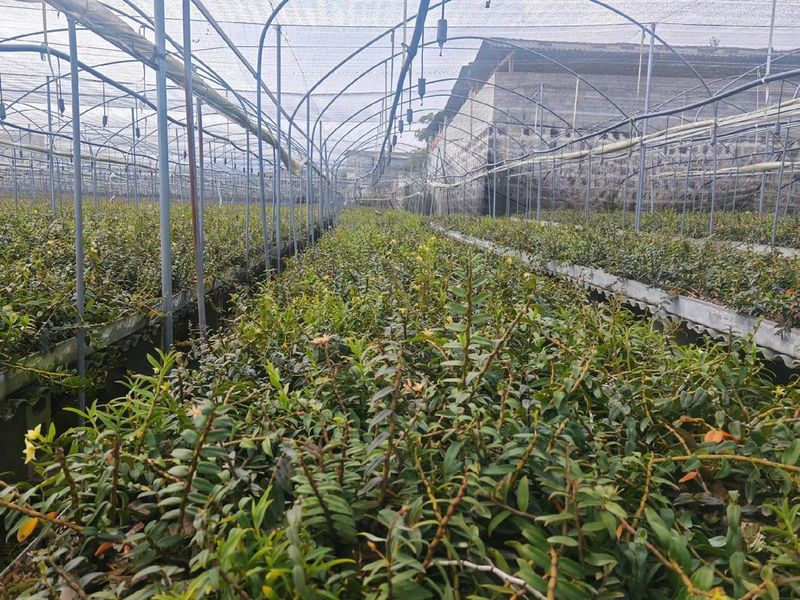
Growing food on the balcony. A green-oiled seedling on the balcony is a green view
You can also pick these fresh, clean vegetables with your own hands
Many people think it's a complicated thing to plant food on the balcony, but if you know the trick, you'll become a vegetable
This week, the kitchen of home feeds is full of people, and a senior gardener, in her balcony, is growing a lot of vegetables, which can be of up to a dozen kinds。
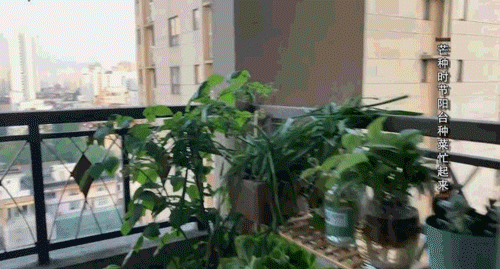
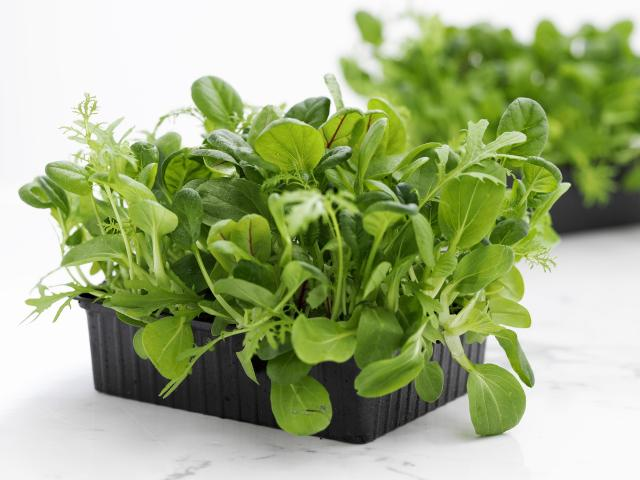
Treeberries, garlic seedlings, mints, vegetables, fruits and spices are canned jars that grow flowers in normal times, and are turned into gardens of vegetables on the balcony of cao cao。
If they also want to grow vegetables on their own balcony, cao tsao has the power to recommend chickens, lettuces and emptied cabbages, which can be eaten for a long time after eating them。
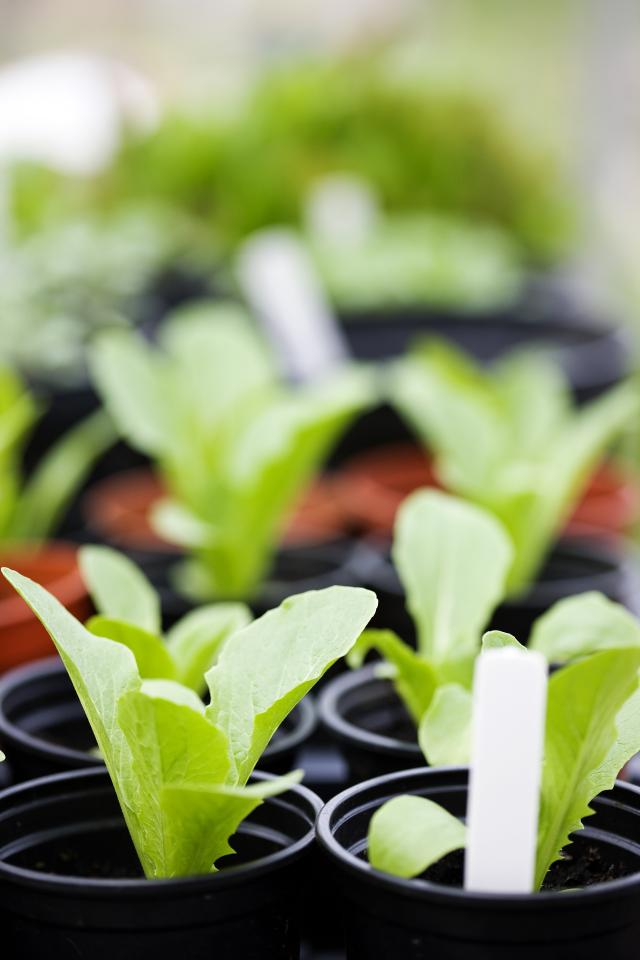
Depending on the direction of the balcony, choose a different dish
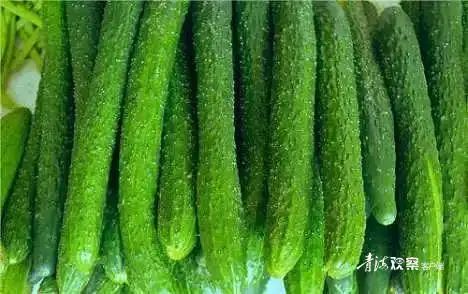
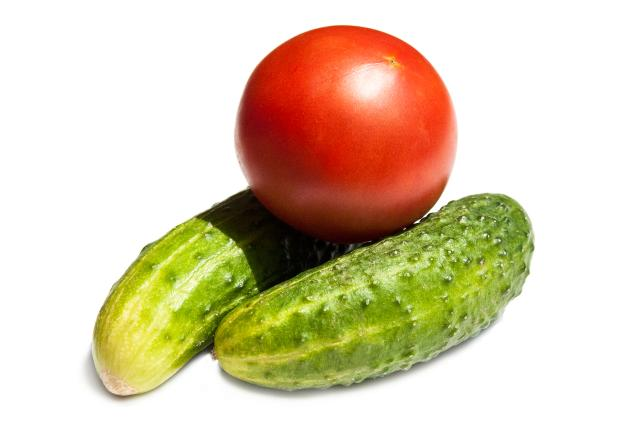
If the balcony is headed south, the most likely menu is available. Because there are plenty of sunlight, and it's good for plants to grow. We usually eat tomatoes, cucumbers, peppers, cabbage, pickles, etc., which are very suitable for growing。
If the balcony is headed north, because there's not enough sunlight, you have to choose the shade-resistant plants. The following options are available: guacamole, soybean sprouts, emptied cabbage, and so forth。
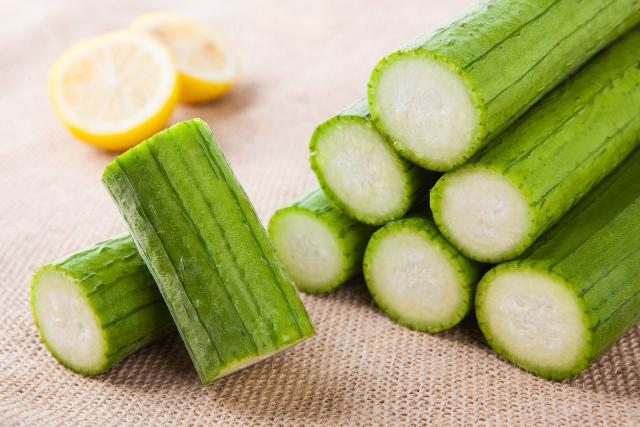
The balcony is headed east and north, almost half of the sun, and it's very suitable to grow some salines, such as onions, pickles, onions, spices, etc。
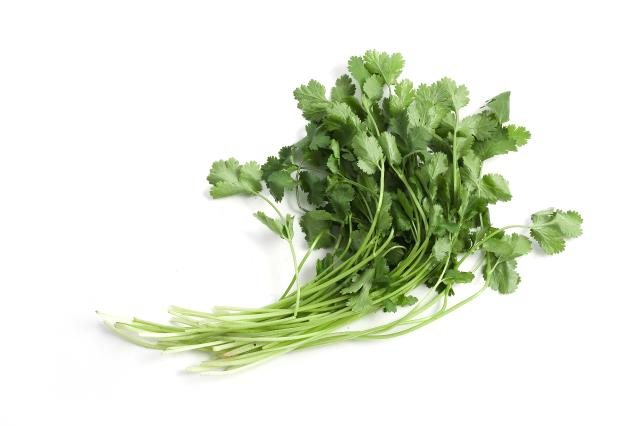
Choose something that grows well and grows fast
Vegetables with short growth cycles: small oils, garlic, sprouts, mustards, cyanide, barley, etc
Some five or six weeks are available for consumption, and these vegetables are not only well prepared, but also very adaptable and very good choices。
Onions, garlic, onions, etc., are often used at home and are grown almost year round. Tomatoes, for example, require a small shed, which increases the weight of the fruit they produce。
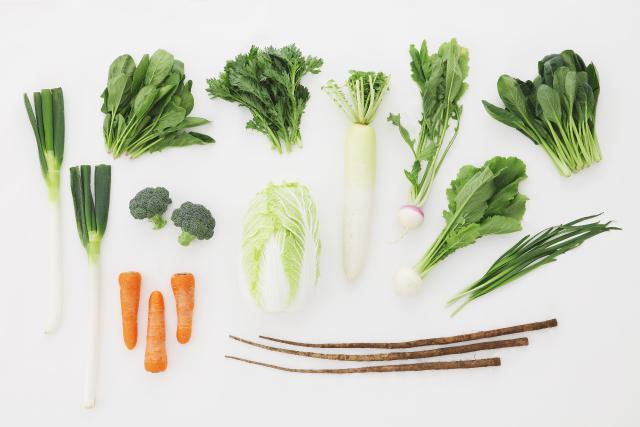
And many plants themselves have special odours and can add a fragrance of fruit and vegetables to their homes。
Try not to pick black containers to plant
Black containers are more likely to inhale heat and are not well developed for many plants. If you do not want to buy a flowerpot, the best planting container is the plastic-foam box in the home. Plastic basins, drums, wooden boxes, iron-coated boxes, etc. Are very good options for “waste utilization”。

Of course, it is important not to forget that at the bottom of each container, there is a drainage/ exhaust vent。
Growing vegetables on the balcony. What are we going to do
1. Clean up the balcony and try to ensure that there is no corner of the dirt。
Secondly, depending on the type of vegetable to be grown, it is decided whether seed sprouts are to be carried out (if seed sprouts are slower, it would be preferable to preplant so that they are more easily grown). For example, tomatoes, cucumbers, watermelons, pumpkins, etc., are generally slow to grow and early seedlings are easier to grow。
Ps: the trick of a trance
First, when seeds are bought, they must be placed in the shade, which is important and the poor storage can affect the growth rate. Seeds that are previously packed must be sealed. It'll work next time
Second, soak seeds with warm water, usually for about two to three hours, then put them in a florist, which can grow quickly, save time and do not have to replant
Third, it is similar to the soybean sprouts, where the toilet paper is humid, the seeds are evenly placed on the toilet paper, and a few more immersed toilet paper are placed on the seeds, so that they can be fertilized。
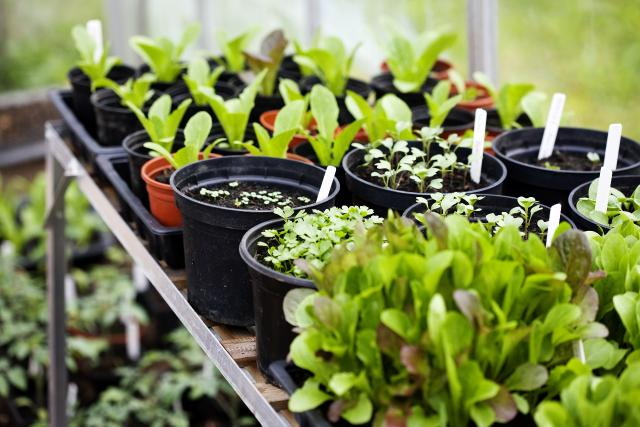
Spread seeds into containers, covering 0. 5-1 cm thick soil. Careful not to bury too deep, otherwise it will be hard to grow。
When small seedlings grow up, it depends on whether the situation needs to be changed, and attention is paid to fertilization and watering to ensure healthy growth。
I'm sorry
Different plants have different needs for growing environments, such as ginger, which does not require much sunlight, blueberries which need to grow better in acidic soils, and cucumbers, or bitter ones, which require a shelf to climb in order to produce better results。
So, before we start growing, please learn more about the spleen of each dish
1. Vegetables with long harvest periods: tomatoes, peppers, chili, spices, onions, etc.
2. Space-saving vegetables: carrots, carrots, onions, ginger, spices
3. Vegetables that are easy to plant: bitter melons, carrots, ginger, onions, lettuce, cabbage
4. Vegetables not susceptible to insects: onions, beetles, potatoes, ginseng, and beryllium