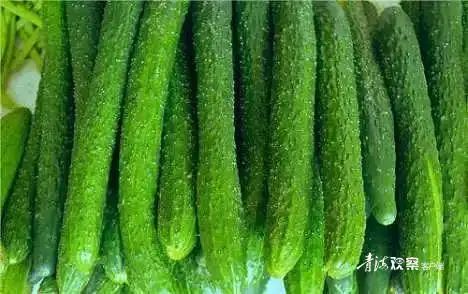
The melons belong to the melons. It's green, fuzzy, hard, it's obvious, it's ten bars, it's white, it's edible, it's not only nutritious, but it has the function of thermal detoxification, health cosmopolitan, and it's filamental. Lenders are green, fuzzy, rigid, clearly elastic (generally 10 bars), white, edible, not only nutritionally abundant, but also acoustic, a year-old cyanobacteria, which belong to the melon group。
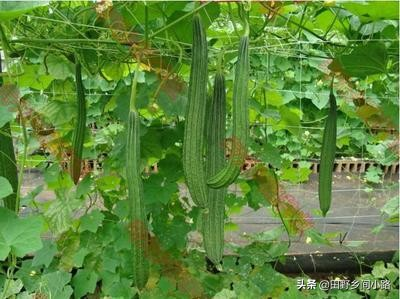
The melons are warm and warm, have developed roots, are drought-resistant, infertile, have long harvest periods and have high yields. The main tuber is generally about 4 metres long and conditions are suitable for unlimited growth, with eight fibre-like elastics vertically around the fruit and thus referred to as leachate. The melon is 35-45 cm long, 3-6 cm in diameter and weighs 200-300 g of single fruit. The fruit is dark and green, the fruit is tender and the sweet and sweet, and is a popular vegetable species in the zhenan area, particularly in the wenzhou market. At present, qingda county is growing more than 1,000 acres, with a wide variety of high-mountain areas over 500 metres above sea level, and harvests take place in july-october of the summer and autumn season of vegetables on the market, with an average acre production of 3,000 kg. They are sold to jiangsu, the zhejiang neighbourhood, the cities of central china, and the local markets in wenzhou. The following is a description of the techniques used for high-yield cultivation in the region。
1. Selection of cultivated plots
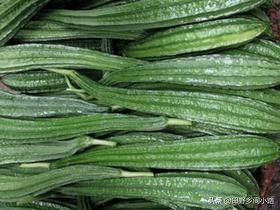
Pyramids are generally not strictly required for soil, but they should choose to be ventilated to the sun, more than 500 metres above sea level and well drained from the loose sandy sandy soil, thus avoiding the impact of the summer heat on the flowering of the pelicans and improving the quality and productivity of the pyres. Soil laxation provides a good basis for high productivity by satisfying the well-developed roots of the leachate。
2. Selection of seeding periods
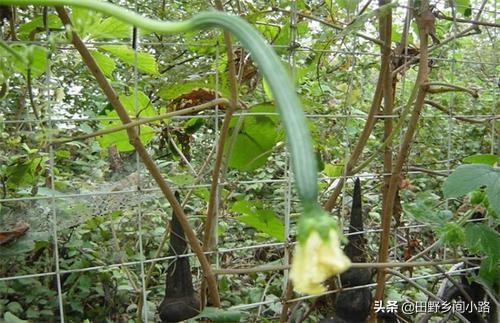
In the mountains, seeding can take place between mid-april and mid-may, at different times depending on the altitude, with a corresponding delay as the altitude rises. The best planting period in high mountain areas above 500 metres above sea level is from early april to late april。
3 - physical, fertilizer, seeding
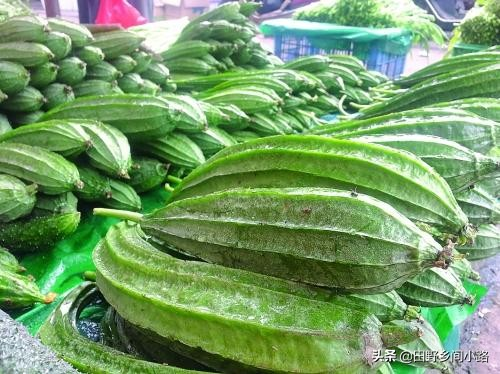
The guacamole is built 4 metres wide, with the base fertilizer on the side of the guacamole and near the plantation. There is no need to separate the place, to dig a hole at a distance of 1 metre and plant it in the centre of the eggplant, pepper, etc., with a pole, straw rope and a “one dragon” form of cultivation. High levels of production, high levels of base fertilizer and higher demand for potassium and appropriate nitrogen and phosphorus during growth. It is generally required to apply 1,000 kg of manure, 20 kg of compound manure and 2,000 kg of manure. For the most part, the melons are grown on the ground, so as to prevent displacement from taking place, they can be broadcast live. After a day of sunbathing, seeds are immersed for 15 minutes with 50-55°c warm water, then impregnated for four hours, fertilized with phosphorous fertilizer and grass ashes, sowing two seeds per lavender, wetting the water and covering the membrane to protect the temperature. When seedlings are produced, the membrane is punctuated。
4. Field management
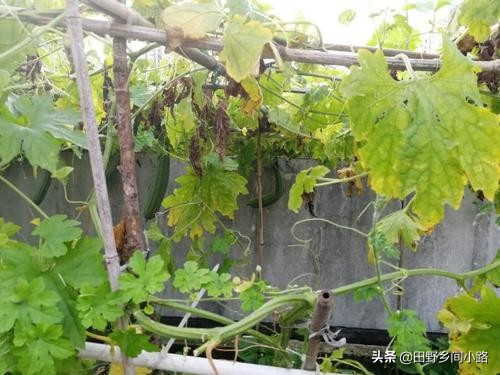
When a seedling grows to one centrifugal, a seedling is left in each den, the excess seedling is removed and the human urine is poured every five days to promote its growth. Increased fertilization at about 1 metre of chicken length, increased fertilization during the fertilisation period, 1 per harvest. The melon land is always wet and is built in time for a month or so after seeding, with a single bamboo in each of the guacamole, then a two-metre-high flat between the two rows of leprechauns, with stereoculture, making full use of space and light. The leprechauns are formed after the chicken is spitting, and the poles are attached to them with grass ropes, and the ropes are tightened to form a cucumber and grow in space。
In order to promote the rapid growth of the main chicken, the branches and buds of the main chicken base may be removed. When the main chicken grows to the shed, it removes the top of the head and trims too many males and side branches, keeping reasonably two to three branches and evenly distributed on the roof. (b) the timely removal of the base leaves and yellow leaves, and the removal of excessive male/female ratios of 1:2 in order to save nutrients. At the end of the period of production, the management of fatty water in the fields, pest control, and the eradication of male/female diseases continued. While harvesting is on the market, emphasis will also be placed on enhancing the pursuit of fertilizers and drought resistance, with 30 kg of compound fertilizer per acre or 2,000 kg of human urine, or 5-10 kg of urea per acre in a ditch at the same time as drought resistance, to supplement water and fertility, which will be combined and applied several times thereafter to keep the plant growing at a later stage to prevent early decay。
Collection
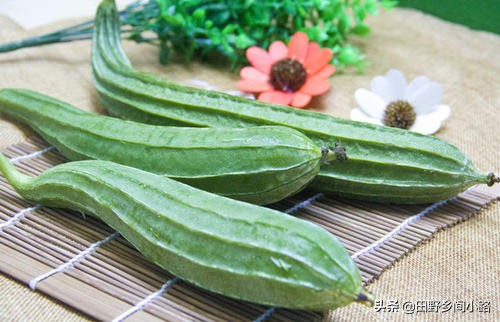
When the fruit fibre is not old enough to be harvested when the guacamole is fully grown up, it must be harvested for the benefit of other melons to grow in the morning and cut with scissors。
6. Retention
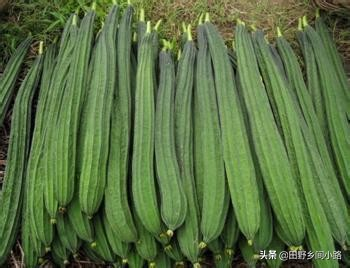
The seeds are grown early, long and full of seeds, and their offspring grow fast and early. The melons are left in brown, dried up, harvested, cooked in the back of the room, then tanned.