The buddha's hand looks like a buddha's hand. It's good. It has great nutritional value and economic benefits. The flavour tastes unique and produces a high yield, usually about 200 kg per plant. The result is a high yield of 1,500, or about 500 kg. It's easy to keep, to store. The disease-resistant, non-polluting pesticide use is a non-polluted, health-care vegetable that can be fed in winter and fills in the shortage of light-season vegetables。
Buddha's handmeasure is an excellent tropic and warmer crop that originates in tropical and subtropical areas. The total fertility of the buddha's melon requires more than 3,000°c. The average temperature stability of the day begins to grow at 15°c and, within a given range, the higher the temperature, the faster the plant grows; when the temperature is below 5°c, the plant begins to suffer from cold and the minimum temperature drops to 0°c, the plant will freeze to death。
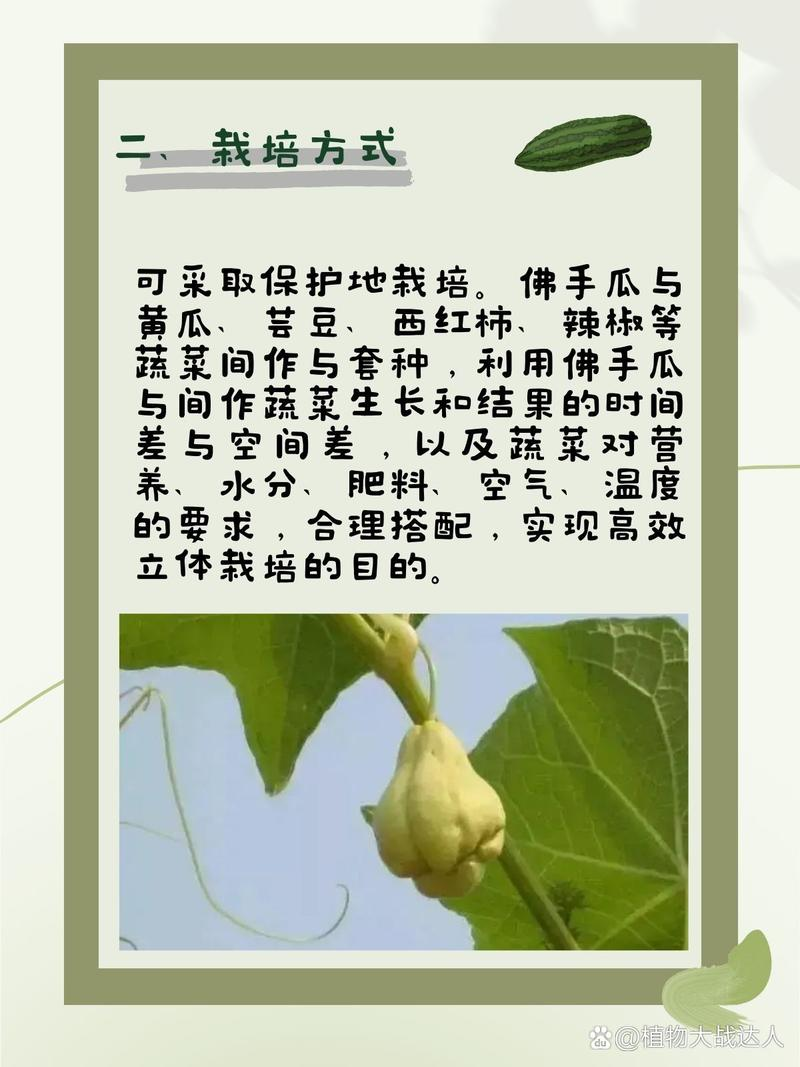
The hot season of summer and summer is a long-standing plant with high water requirements and should keep the surface wet. The requirements for early and late temperatures and the supply of mid- and later-term moisture are stringent. The requirements for light are less sensitive and generally natural light meets the demand. It is therefore important to strengthen scientific management in the cultivation of buddha's handmeasure。
The method of cultivation is as follows:
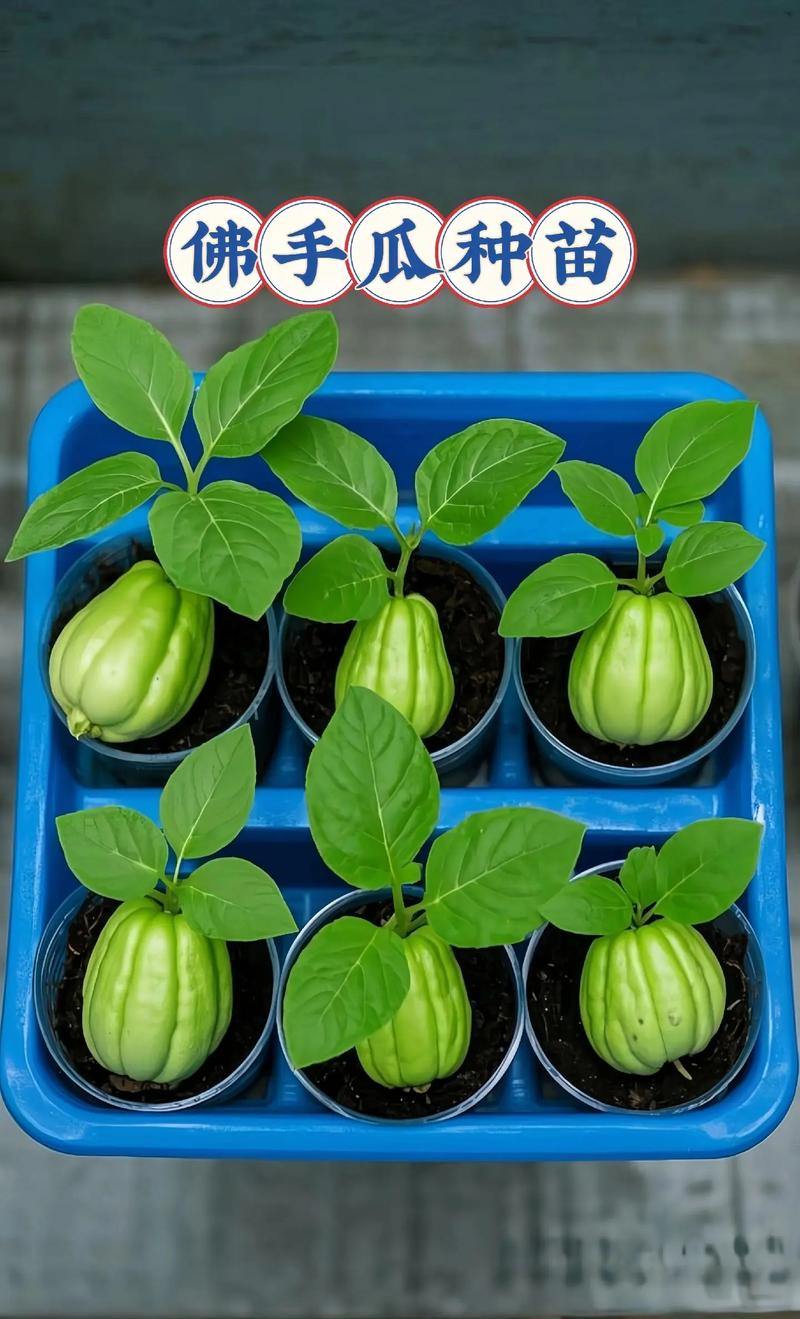
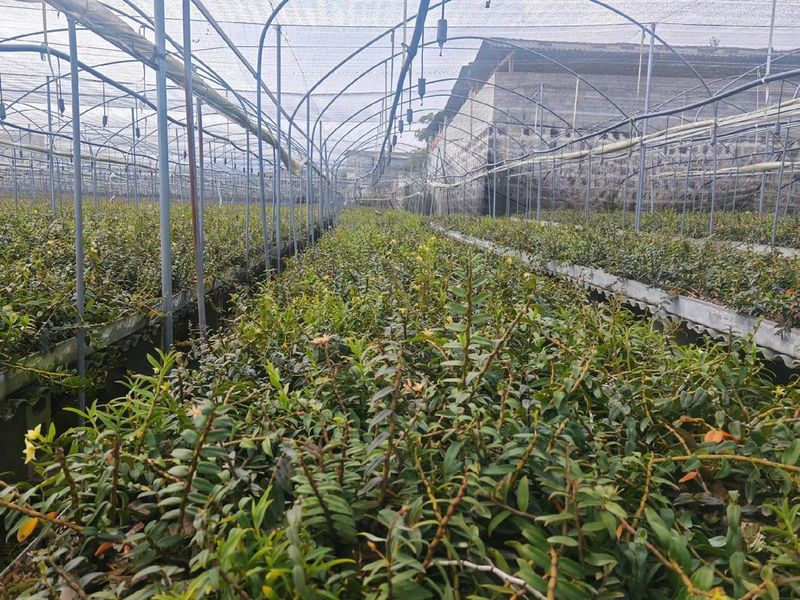
I. Land as a whole: choosing sheds, ventilated light, deep earthed courtyards or fields, applying base fattening, and flattening。
Ii. Cultivation: cultivation of seedlings with membranes during the spring season around new year's day. Land cover is 2-3 centimetres, at which point the soil maintains water in the field at about 60-70 per cent and is too wet to cause melon to rot. Watering during the breeding season is appropriate to keep the leaves alive, and care is taken to make them see sunlight every day and to ensure that light is used for cooperation and normal growth. The seedlings and the pre-growth period, where too many germs or root hairs are found, should be removed in a timely manner, with two or three main chickens generally retained for the purposes of climbing and flourishing。
Iii. Transplantation: at the end of the final frost, seedlings can be planted in well-established plots, with a small amount of nitrogen fertilizer to promote seedling growth。
Iv. Fertilizer management: the soil requires warm and wet soil after transplantation. Avoid watering too much to affect plant growth. After that, growth accelerated as temperatures rose. When temperature rises to 20°c and enters a boom, the amount of water required increases, and in addition to natural precipitation, water should be poured in time. In order to reduce water evaporation, scrawl, straw, straw, etc. Can be covered around the plant in order to achieve the purpose of protection. During the period of growth, two to three fats were hunted for the first time in the long run by buddha's hand, for organic and compound fats, and 30 to 40 centimetres of cyclopedia. The second should be managed by applying organic fertilizer, compound fertilizer, grass-wood ash, etc., to the 60-70 cm ditch of the plant, after the end of the period. When the temperature is reduced to 20°c, an appropriate fertilisation can be followed up on the basis of progma before it is available, in order to facilitate the formation and growth of the later fruits。
Collection and custody: when the flower is fertilized, it is usually eaten after 15 days, and when the temperature is stabilized at 15 °c, it ceases to grow, at which point it enters the harvest period and is collected before the initial frost. When harvests are carried lightly, paper is packed individually and when temperature is reduced to about 12°c, plastic bags, boxes or other containers are packed and moved into indoor storage. In general, in an environment below 10°c, which is not subject to freezing, it can be placed in the following year's “five ones” section, as available. (source: guo wenyang palace guard, china weather service, 5 september 1996)