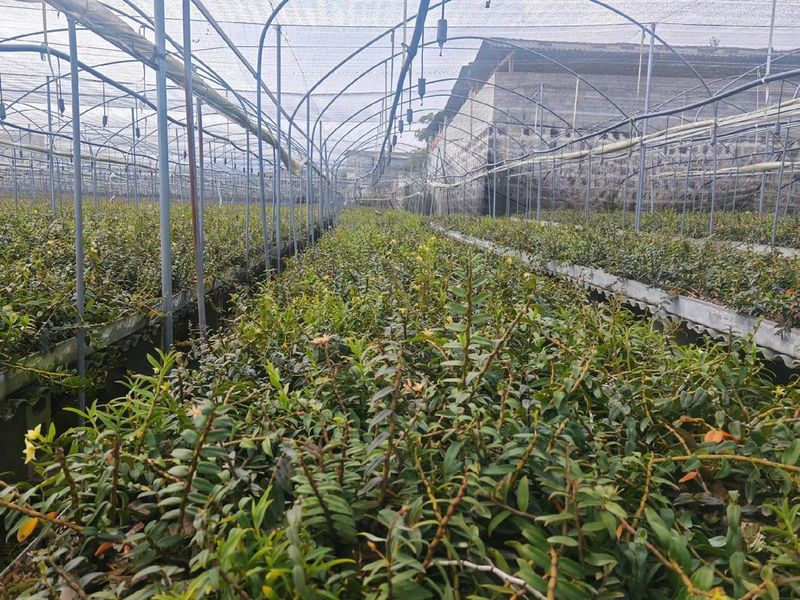
1. Timing of cultivation: generally concentrated in april. 2. Speculation: selecting and disinfecting shallow-water species that fit the characteristics of the species, are shallow, strong, fat and resistant to disease. 3. The selection of a field: the choice of a field near water source, management convenience, strong water conservation capacity, ease of drainage and drainage, soil ph at 6-7. 4. Fertilization of the whole area: the whole area is applied to base fattening, and then 1 - 2 cm deep water is pumped into the field for a rake. Cultivation: a gutter is opened with a hand and the head is tilted down. Land management: managing water levels, fatting, pest control, etc。
Timing of cultivation
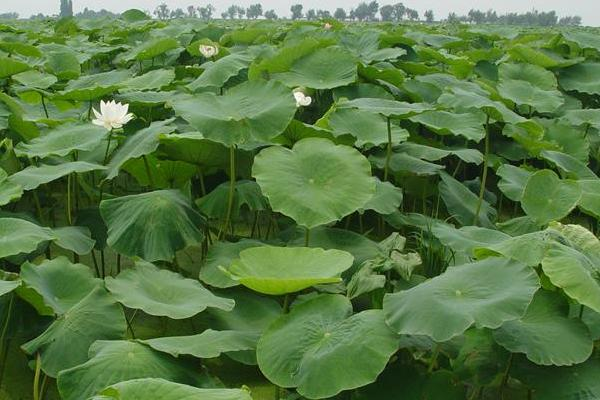
When the average temperature is 15°c or the water temperature in the pool is maintained at or above 5°c, seeding is available and generally concentrated in april. If seeding is premature and the temperature is too low, it is slow and perishable; if seeding is too late, it affects later production。
Ii. Options
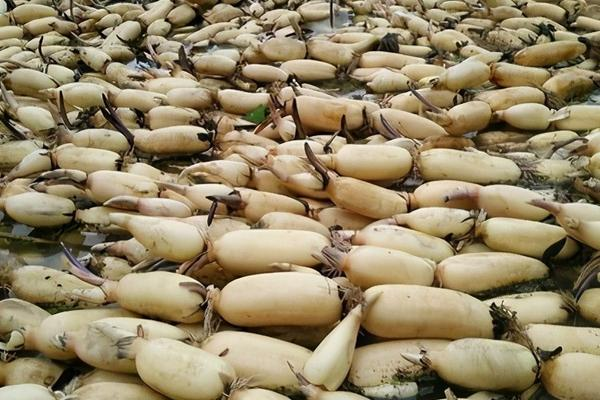
The selection of shallow water species that fit the characteristics of the species, are shallow, strong, fat, thin and thin, have little fibre and are highly resistant to disease. The sap must weigh more than 250 g, with at least two knots and full sprouts, before it is thicker and free of tetanus. Prior to planting, a 24-hour sterilisation of 50% of each acre of filamentable powder with 50 g of water diluting spray can prevent the occurrence of disease during the nursery season。
Iii. Hinata choice
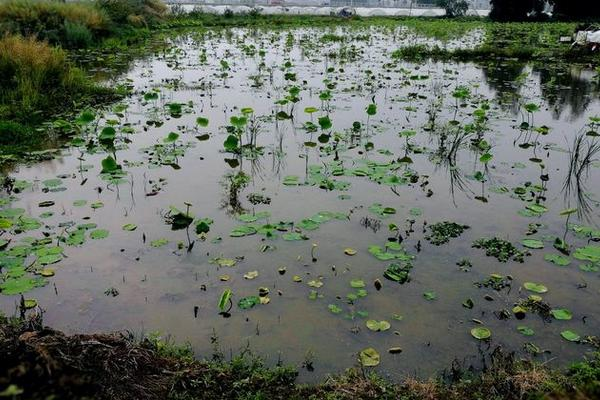
A field may be chosen in areas such as village wastelands, waste houses, used pits, abandoned land, etc., but it must be close to the water source and managed with ease, strong water protection capacity, easy drainage, soil ph values of 6-7, preferably with river pond mud or paddy fields, as well as with garden land for vegetable fields, but must never be contaminated with industrial soil. If a new pool is constructed with cement, it should be immersed in water, which should be replaced with water。
Iv. Fertilizing the whole area
The shallow water plant is being planted in new fields and in line with them. Among them, the new fields should be ploughed and made, and applied to base fertilizer (3500 kg per acre of high-quality rotor fat, 400 kg of chicken dung and 400 kg of beans) in the first half of the month; the planting should be razed once more the day before, making the soil a muddy state and levelling the ground. The joint field should first remove the remaining parts of the field and then be treated in conjunction with the application of base fertilizer during the first half of the month of planting, which should be followed by one-two-cm deep water into the field and a rake。
Cultivation
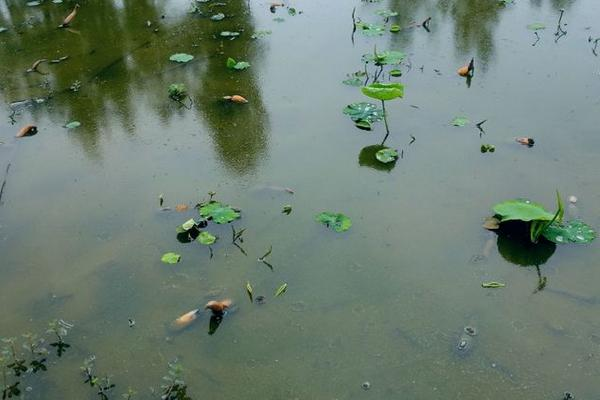
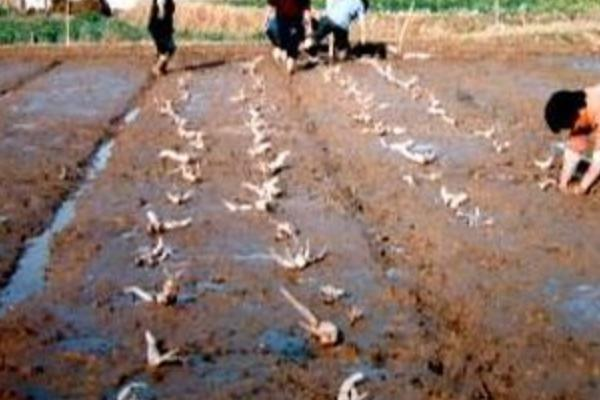
First, they open a slash with their hands, deep at 13-15 cm, and lean their head down, and then push them a little over the water. The head is organized in a cross-section, i. E., the first head to the left, the second to the right, so that it is evenly distributed, and the row at the edge of the pool should be directed towards the pool to reduce recovery. Plantation density is 0. 8 m range and 2 m range, requiring 200-250 kg per acre. Note that the field level is not too deep and remains at 5-10 cm。
Vi. Holda management
1. Long-term seedlings
The field water level should be maintained at 5-10 cm to increase soil temperature and promote gestation; water herbs should be removed in a timely manner from seeding to the first line of leaves; after the first line of leaves is released, fattening should be carried out in a timely manner, with calcium phosphate applied to each acre, and water sprayed to the plant every half month。
2. Long-lived leaves
The field water level should be maintained at 25-30 cm; when the leaf leaves one metre from the edge of the field, the twig will be lifted to the field at any time; the “post-leaf” leaves will be followed up with urea 30 kg per acre; the soil will be touched every half month, weededing will be done and leaves will be removed。

3. Pest management
The main disease in xinda is decomposition, which is dealt with in a deliberate manner by reducing the application of nitrogen fertilizer or by sterilizing it with lime at 2250-3000 kg per hectare. The main pests in the field are slashed night moths and aphids, which use 90 per cent trichlorfon 100 g per acre to control water dilution sprays, and aphids who use 40 per cent of the acetate milk 1500-2000 times or 50 per cent of the acetylene-wettable powder 10g in water dilution sprays。