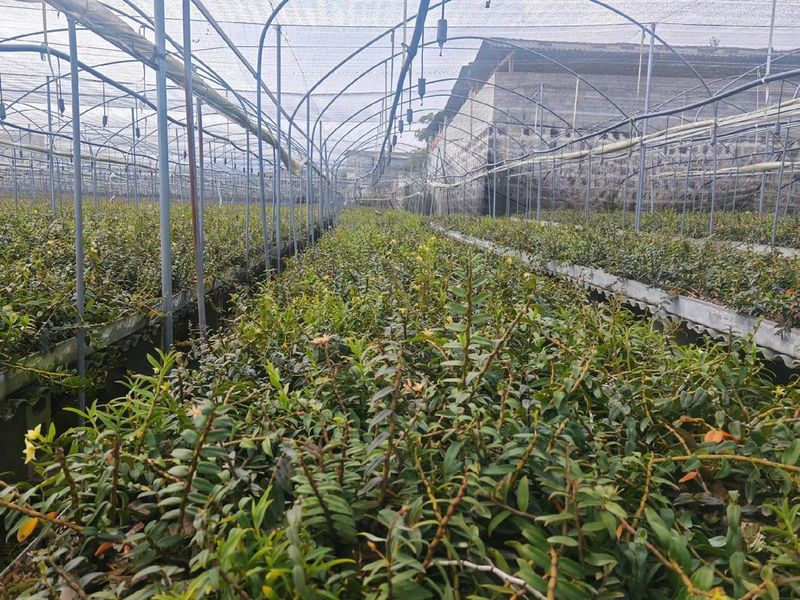
In recent days, the henan province oil and tea industry technology service has joined forces with the new county oil and tea technology service ii to reach out to the new county zhou river village and the chigu township oil and tea plantations, and to develop a full range of winter management technical services to inject strength into the development of high-quality oil and tea in the new county。
The service visited the mauma tea estate in the village of bear bay in zhou river village, the oil and tea plantation demonstration base in the village of tsumimura, and the oil and tea plant in the village of sakayama in the province。
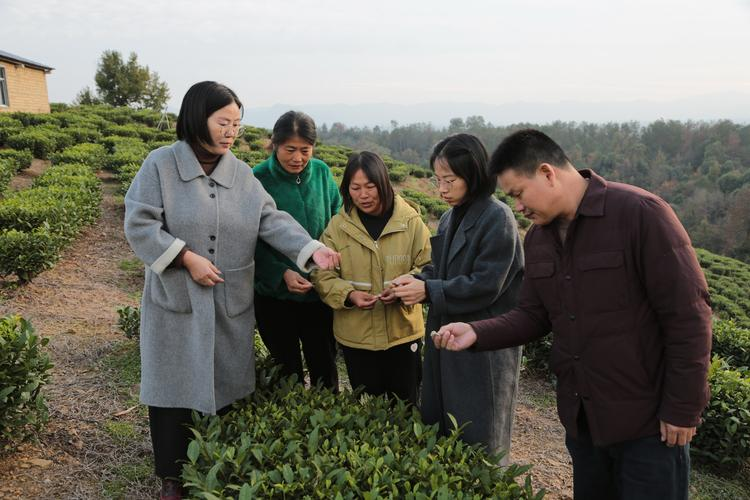
On the ground, experts have found problems in the management of farmers during the winter season, such as inappropriate trimulation and poor fertilization. In response to these questions, the team experts used the “theory + field presentation + accurate questions” training model to inform growers about the technical aspects of the management of oil and tea winters。
The mission's experts emphasized that winter trimping was a key component of oil and tea against winter and productive for the coming year. No more than one third of the canopy should be strictly controlled to prevent freezing. For oil and tea trees at different stages of growth, there is a focus on cutting: the young trees focus on the development of three to five healthy branches; the productive tea trees focus on the removal of weak branches and cross branches and on the preservation of the healthy fruit branches; and the ageing oil tea trees need to extend their outcomes through short-term retreading and cutting. The service also demonstrated in situ the practice of trimmed, short-cut exercises, with emphasis on the position, angle and direction of shearing, the “triple-word” which taught shearing techniques — the “close (near) plume” — i. E. Close to the retention branch, paralleling the branch with the clipping, which is smooth and has a certain angle and does not leave a stick。
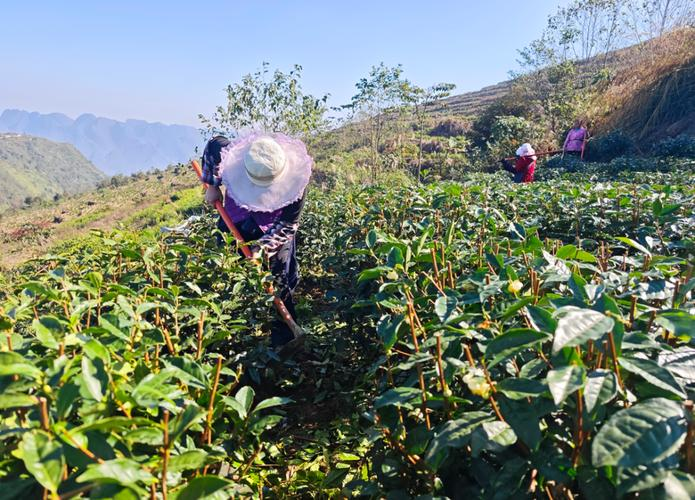
The mission's experts indicated that winter trimping needs to be combined with reclamation and fertilization. The root causes are to be reduced in the process of recultivation, and the principle of “deepness and shallowness” is followed. During fertilization, a ditch is dug on the edge of the oiled tea canopy, which is 15-20 centimetres wide and 50 centimetres long, so that the fertilizer is evenly distributed and the soil is covered in time. For compound fertilisation, the tree was 0. 1 kg ~0. 5 kg and the tree was 0. 5 kg ~1 kg; for organic fertilization, the tree was 1. 0 kg ~2. 5 kg and the tree was 5 kg ~10 kg。
“technology delivered to hands, materials warmed heads”, a group of trained growers were provided with special fats for oil and tea, as well as high-quality cutters, hand-saws, etc., and oil and tea trimming books。
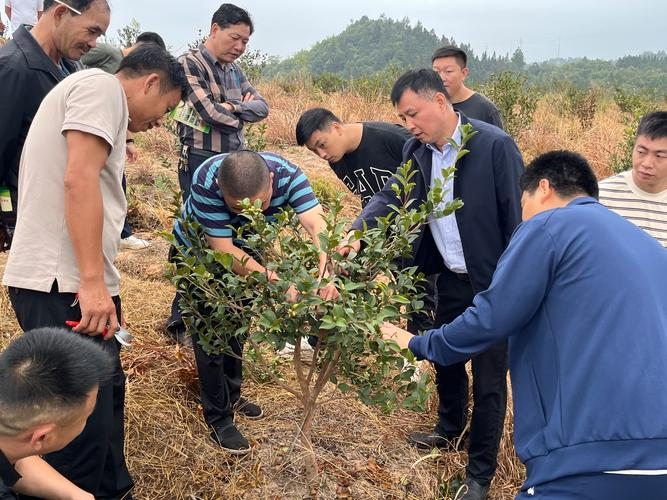
The relevant head of the mission stated that the normal professional support of the new county oil and tea industry would continue to be based on the technical advantages of the team of experts. Specialized guidance for winter care follow-up on cold-proofing, nutrient supplementation, etc., continues to improve the professional literacy and industrial management of growers, and to drive the new county's oil and tea industry towards scale, standardization and quality, so that the tea can truly become a good tree species for boosting revenue. Wang jing