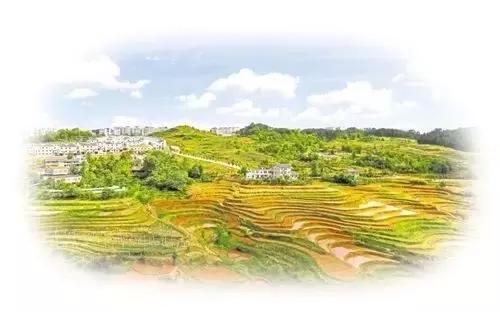
In the province of jilin, deep exploration of the development and utilization path - the “downhill” road - is wide。
"gold" in the mountains
Peasant harvest
The fragrance of spring and the fragrance of herbs, and the season of picking wild and wild vegetables。
In may, 30-50 per cent of the villagers went to the hills to pick their vegetables every day in the run-off village of grand pucha river town in the city of dune. At 7 a. M., chon-soo and his companion, li choo-feng, had already eaten early and put their backs and bags on three wheels of motorcycles in preparation for their march towards the east mountain, 5 kilometres from the village of the fork。
The mountains wandered but not rough. In about 10 minutes, chon learned to put out the motorbike and park by the side of the road。
“the village usually has people digging in the mountains, with large quantities and variety.” kang said that yamana can pick up for about a month, and that the finished can be sold to vendors or local processing plants, earning more than 4,000 a month。
In the town of grand puchai, pan minghai, a farmer who has purchased wild vegetables from the mountains for more than 10 years, said to journalists: “the wild vegetables are pure green foods, which have been very popular and sold in recent years. Many people in the village have taken advantage of this period to pick up vegetables and sell them in the mountains

In the agricultural market in central dundeer city, which was followed for a while by a car, piles of piles and bundles of freshly harvested sprouts, picks, picks, and so forth attracts citizens to ask for prices and buys. "sold fast. The market opened and sold more than 100 pounds." chen haiyan, the market vendor, said that it was now a hot season for the sale of wild and wild vegetables, and was a “fun” in the market。
Not only in the context of desertification, but also throughout the province, the resource-rich areas of forested land have brought rich local resources of wild and wild vegetables, with farmers feeding on mountains and many more roads。
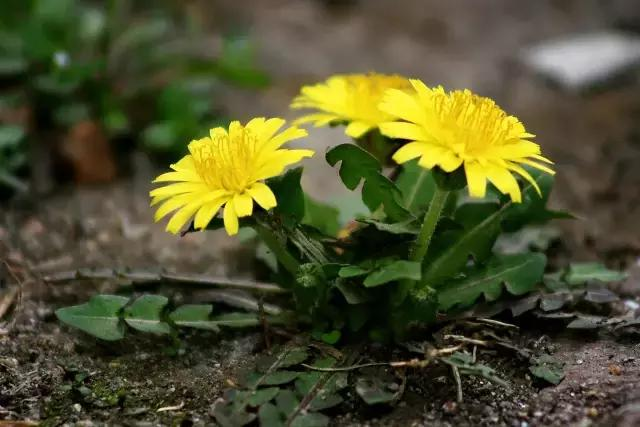
Artificial transfer technology matured
Gradual size
In the last few days, li jun-sang has been busy and has begun to harvest wild vegetables in 200 hectares of woodland, which require nearly a kilo of production per acre to be picked by hire. “this woodland is made up of herbs and weeds, which are the best in mountain vegetables
In the village of futa, ulin, the city of shifu, it has been growing wild vegetables since 2014. “there is a certain technical requirement for the relocation of yamana vegetables, which for the first two years have not been able to grow, have not lived and have tried repeatedly.” to that end, lee jun-sang has come to korea to learn the techniques of growing wild vegetables. Today, the production of wild and wild vegetables is stable, yielding a value of $30,000 per hectare。
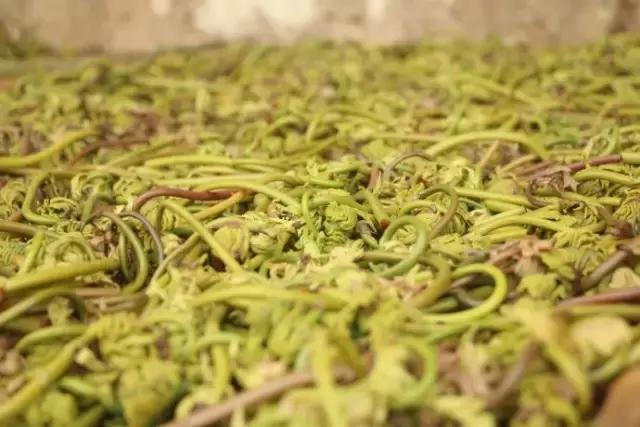
In the village of sanhe, the village of the city of shifu, the head of the yamano-cooking specialized cooperative, boyu-ying, took the soft and humid soil out of the field and, with a little force, drew the soil from the wild cabbage, “the mountain vegetables are grown in the years and grow only money”. According to bianyu young, more than 200 acres of wild vegetables are being cultivated throughout the village, with an annual value of approximately $2 million。
The production of canyon has increased considerably, but is still subject to seasonal constraints, as a result of the manual open-air migration of wild vegetables, which are starting to grow against season。
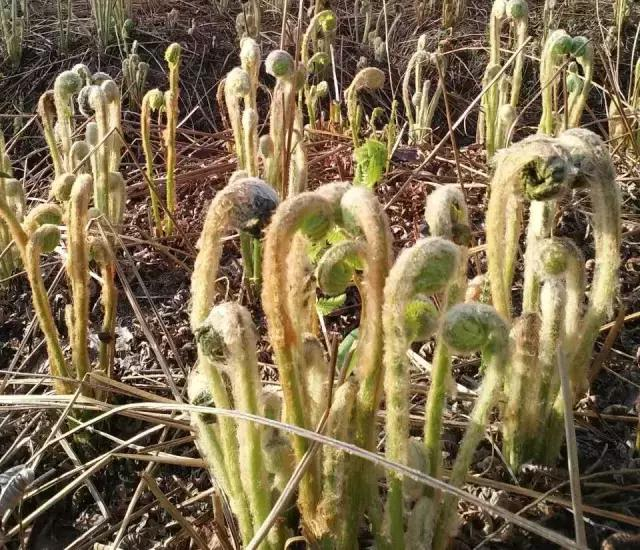
In the village of sanhe village, there has been a strong development of wild vegetables, a professional vegetable growing cooperative。
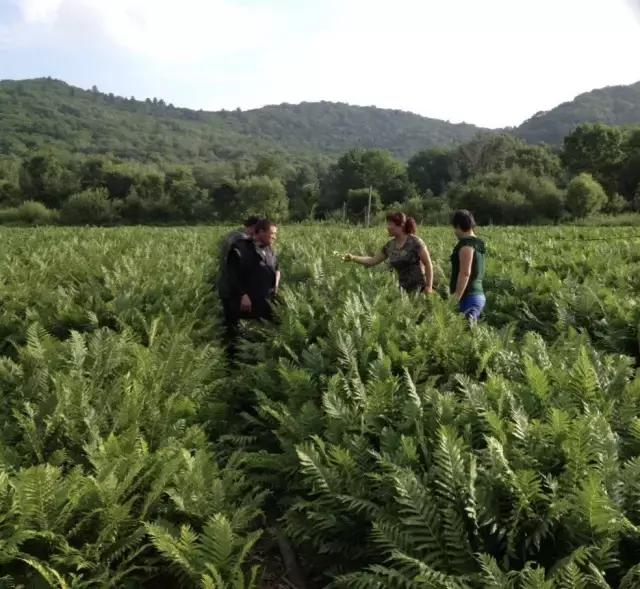
The head of the professional cooperative for the growing of wild vegetables in sanhe village, sanhe village, bo yuying, introduced his guests to his home-grown canteen。
Shuran city has a small local reputation for the association of wisdoms in the seven mile villages. There are 42 large sheds with a variety of vealing, sprouts, incubines, incubines and so forth。
“the cooperative has just ended its pick-up of willows and is planting five plus five”. The head of the cooperative said that, for the long-term staggered vegetable-students in the mountains, the cooperative was growing different varieties over four seasons a year, three times a year, and one after another。
In 2015, cooperatives registered trademarks, with three-pound gift boxes sold to $80 in summer and $150 in winter. According to shun zhongliang, the cooperative earns more than $500,000 a year, using a variety of sales methods such as direct marketing, wholesale distribution, and distribution and gift boxes。
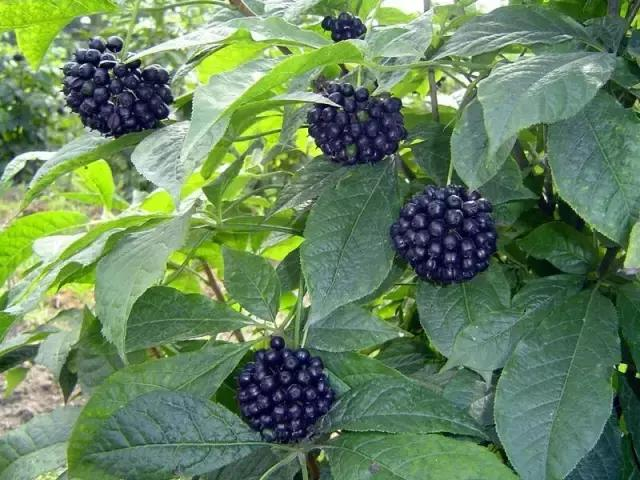
Single variety
Multiple product development
As an industry “old people”, which has been operating the field for nearly 20 years, the purchase, processing and sale of veggies from pan sunghai to the mountain is well established and “can produce about 200 tons a year, partly in jilin province and partly exported”. Pan sunghai described the processing of wild and wild vegetables, mainly in the form of pickles, cans and freezing. In the processing plant, more than 30 workers are busy with pickled, frozen and packing lines。
In the town of puchai, the city of dundee, there are many mountain vegetable-processing enterprises like pan sunghai. Pan sunghai is not optimistic about the growing range of mountain vegetable processing industries. “at present, consumers do not know enough about mountain canyon, and its consumption habits need to be nurtured and strengthened. As agricultural products for sale and export, yamato is still dominated by primary products with low value added.”
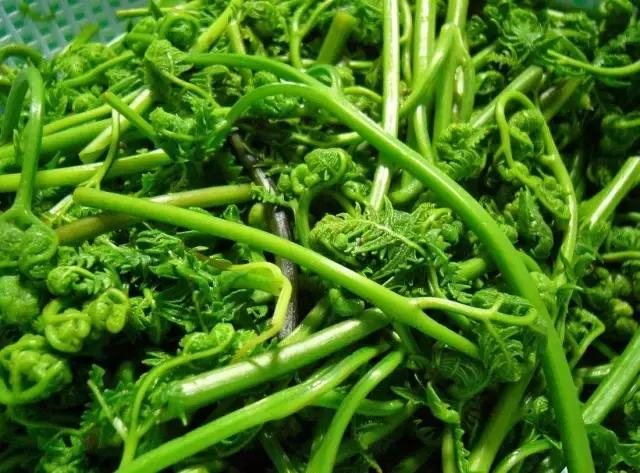
Also concerned about the market for wild vegetables is liu lixia, chairman of the board of directors of yoshimoto specialty co. Ltd. In the city of midian. “... In the last two years, the processing volume of the plant's canyon is shrinking, and last year it produced 1,000 boxes, mainly of dried canyon products.” liu lixia states that the processing of mountain vegetables in jilin province is mostly rough, that product development is mainly made of pickled, fresh and dry products, and that during the processing process some of the nutrient losses in the canyon are high and the variety is monotonous and low。
“for example, wild vegetable juices, wild vegetable powders, and mountain vegetables or vegetable foods between vegetables and medicines can be developed to develop functional foods such as appetizers, spleen and inflammation.” liu lixia said that the processing of cannays should be market-oriented, with more effort to improve the technological content of development and the variety of products to be enriched。
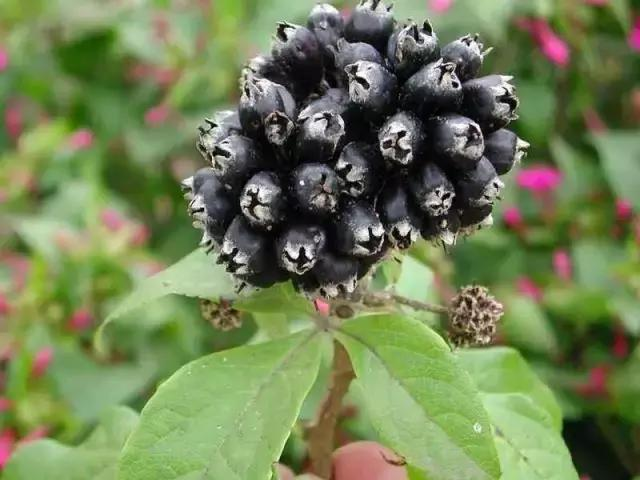
In the view of industry experts, mountain wild vegetables are nutritious and are natural green foods free of fertilizers and pesticide residues, contain higher levels of carrots, sulfamide and nuclide than normal growing vegetables, and green, fresh and functional are the dominant development of mountain wild vegetables products, and advanced technologies should be actively introduced for further processing and integrated use to break current processing bottlenecks in mountain wild vegetables。
Reporter chen moo
♪ plan, meng sang-jae ♪
Editor, gen-hye, twisty