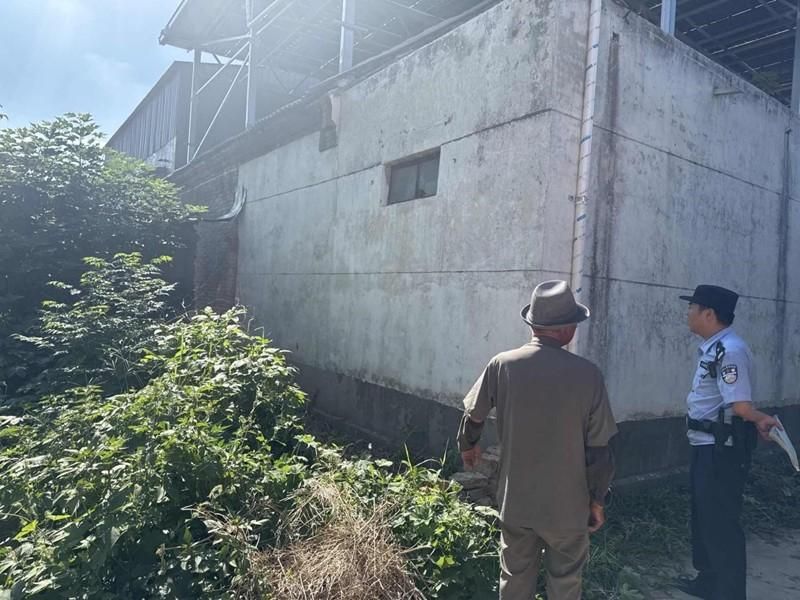
In the 2012 film oskar nominated, “standing flights”, there was a scene beyond common sense: the captain made the plane fly down and down。
Is it true that the plane is flying upside down? This is impossible if it is based on the theory of many textbooks. But the theories in these textbooks are wrong, and the national aeronautics and space administration (nasa) has created a website to criticize them。
This prevailing error theory is that the upper wing is longer than the lower wing, which allows air molecules to move at a longer distance in the upper part, so that the speed must be greater to coincide with the lower air molecules. This theory goes on to explain that, according to bernouli's law, the air pressure is reduced when the speed increases, so that the upper pressure of the wings is lower than the lower, and the wings are pushed upwards。
Nasa describes the fact that up-to-down symmetrical wings, even lower and more bent wings, can generate lifts; this theory does not explain how aircraft are flying upside-down in air warfare and flight stunts。
In addition, although the air above the wing is flowing at a much higher rate than below, the theory is problematic because the upper is fast enough to collide with the lower air at the end of the wing. However, it is true that air pressure on the upper wing is smaller than on the lower wing。
So what makes the plane fly
The nasa presentation noted that there are many theories on how aircraft gain lift and that there is considerable controversy and that there is still no uniformity, but it is now certain that the process of obtaining lifts for objects is complex and closely related to the shape and lift of the angles and wings。
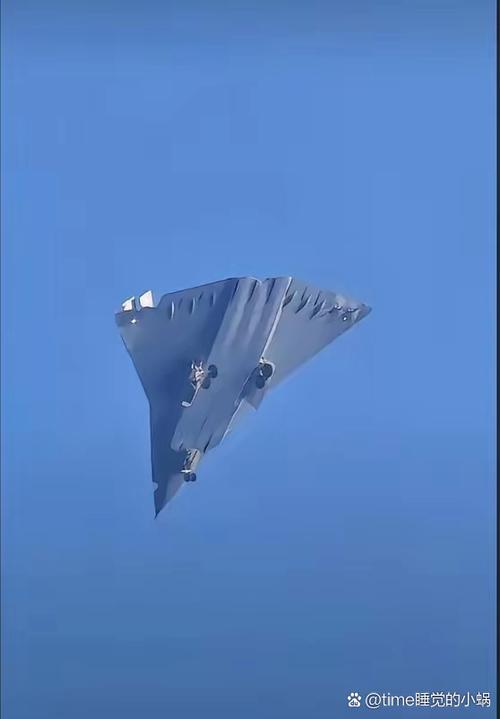
The wing shape is better understood, and the wings we normally see are flattened。
Angularity refers to the tilt angle of windy wings. In fact, more than 70 years ago, humanity discovered an important relationship between ablaze and ascendancy: for a particular wing, the greater the angle, the greater the lift。
The wing's percussion yields much higher liftings than at 1-2 degrees at 5-6 degrees. A moment before take-off, the pilot would lift his head, in order to increase the accelerator and thus the operation of the lift. Even flat wings can take off when they adjust the angles, and that's how kites fly。
If we figure out the function of the perforation and wing of the various wing designs - the lifting factor (the upward factor is positive and the upward factor is generally the greater, the better), then we find that data from the different wings constitute a straight line。
This knowledge was originally derived from a piece of aircraft wings published by the national aviation advisory board (naca) of nasa in 1945, naca technical report 824. The report contains many test data on the wings in the wind hole, which later became the basis for various wing design references。
Interestingly, if the wings were to be turned upside down and retested, the relationship between lifting data and angularity was similar。
The upward coefficients of positive bends (the thickest of the blue line), zero bends (up and down symmetry) and negative bend wings (the thinest of the blue line) have increased as the angles have increased. Source: gudmundsson, snorri.
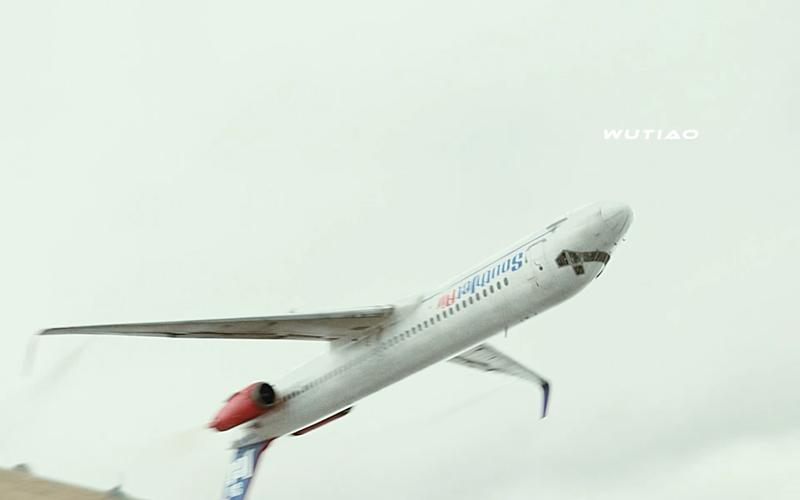
In fact, the design to turn the common wing up and down is called negative size, which can fly as long as the angle is big enough. It's just that, at the same angle, they get less lift, which means they fly harder。
We can also see a demonstration by the university of tvent in the netherlands using model aircraft。
If the aircraft can fly, the aircraft will drive the pole up. As you can see, aircraft models can rise in wind holes when they fly backwards, except for the reduced efficiency。
For the first time in the history of flight, the first person to turn the plane upside down was a french legend pilot, alphoI'm sorry. In 1913, he was driving a one-wing aircraft of the blériot type, showing the trick of flying backwards。
In 1914, a german warrior also learned to fly backwards. This young man, gustav tweer, is wilder, and he not only lets a glade-type single-wing aircraft fly backwards, but also falls backwards。
In 1914, the german pilot gustav tweer, who often flew backwards, landed the plane upside down. Photo by flying magazine
There was also a record of backwards flights in modern sense。
In a crash on 31 january 2000 on flight 261 of alaskan airlines, a md-83 passenger aircraft was lost control of its control owing to mechanical malfunctions, and its head fell down for some time. The crew then tried to keep the head level, flying for about a minute in the air upside down. Unfortunately, however, at this time the aircraft was very close and eventually fell into the sea. This was also the case with the downing of the passenger plane in the " desperate flight " 。
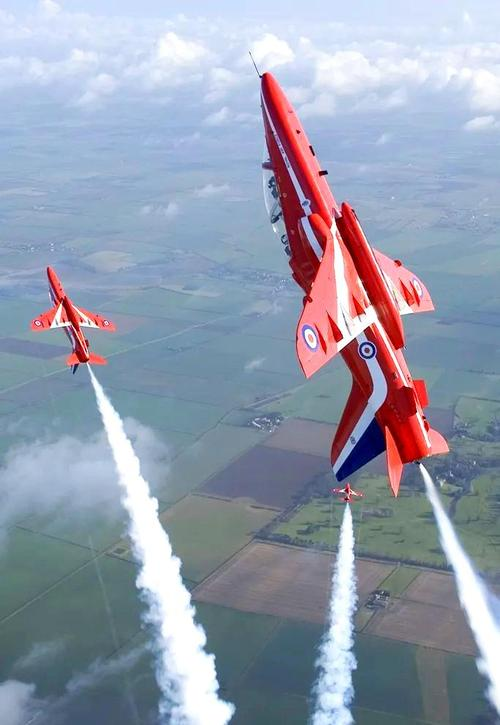
While the upside-down of the wings does not render the wings disillusioned, modern passenger aircraft face other problems when they fall。
One of the major problems is fuel supply. The fuel tanks of the ordinary aircraft were connected to the bottom of the tank by opening pipes for the engine and were not mobile. If the aircraft were to fly backwards, the relative position of the pipeline would become the top of the tank, which would not provide fuel for the engine。
And the oil pipelines that can fly upside down solve this problem. Such aircraft often use active tubes, which are heavy at the end and operational. As the aircraft reverses, the pipeline also turns around and continues to feed the engine。
Another strategy of the stunt aircraft is to use special fuel tanks, such as the header tank located below the wing. Some stunt aircraft, such as the super decathlon type, have fuel tanks above the aircraft, and when the aircraft is flying, gravity is driving down into the fuel pump. However, there is also a tank below the wing, which is connected to the fuel pump. When the aircraft reverses, the tank reaches the upper wing of the aircraft and can use gravity to fuel the engine。
These techniques are the little secret that a stunt plane can play snake skin in the air, but a passenger plane can't。
I'm not afraid of fainting on a plane。
References are stored in graphite at https://shimo. Im/docs/tkyt6d9pv9gqy3tg/