Squids, let's say that the vegetables that are common and delicious in our daily lives are in the front row. If you want to grow big, good, high-yielding cabbage, choosing the right time to sow is the top priority. Today we're going to grow cabbage, when we're going to plant it, how we're going to plant it, how we're going to manage it, and how we're going to manage it
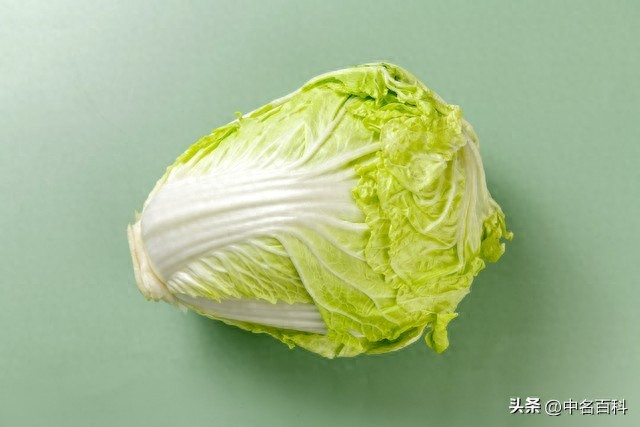
I. Timing of cabbage planting
1. Autumn seeding: in most of our regions, autumn is a golden period for cabbage. As a general rule, during the summer season, from early august to late august, it is best suited to sow the autumn. Why? At this time, the temperature is high and the soil temperature is appropriate, which is very conducive to the gestation of cabbage seeds. Moreover, the climatic conditions are particularly suited to the growth of cabbage as the weather cools and the temperature differentials begin to increase day and night. Cabbage needs a moderate temperature during its growth to promote the formation and tightness of leafballs, and the autumn climate meets this need. In the north, after the fall, the temperature can be kept at around 25°c - 30°c during the day and down to 15°c - 20°c at night, so that large temperatures can accumulate more nutrients and taste more sweeter. Autumn cabbage has a growing cycle of approximately 70 to 90 days, at which time it is sowing, and by late october and mid-november, it will be able to harvest well, just in time for winter to store vegetables。
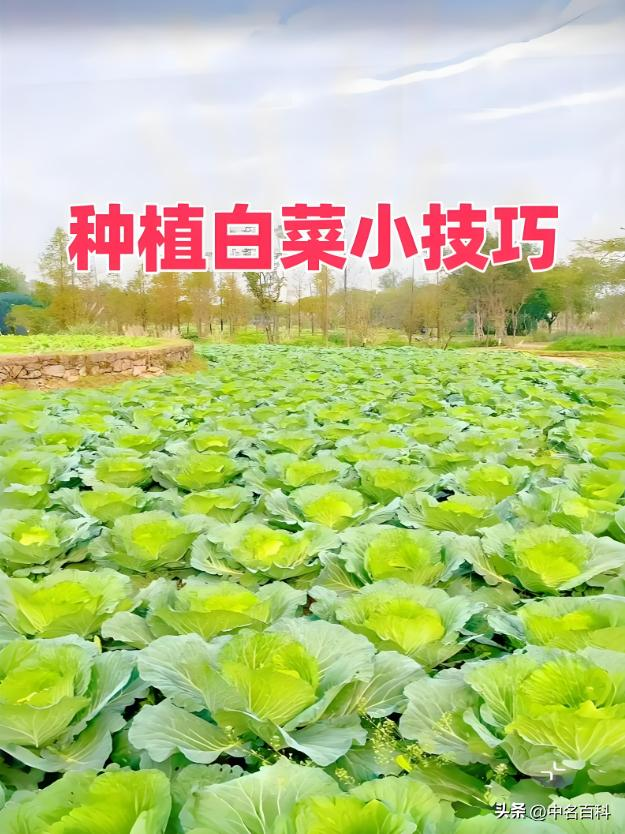
2. Spring planting: cabbage can also be grown in some warmer areas. However, the timing of planting in the spring is more detailed, usually after the end of the local frost, when the soil temperature stabilizes at more than 10°c. During the period between late march and mid-april, the timing will have to be determined in the light of local climatic conditions. In the spring, cabbage is grown mainly to harvest before the summer heat. Since cabbage is not hot, it also affects the quality of cabbage if it is exposed to high temperatures in the later stages of growth and is prone to pests and diseases. In spring, cabbage is grown with a relatively short growth cycle of about 50 to 60 days, so it is important to choose some of the pre-cooked, relatively heat resistant varieties。
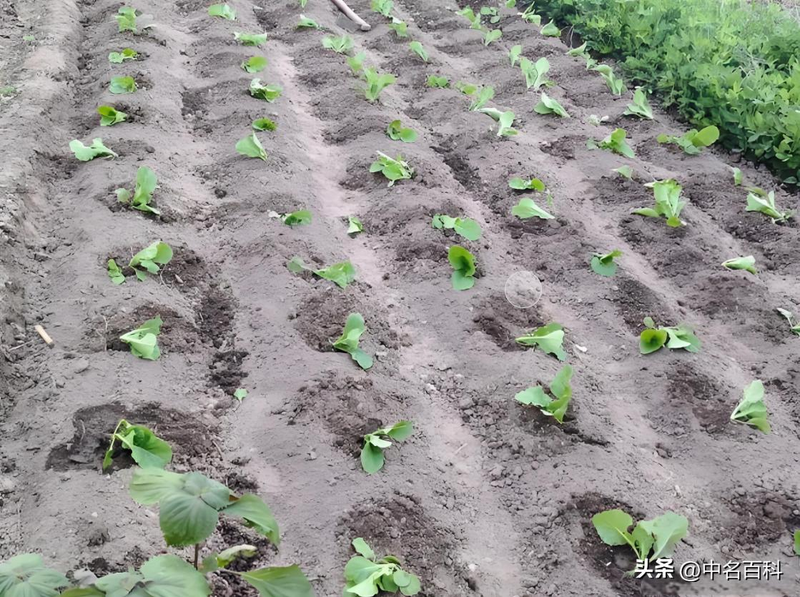
3. Summer seeding: high summer temperatures and heavy rainfall are challenges for cabbage cultivation. But if you want to grow cabbage in the summer, it's between late june and early july. Growing at this time allows cabbage to grow rapidly during hot and rainy seasons, avoiding the adverse effects of high-temperature drought on cabbage growth. In summer, cabbage must be selected as a particularly heat-resistant and disease-resistant species, and in the process, management measures must be more sophisticated in order to ensure its production and quality。
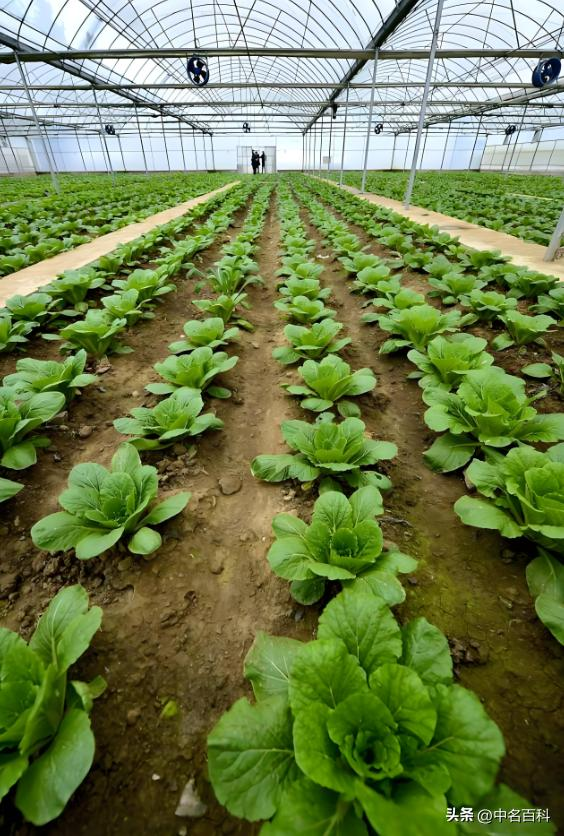
Preparation for seeding
1. Soil selection: while cabbage is not particularly demanding for soil, it is necessary to select the soil to grow good cabbage. First, it's a deep, fertile soil. Deep layers of soil allow the root of the cabbage to stretch better and absorb more nutrients and moisture. The fertile and loose soil is a good aerobic, facilitating the breathing of cabbage roots. It's like sandy earth or border soil that's very good for cabbage. Second, soil alkalinity should be moderate, with ph values ranging from 6. 5 to 7. 5. If soil is acidic, some lime can be sprayed before seeding and soil alkalinity can be regulated; if soil is alkaline, some organic or acid fertilizer can be applied to improve it. Moreover, cabbage is not suitable for replicating, and it is preferable to choose the front crop rather than the plot of crossflower vegetables (e. G. Radish, kale, etc.) so as to reduce the incidence of pests and diseases。
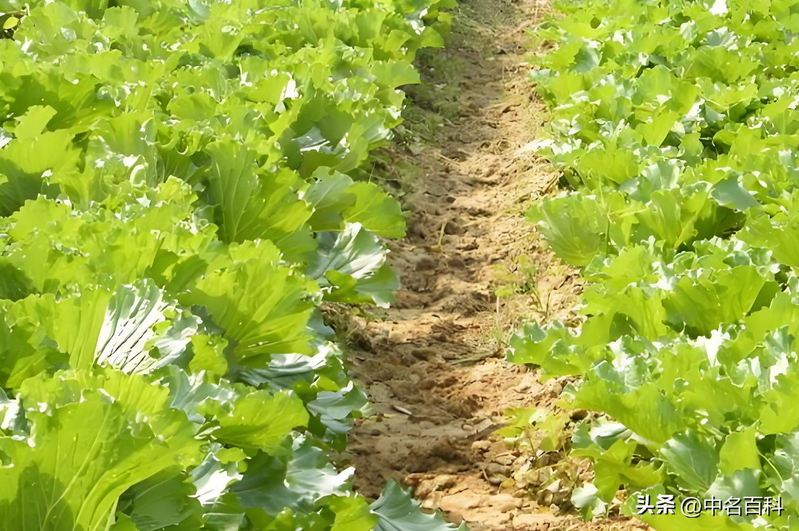
2. Fertilizer preparation: cabbage has a long growth cycle, production is high and demand for fertilizers is high. Before we sow, we have to apply base fat. It is based on organic fertilizers, such as decomposition, composting, learning, etc. These organic fertilizers not only provide comprehensive nutrients for cabbage growth, but also improve soil structures and increase soil fertility. Usually 3,000 - 5,000 kg of organic fertilizer per acre. In addition to organic fertilizers, some fertilizers can be combined, such as calcium phosphate 30 - 50 kg per acre and potassium sulphate 15 - 20 kg per acre. These fertilizers provide nutrients, such as phosphorus and potassium, for cabbage growth, and promote cabbage root growth and foliage development. Fertilizers should be spread evenly on the soil surface and then deep tillage to allow for full mixing。
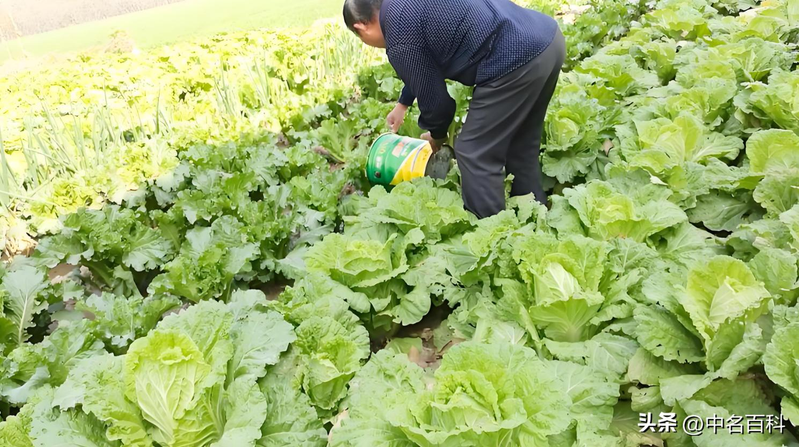
Seed selection: choosing seeds is a key step in growing good cabbage. First, the selection of suitable varieties is based on local climatic conditions, planting seasons and market demand. In autumn, for example, it is possible to select medium- and long-term, high-yielding and high-quality varieties; in spring, pre-cooked, cold-resistant varieties; and in summer, heat-resistant, disease-resistant varieties. Second, we have to select seeds of good quality. High-quality cabbage seeds should be full, disease-free and fertilized. When the seeds are purchased, a formal seed shop is selected to see if the seeds are packaged in a satisfactory manner, with information on the date of production, the shelf life, the description of the varieties, etc. Seeds bought can be disposed of before seeding, such as sun, soak, etc. Sun-burning enhances the vitality of seeds and their growth; soaking allows the seeds to absorb enough moisture to accelerate their growth. When impregnated, seeds can be immersed in warm water for two to three hours, and then dried up, so that they can be prepared for sowing。
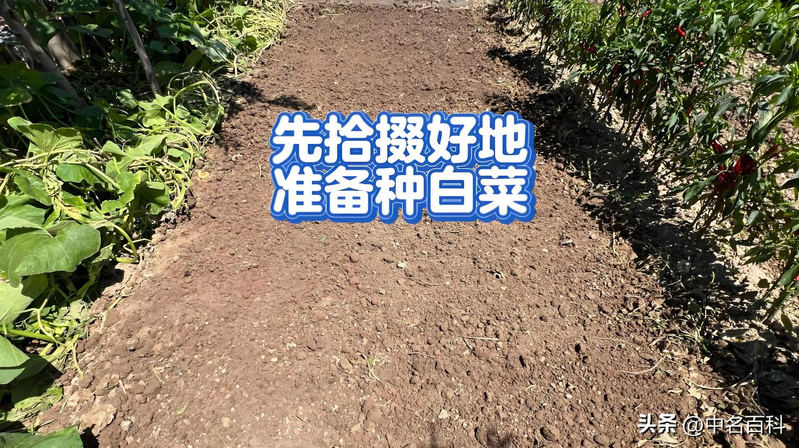
Iii. Solution methodology
1. Live: live is a simple method of planting seeds directly into the ground and suitable for large areas of cultivation. Before seeding, the land should be fined and made to a width of 1 - 1. 2 metres. The length of the plume can be determined by the size of the plot. It then opens a ditch at a certain line distance and range, deep at 2 - 3 cm. The distance between rows is typically 50 - 60 centimetres and between 40 - 50 centimetres, depending on the cabbage variety and the planting season. When the ditch is opened, the seed is spread evenly in it, then covered with fine soil, so that it is light. The planting should be followed by timely watering, soil moistification and seed germinate. Usually three to five days, seeds can germinate。
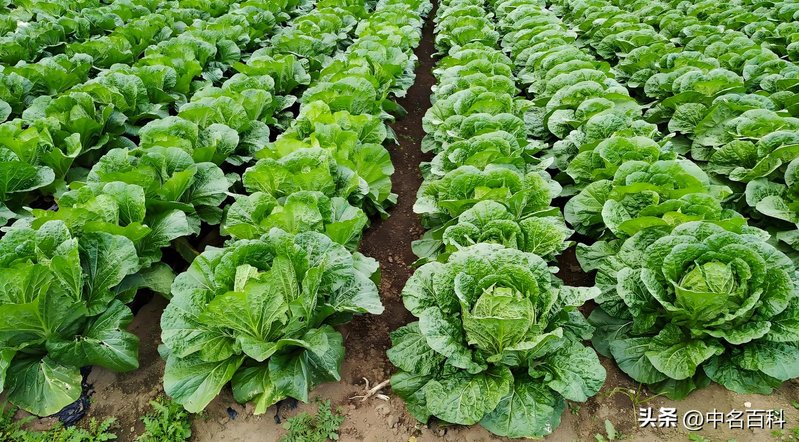
2. Cultivation: cultivation is suitable for small-scale cultivation or use in special circumstances. The first is to prepare a nursery bed, which is to choose where the ground is high, well drained and the sun is abundant. Bed soil, which is fertilized, can be formulated at a ratio of 3:2 to 1:1 from garden soil, decayed leaves and organic fertilizers. The bed is laid on a nursery bed 10 - 15 centimetres thick and then watered. When the water leaks, the treated seeds are spread evenly over the bed, covering a layer of 1 - 2 cm thick。
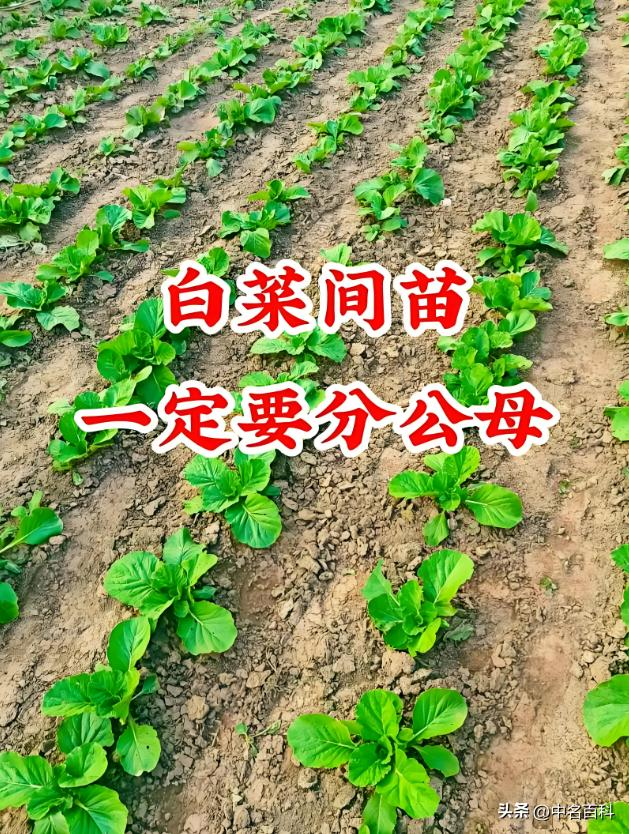
In order to maintain the temperature and humidity of the nursery bed, a plastic film can be covered in the nursery bed. When a seedling grows two or three leafs, it is necessary to create a seedling that pulls out the weak, overtly dense seedlings and keeps them strong. When the seedling grows into five to six real leaves, it can move. Before planting, we have to clean up the planting grounds, apply base fattening, and make a sap. When planting, the choice is to take place in the dark or at evening, which reduces the evaporation of seedlings. On the surface of the plume, the ground of the seedlings is dug at a certain distance and at a certain distance, and the soil is planted into the den, then water is poured and the ground is levelled. Post-planted seedlings should be careful to keep their shades wet and promote slow seedlings。
Iv. Management points after seeding
Watering: cabbage requires water at different stages of growth. During the gestation period, the soil is kept moist and the seed is promoted. Water is usually poured every morning and evening, not too much, so that soil sheeting does not affect seed germinates. The nursery age is small and requires relatively little water, but the soil is also to be kept dry and wet. Could be watered every 2-3 days. During the lotus season, cabbage grew faster and required increased water, with an appropriate increase in the number of water being poured and soil moist. Usually water every 1 - 2 days. The final season is the period during which cabbage grows most strongly and when water is most needed to ensure an adequate water supply. Water can be poured once a day, or the frequency and amount of water can be adjusted as appropriate to weather conditions and soil conditions. When water is poured, care should be taken to avoid flooding, so as not to cause soil to accumulate and lead to oxygen-depletion at the root。
Fertilizers: in addition to pneumatic fertilizers before seeding, in the growing of cabbage, the pursuit of fertilizers is carried out at different stages of growth. In the early years of seedlings, a seedling fertilisation can be followed up in order to promote their growth. 5 - 10 kg of urea per acre are applied and fertilization is done in time for the fertilizer to be dissolved and absorbed by the plant as soon as possible. Lotus time is a critical period for the growth of cabbage leaves, requiring large amounts of nutrients. It can be applied once, with 15-20 kilos of compound fat per acre. Fertilizer is applied by opening a ditch next to the plant, putting fertilizer into the ditch and then covering it with soil. The end of the season is a period when cabbage forms a leafball, with higher demand for nutrients. A single ball fertilisation is to be applied to 20 - 30 kg of compound fertilisation per acre, together with some potassium fertilizers such as potassium sulphate 10 - 15 kg, in order to promote the tightness and weight of the leaf ball. During fertilization, care should be taken to avoid excessive fertilizer concentrations and burn plants。
3. Pest and pest control: cabbage is growing and vulnerable to some pests. Common diseases include froste, morbid diseases, viral diseases, and so on. The principle of prevention and integrated treatment must be upheld for the prevention and control of pests and diseases. First, field management should be strengthened, field ventilation should be maintained, moisture should be reduced, disease strains, leaves and weeds should be removed in a timely manner and pests and pests should be reduced. Second, physical control methods could be used, such as aphid baiting in the field with cedars and insects such as moths with black light. Biological control methods, such as the release of natural insects, can also be used to control the number of pests, or biological pesticides can be used to combat them. If the pests are serious, chemical pesticides are needed to combat them. When chemical pesticides are used, efficient, low-toxic, low-residual pesticides are selected and are used strictly in accordance with the instructions of use to avoid excess labelling of pesticide residues. At the same time, attention should be paid to the safety interval for pesticides and to the prohibition of their use for some time before harvest。
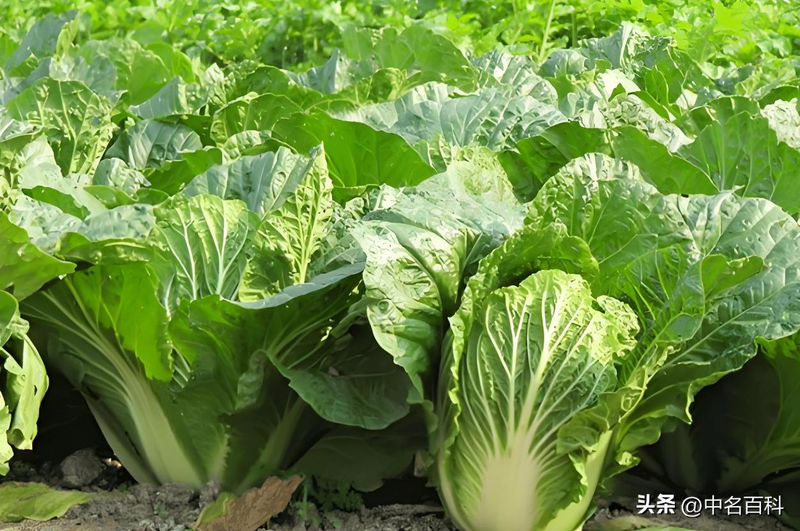
4. Weeding in chinese: during the growing of cabbage, weeding in chinese. Cultivation can deplete soils, increase soil aerobicity and promote root growth. At the same time, chinese farming also removes weeds and reduces their competition for nutrients and water with cabbage. During the nursery age, it is necessary to work on the ground and avoid the root damage, usually at a depth of 2 - 3 cm. During the lotus term, medium tillage can be duly deepened to 5 - 6 cm. During the farming process, care is taken not to damage the leaves and roots of cabbage. Weeding can be done by artificial or chemical weeding. If artificial weeding is timely, weeds are to be removed. Chemical herbicides are selected for appropriate herbicides, which are used in accordance with the instructions of use to avoid harmful to cabbage。
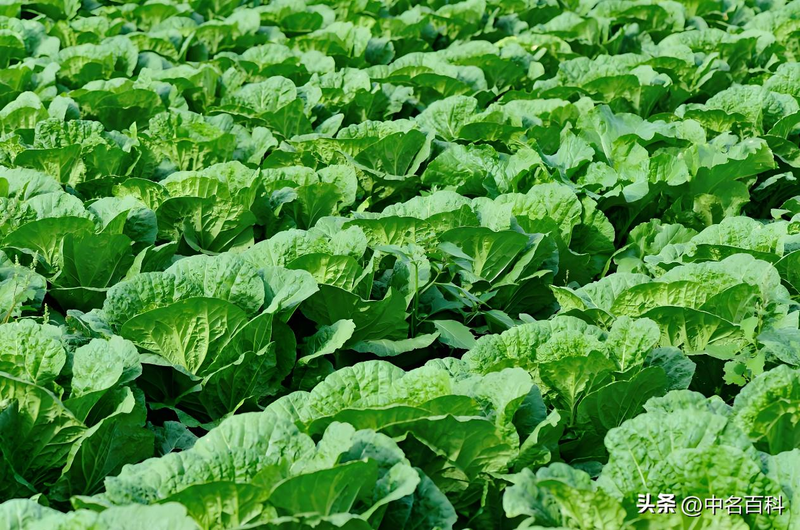
Babies, while growing cabbage doesn't seem particularly difficult, every link has to be done with care. From the selection of seeding times to the preparation before seeding, to the correct seeding methods and fine later management, every step relates to the production and quality of cabbage. I'm sure you'll grow big and good cabbage and reap a full sense of accomplishment. If there's anything wrong with the planting, come and ask me if there's anything wrong