The cabbage is a common vegetable type, growing more in the northern part of the country, is popular and market demand is relatively stable. The production of large cabbage is very high, but problems such as pests also arise in the growing of large cabbage, which affects production and quality. Therefore, to improve the quality and production of cabbage, it is necessary to have good farming techniques. Based on this, a brief description of the technical elements of cabbage cultivation in terms of species selection, seed disinfection, land selection, seeding, fertilizer application and pest control is given below。
1. 1 choice of varieties
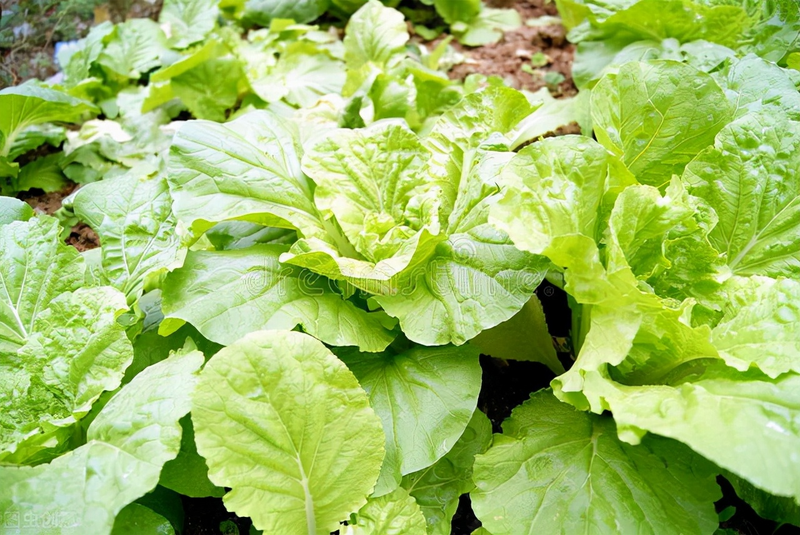
The choice of varieties is critical and is critical to improving the quality of cabbage. First, there should be a choice of locally grown varieties, and it should not be possible to grow new varieties on the market in large areas before they are tested, avoiding the emergence of varieties that are not adapted to local climatic conditions and causing significant economic losses. Second, as much as possible, select the most resilient species. The cold climate in the north is such that preference is given to cold-resistant varieties. Finally, large cabbage is stored for longer periods of time, and the choice of varieties should be primarily for transport and storage。
1. 2 seed treatment
One is to make the selection. The careful selection of seeds, the selection of seeds such as too thin and tetanus, and the assurance that they are as full as possible, are key to improving seed germination rates. Two is leaching and mixing. The selection of warm water with a temperature of about 50°c at the time of leaching, with two hours of immersion, and the mixing of the agent with the seed before planting, help to prevent pests at later stages。
1. 3 landing
Large cabbage roots are shallow and more demanding for moisture and fertilizers, so it is important to choose the soft soil that is strong in water protection. The small grain of cabbage seeds, the soft soil, the growth of the seedlings and roots of cabbage, and the absorption of nutrients in the soil. Secondly, it is important to avoid a connection and to prevent the occurrence of pests. Finally, there is the application of fertilizers, organic fertilizers or farm fat before planting。
1. 4 seeding
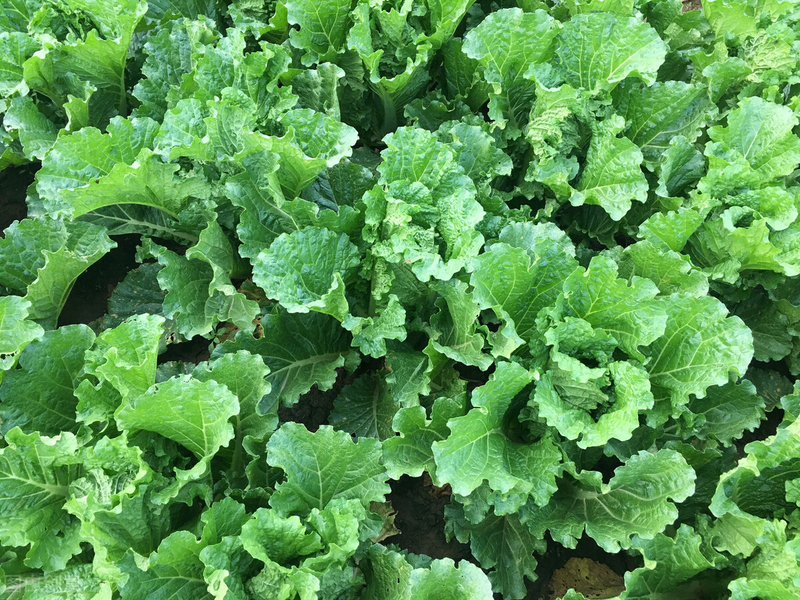
The cabbage is usually broadcast live. Live broadcasts do not destroy the roots and blades of the seedlings, reduce the process of the seedlings and break the ball early. When the area under cultivation is large, it is generally broadcast on a strip. Draws a ditch on the flat, with 1. 0 ~1. 5 cm suitable for spreading the seeds evenly into the ditch, covering the trenches, and can also be properly suppressed, or stomps with a soft foot to reach the seeds and soil. If the soil is dry when seeded, water may be spilled in a ditch before planting。
1. 5 chase fat
Cabbage is growing differently in the long term and at different rates of growth, as are requirements for nutritional conditions. Major fertilization, timing and amount of fertilization should be determined by the growth cycle and growth of cabbage. In the moisture, if the bottom is fat enough, in principle there is no need to chase. If there is a chronic shortage of nitrogen, if there is a short-planted cabbage, if the tissue is rough and hard, the production will decline significantly; but if the big cabbage is over-used, there will be no tolerance for storage, and therefore it should be reasonably applied to ensure the green health of the cabbage。
1. 6 pests
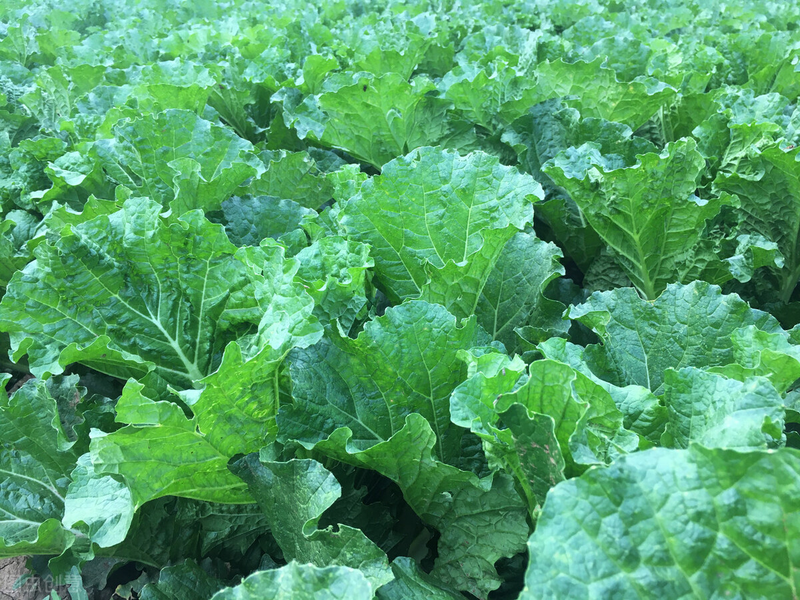
Insect pests are mainly aphids, larvae, beetling night moths and moths. In case of pests, they can be dealt with by spraying chemical reagents, choosing different chemical reagents for different pests, using drugs to combat larvae, aphids, etc。
Pests directly affect the harvesting of cabbage, and prevention should be the primary focus in the planting of cabbage, giving priority to biopreventives, followed by chemical control to avoid contamination of the environment。