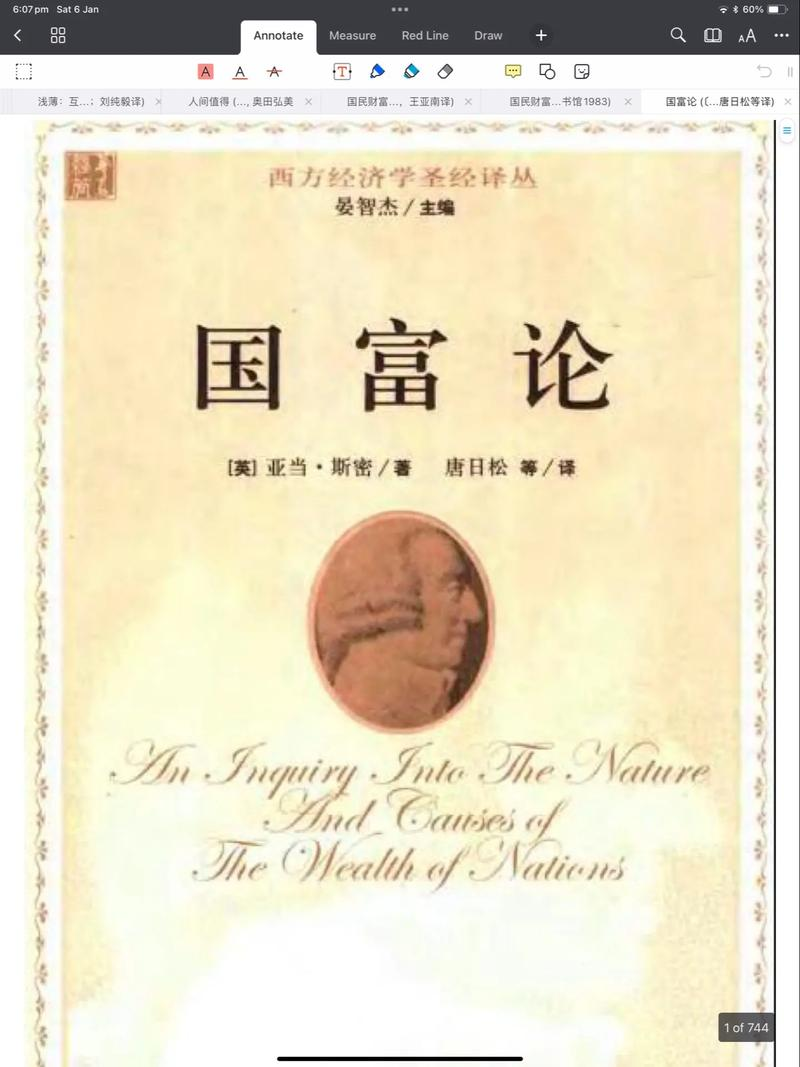
Hey, everybody, let's talk about a super famous book — adam smith's theory of national wealth. The book is not only an opening book of economics, but also known as the “bible of economics”. If you're always shivering, watching the news, hearing the words “unseen hands” or “free trade”, it's the thought behind the book. Today, i would like to give you an easy idea of where the national richness is and why it affects the world economy。
1. Who wrote theory of national wealth
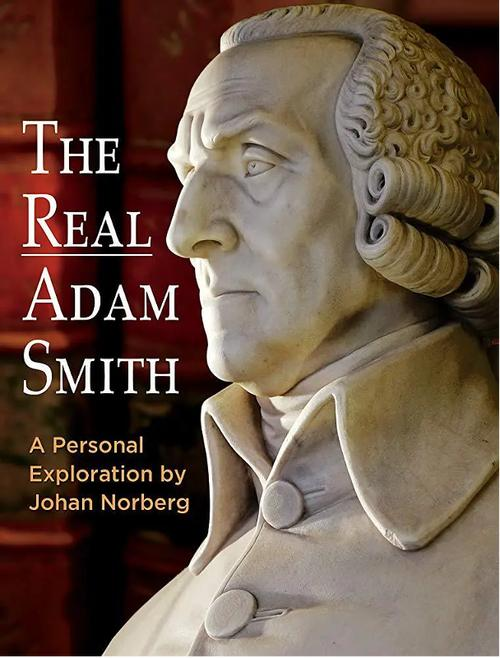
Adam smith, eighteenth-century scottish philosopher and economist, is known as the “father of modern economics”. In 1776, he wrote the theory of national wealth (the study of the nature and causes of national wealth), at a time when the industrial revolution had just begun and economic patterns had begun to change dramatically。
2. What is at the heart of the idea of " state wealth "
When it comes to core thinking, the most famous is the invisible hand. Smith found that when everyone in the market pursues their own interests, it contributes to the wealth growth of society as a whole. It's like having an invisible hand to guide you, and while everyone wants to make money for themselves, the result is that society as a whole becomes richer。
To give a simple example: you open restaurants to make money, you make more money with more customers, you have to offer better food at a reasonable price to attract more people. You inadvertently promoted progress in the catering industry and social prosperity。

Why is the theory of national wealth “the economic bible”
Before smee, economics was not systematic and there was little knowledge of the growth of wealth and the pattern of market performance. The national wealth doctrine systematically explains economic phenomena such as the division of labour, market mechanisms, value formation, and lays the foundation for modern economics。
The theory of division of labour proposed by smith is particularly important. He said that the division of labour could greatly improve productivity. Just like in a car factory, everyone does a small part of it, much more efficient than a single person. This not only makes business more profitable, but also makes goods cheaper and affordable for ordinary people。
Presentation of the concept of “free trade”
Smith stressed that governments should not interfere too much in markets, especially in trade. He rejected the protectionist policy of mercantilistism and argued that trade should be open and mutually beneficial between countries. Free trade allowed countries to use their comparative advantages, better resource allocation and global wealth growth。
This was also the source of later globalization. What we are talking about today is that transnational trade and the division of labour along supply chains can all find a shadow in smee's theory。
5. Impact of the doctrine of state wealth on modern society
From the rise of capitalism to the prosperity of today's global markets, the impact of the state wealth doctrine is everywhere. It boosted the development of market economy institutions, stimulated innovation and competition, and provided a theoretical basis for later economists such as marx, keynes and others。
Of course, smith was also aware that markets were not perfect, and he referred to the role of governments in providing public services and maintaining law and order, which also inspired modern state governance。

Why do we have to read the theory of the nation today
Maybe someone thinks it's too old to write in the 18th century. The answer is yes. Although times have changed, the basic logic of economic performance has not changed. To understand the rationale behind today's wars of stock markets, currency and trade, reading the theory of national wealth is absolutely beneficial。
Moreover, the language of the book is not difficult to understand, and many views are presented in life-style examples, which sound particularly familiar. As historical figures, it is recommended that not only enhance knowledge but also better understand modern economic news。

Summary
Adam smith's theory of national wealth is like a guiding light that lights the path of economics. It tells us that the “unseeable hands” in the market are promoting social progress in silence, and that free trade connects the world with increasing wealth. To understand it, we can better understand the economic functioning of the world # through history # # rich book # adam smith #