Garlic can easily grow slowly, produce low, and have small garlic if it goes down. So in agriculture, the garlic has to be "cool." to calm down, it's to freeze garlic。
As garlic is a cryogenic crop, it breaks the hibernation and stimulates the growth of buds in low temperatures。
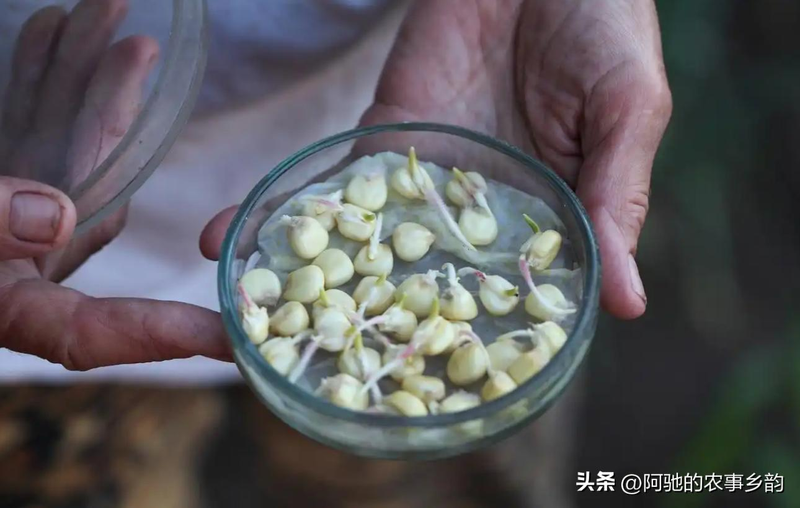
The garlic is still sleeping。
The principle of cold treatment is to cheat the garlic petals "in the cold" and then grow quickly。
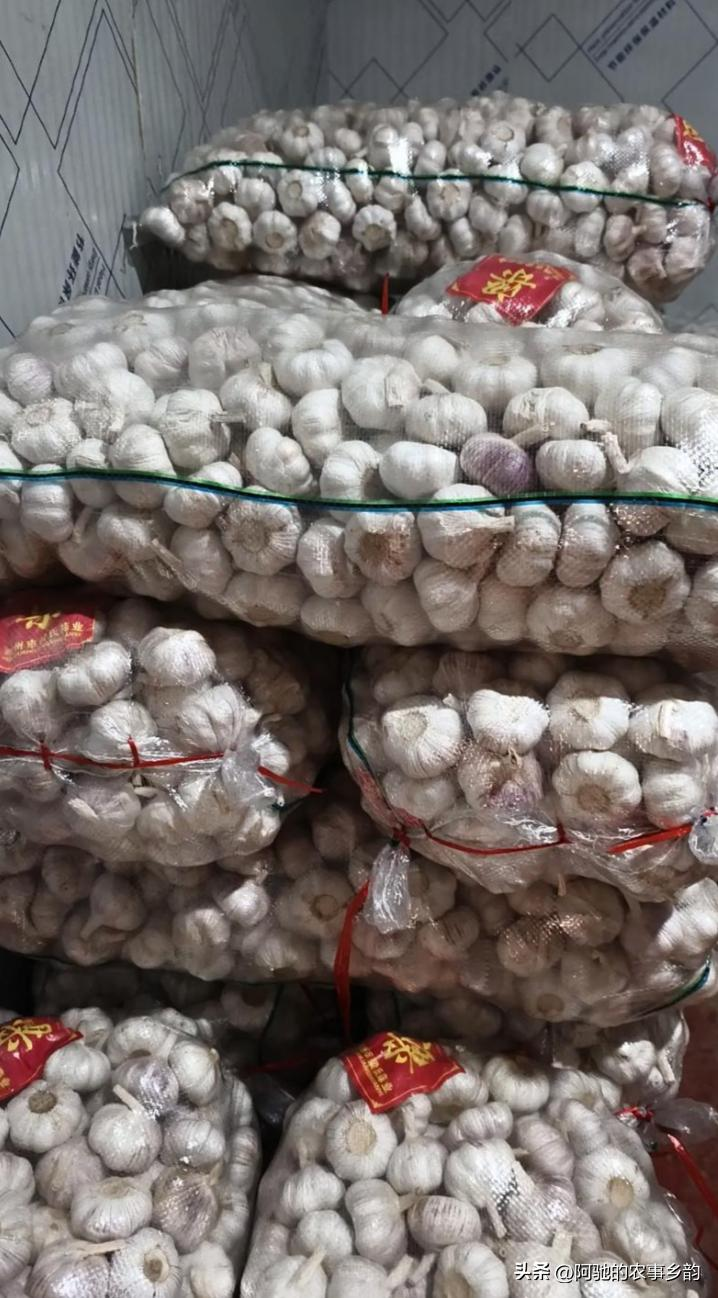
The principles of garlic refrigeration
Garlic is a green spring crop, which must be completed at low winter temperatures before it can grow quickly after the spring warms. When planted, garlic is not fully springed if the temperature of the environment is not low enough, resulting in slow and weak growth。
We're artificially refrigerated, and the core is to activate the rise in the chromosomal content of garlic and to decompose the substance that inhibits germination. At the same time, it promotes the conversion of garlic internal nutrients and reserves energy for germinates. This step is also known in agriculture as “simulation springing”。
Only refrigerated garlic can sow it quickly and germinate early into a rich life。
In recent years, it has also been discovered that post-cooled garlic will form more sprouts and lateral garlic will be larger. So, in general, the next cold grass, not only does it sow fast, but it also grows very well。
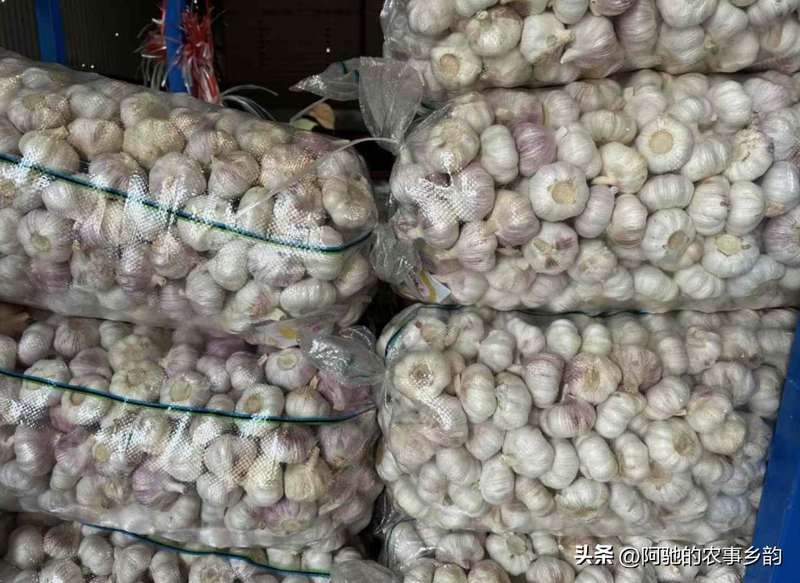
The most important thing for refrigeration is temperature, which is too high to be effective and too low to freeze garlic petals。
The most commonly used temperature range is 5-10°c, which is treated for 1-2 weeks. This temperature zone can effectively break the hibernation without causing freezing of garlic. Lower temperatures, such as 0-3°c, are suitable for varieties that require early extraction, but do not need to be processed for too long, otherwise they may lead to the freezing of garlic petals or to early growth。
In the case of domestic refrigerators, the cooling room is generally at 4-6°c and is suitable for the treatment of garlic. It should be noted, however, that the refrigerator is less wet and that garlic is prone to loss of water, preferably wrapped in wet cloth or placed in a preservation box. There is no such concern because commercial cold storage is more accurate。
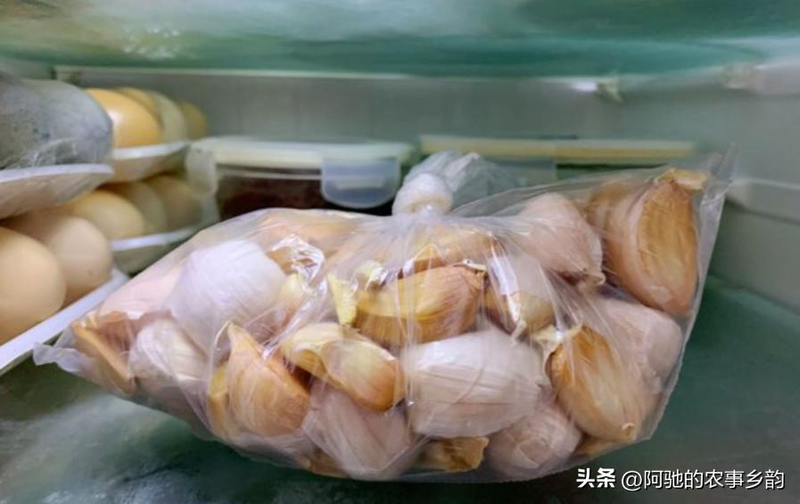
This is what you do when you freeze
First, you choose a healthy, full garlic, ridding yourself of cartilage and damage. Garlic is even, and the treatment is more uniform。
When it is refrigerated, the garlic is not skinned, but the soil on the surface is cleaned. It's wet enough to wear a dry cloth。
And then it's wrapped up in air-freshing material like gauze, paper bags. The plastic bag is inhaled and easily causes garlic to rot。
Finally, they are placed in the freezer room, preferably once a day, to avoid temperature fluctuations or high humidity。
The time for placement is normally 1-2 weeks, and no planting is done immediately after the freeze, with a first day at room temperature to adjust to external temperatures。
If you decide to plant it, you have two weeks to prepare。
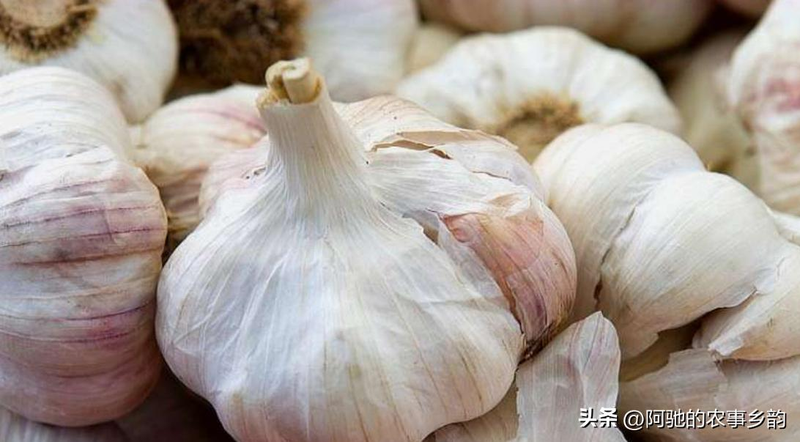
If you don't have the conditions, you can soak in cold water
If there is no refrigerator, cold water immersion is an alternative。
This is done by immersing garlic in cold water for 12-24 hours. The water temperature is best below 15°c and can be grown by leaching and drying。
In addition to cold-water irritating garlic petals, cold-water immersion can also supplement water, with fully immersed garlic absorbing and growing faster. Cold water immersion, however, is not a complete substitute for cold storage because of low temperature duration and limited springing effects。
If there is no cold water, at least the garlic will be left in the shade for a few days. Directly dry garlic has low activity and slow growth。
In sum, garlic refrigeration is an effective means of increasing production and improving quality. The methodology was simple and effective and worth a try。