Tomatoes are one of the earliest vegetable sheds introduced, with a general income of between $3000 and $40,000 per standard shed, but there are also examples of higher income levels, mainly in the following areas。
I. Improving the temperature of the shed. Way with cucumber。
Selection of good varieties. In order to grow, they are selected to be low-temperature, weak light, high yield, low deformity fruit, thick meat, durable storage, good merchandise, strong resistance to disease and strong infinity, such as sunrise pond, sunrise crown 1。
Iii. Arranged mouths. It is desirable that tomatoes grow early, preferably early in july, and early in august, so that they can harvest 4 to 5 layers of fruit when they fall late to the second year of spring-spreading watermelon, and that winter-spreadable tomatoes can top up to 6 to 7 floors of flowers, with cutting and replanting, and 5 to 6 floors of fruit, each of which can harvest 11 to 12 floors of fruit, in order to be more effective。
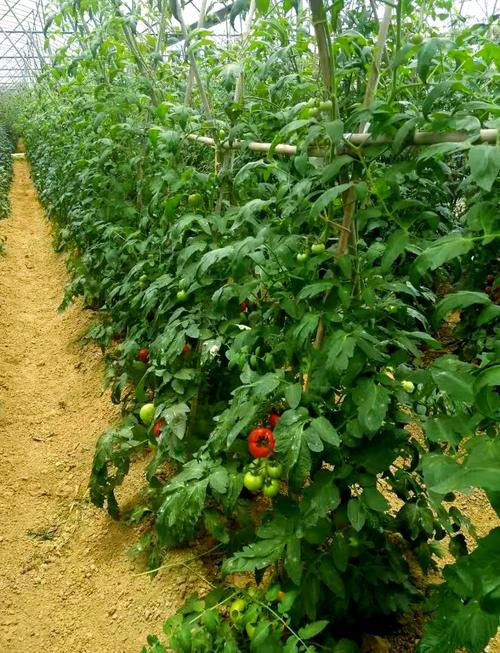
Iv. Cultivation of strong seedlings. As the saying goes, “50% good harvest” is half the success of planting. In july-august, tomatoes are usually given to growers, who are used to growing in large sheds, so that the seedlings are susceptible to pests and pests during the nursery season, and are not able to use the summer heat to sterilize the huts with high temperatures. It is therefore advisable to build a shelter outside the sheds, where the summer hot sheds are used for disinfection。
(b) the construction outside the shed of flat lids, with a width of 1. 2 metres, approximately 6 metres long, with a frame of 25 centimetres high, to be solid enough to prevent the entry of rainwater, with a bow shed, with a ceiling of 1. 8 metres wide and a height of 1. 5 metres, with a membrane covering in the upper middle, with light, cooling, rainproofing, with no membrane covering on both sides, and with an anti-worm net to prevent infestation. Saplings grow fast in the summer and can be planted for about 25 days, so they are generally unscathed and nourished by 8 cm x 8 cm. In the summer, the most susceptible to viral infections occurs, so seeding can be administered for three to four hours with fresh water and 20 minutes with a 10% sodium phosphate solution, effectively preventing seed poisoning. After cleaning up, seeds are loaded into sandbags and incubated in 25-28 degrees sprouts, and half of the seeds are seeded when they are white. The main components of summer nursery management are scientific watering, anti-fouling, anti-verbicide and anti-virus disease. The pre-sap surface is to be covered with sunnets to cool and humid, and after half of the seed topsoil, choose to remove the cover by evening. The old membranes in the shades must always be covered, and when the soil comes out, water must be wet and dry, i. E. When the surface drys, water must not be watered for the seedlings that are protected from it, resulting in the formation of old seedlings. When saplings are found to flourish, the first is properly controlled watering, the second is the distance between saplings, which increases the area of nutrients, and the third is the application of 60-100 ppm of foliage to prevent it. After seeding, 10% amphibian amphibian 1,500 times liquid plus 20% virus a 500 times liquid, anti-worms, anti-virus disease, 5-7 days。
5. Rational planting. The first half of the month of planting is to remove the left leaves of the pre-planted vegetables and the sick and sick, and to remove them from the sheds and bury them or burn them. Each acre is fully decomposed in 10 ways, plus 80-100 kg of calcium phosphate, 25-30 kg of potassium sulphate, 20-30 kg of urea, plus 1-2 kg of micro-elementary fertilizer boronate (us$ 2 per pound), magnesium sulfate 5-10 kg (us$ 1 per pound), iron sulfate 3-5 kg (us$ 5 per pound), zinc sulfate 3 kg (us$ 1 per pound) for base fat. It's spread evenly behind the surface of the earth, tumbling 30 cm deep. High yield efficiency is possible when bottom feet are on bottom. 垄 80 centimetres wide, 60 centimetres wide and 15 centimetres tall. When it's done, water the bottom of the foot, with 5% fungus to poison 100 to 150 times the surfaces of the squirm, cover it up, shut it down, and make it warm. 7 to 10 days to kill insects and fertilize soil. The day before the planting of the seedling, the nursery bed poured water and sprayed 72. 2 per cent of the prick water with 800 times more fluid and 10 per cent more than 1,500 times more vermin to combat the disease. The plant is grown at a distance of 60 cm in small lines, 80 cm in large lines and 45 cm in size, with more than 2100 units per acre. Note that seedlings are to be graded for the purpose of laying their roots in depth, which can easily lead to “black pole disease”; when planting the seedlings, the first ear buds are directed in the direction of large lines, so that in the future the fruits will be bright and the colour will be even。
Vi. Scientific management. When tomatoes are planted, the high and low income depends mainly on whether they are managed in a scientifically sound manner, and only if the most appropriate environmental conditions are created for the tomatoes on a scientific basis can they be productively effective. In the middle of the day, the huts open their curtains, clean their film, increase their perceivability, when the temperature rises to 30°c to open the roof and sews the ventilation, the size of the vent falls within 5°c after the ventilation, down to 22°c closed in the afternoon, curtains before sunset, and at least 12°c before the curtains are unveiled in the morning. There is no ventilation in the middle of the day. The snow should be cleaned up in a timely manner, the curtains should be duly revealed at noon, the curtains must be removed during the day, the curtains must be covered at night and the cold-proof film must be placed outside. It is important that the sun and snow be clear, so that the shades are not ventilated, so that the temperature of the sheds rises slowly, so hot that it becomes too hot and so prone to atrophy. Vagina, snow days, prone to disease, is administered as a drug for prevention, with 25 grams of urea per barrel, 20 grams of potassium phosphate, supplementary nutrients for tomatoes. When the temperature in the snow shed is too low, iron stoves can be lit in the shed to keep it warm. In august, tomatoes were most likely to grow and thrive, mainly by watering, so that bottom water was not used to water until the first ear grows to the size of the walnuts, so that only small water was used in times of drought, and much of the water before planting the first ear of the walnuts was the main reason why tomatoes thrived. When the first pecan is big, the first fat watering is carried out, with three cents of compound fat 15 to 20 kg per acre, and the second and third walnuts are followed once, with 10 to 15 kg of urea per acre and 8 to 12 kg of potassium sulfate, usually followed by water. The water must be chosen in the morning of the day, with the opening of the vents at noon, so that the disease can be effectively prevented. Under the low-temperature membranes, the water is less irrigated, preventing excessive irrigation from causing excessive temperature decline and affecting the normal growth of tomatoes. Tomatoes in the shed usually use a single pole in whole, leaving only one main pole, and all the side branches are removed. The swire is selected in the morning, so that the wound can heal. When the first fruit is green (the fruit grows to its maximum and the top is white from green), when the first leaf is green from the first fruit and the second leaf is green from the second fruit, then the second leaf from the second fruit is so pushed as to contribute to the radiance, reduce the inefficient consumption of nutrients and prevent the spread of the disease. After the flowering of five of the poles planted in the fall, two to three leaves were left above the ears. When the main poles planted over the winter have been condensed to six to seven saps, two to three leaves have been taken to the top of the ear, and a side branch has begun to be set on the pole, and when the fruit harvest has been taken on the poles, if each tomato produces a side branch, a strong side branch will be selected in the base and the old branch will be cut off. If there is no side branch plant in the vicinity of a plant, the tomato is thrown down, a side branch is picked to grow in the base, and a side branch is chosen to grow in the upper part of the plant with a sideless sideline. The second one is a five to six layer of fruit. In winter and spring, the temperature is low and the light is weak, and tomatoes are not easy to bear and are therefore protected. Precautions are best sprayed with 25-50 mg/kg of anti-depressants (togrets) when three to four flowers in one bouquet, and 50% of the 0. 1% of the velvet anti-plaster. The use of anti-depressants is less expensive than the use of 2. 4-d points and less susceptible to drug abuse, but 2. 4-d is not allowed to spray, otherwise it is more likely to occur. Tomato cultivation is also subject to flowering because of the plethora of flowers, the size of the fruit and the poor commerciality. Large fruit varieties range from 3 to 4 per ear, medium fruit varieties range from 5 to 6 per ear, and the first and second tiers can be properly kept to prevent fallout. The result is usually “sniffed to the middle”, i. E., the first one is not left behind and the back is not left behind, so that the fruit is the same size and the merchandise is good。
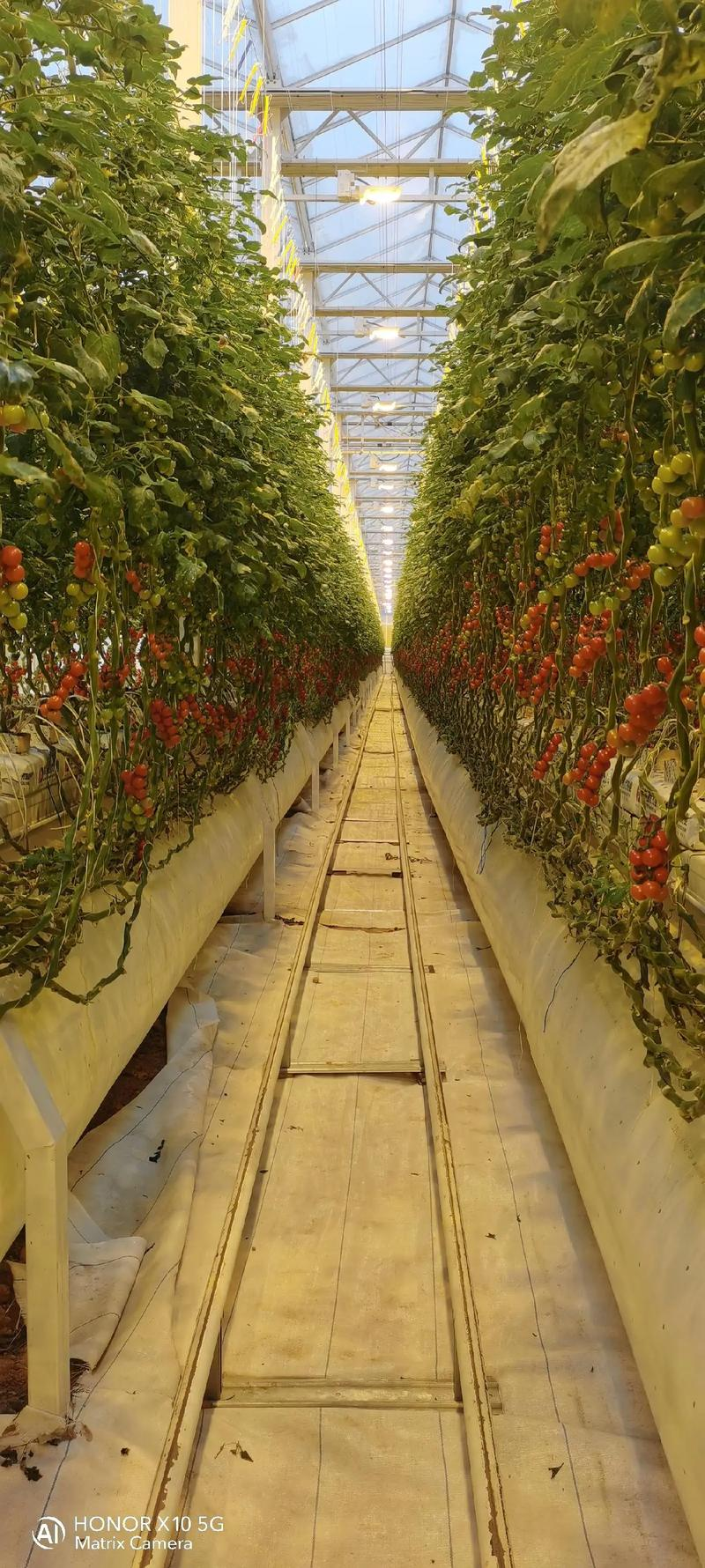
Seventh is the strengthening of pest control. The key to pest control is “preventive”, mainly by reducing the source of pests by removing pre-dismantling diseases and disabilities, by creating clean and clean farming environments through the disinfection of hot and shabby sheds, by using agricultural measures such as watering under the morning membrane, timely ventilation and wetting to control air moisture, and by using pesticides, which are generally prone to disease in the midst of continuous pyroclastic, rain and snowy vegetables, so it is important to observe weather forecasts and to prevent spraying before the pyroclastic, rain and snow. When pests and pests are detected, leaves and fruit are removed in a timely manner and medicines are used to treat them。
The main causes of the disease in shandong are shrunk, dead and premature diseases, plagues, fretilin, asymptomosis, tubular (black rod) and umbilical diseases. The main pests are white ticks, aphids, twilight flies and cucumbers。
Sudden diseases, detached diseases are mainly disinfected by the application of the 1 gram of liquid seedling soil per square metre of 95 per cent of the green one, 1 gram of 3000 times the seed-basket soil. Upon detection, 90 per cent of the fungus humid powder is removed and sprayed in a timely manner, or 72. 2 per cent of the prick water agent 600 times the fluid, or 30 per cent of the wide dead spirit 1,000 times the fluid, or 58 per cent of the gredomil-manganese zinc humid powder 500 times the fluid, or 3. 2 per cent of the pneumatic agent 300 times the fluid. Sprayed once every 5-7 days and 2-3 in series。
Premature disease can be used for 58 per cent of the 500-fold irradiated manganese zinc; or 70 per cent of the 600-fold prophesin; or 64 per cent of the 500-fold venomicide; an acre-based liquid 50-60 kg, 7-10 days. The protected area can be used for 50 per cent of garrinon; or 5 per cent of the 100-bacterium dusting agent, with an acre drug of 1 kg. Scratch of the penis can be used first with a knife and then 50 per cent with 180-200 times more lice and a small amount of flour。
In the early stages of the disease, the disease can be sprayed with 0. 5 per cent of the os-strell (shell) water agent 300-500 times the fluid, or 52. 5 per cent of the fast water-purification dispersed particle agent 1,500-500 times the fluid, or 72 per cent of the gram of quenchable powder 500-600 times the fluid, or 69 per cent of the acre of manganese humid powder 600 times the fluid, 50-60 kilograms per acre, between 7 and 10 days, and 2-3 consecutive treatments. The acre can be treated with 45% of acres smoker 200 - 250 grams or 5% of a kilogram of dust spray, one in nine days。
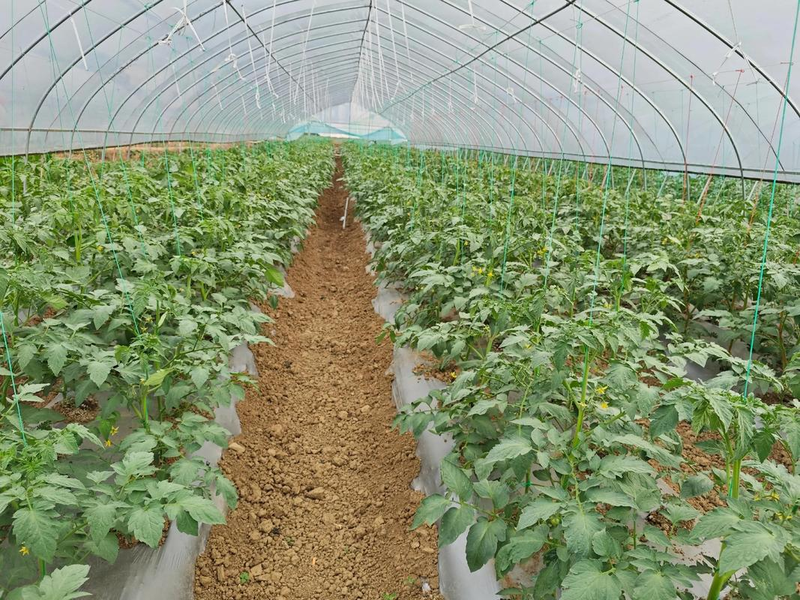
In the early stages of the epoxin outbreak, the 2% vulcan (bo-10) water agent was used 100 - 150 times more liquid, or 2% of the ciracin (correcin) liquid was 20 ml/l, or 47% of the garrinon wettable powder was 700 - 800 times liquid, or 60% of the more than vinyl hydrochloric acid (preventable) was used 600 times as wet powder, and the acre sprayed liquid was 50 - 60 kg. One in 7 to 10 days, two to three consecutive sessions. In the shed, 45 per cent of the 100-bacterium fumigants can be used at 250 grams per acre at a time, smoke 1 night or spray 7 per cent of the pyroclastic dust at night, or 5 per cent of the gary farm dust at 1 kg per acre at a time, from 8 to 10 days, with a rotational application。
As a result of the cold, high-wet condition of the disease, the ventilation and wetting should be enhanced. Water should be poured in the morning and the fruit, leaves and branches of the disease should be removed in time for the disease, and burned or buried in plastic bags. It's for critical periods. Fifty per cent of the hygienist humid powder 1,500 times the fluid is sprayed with tomatoes before planting. Add 50% of the 0. 1% of the crackling at point time. 3% of the polyoxidant 900 times the fluid, or 50% of the hygienist humid powder 1,500 times the fluid, or 25% of the cytamine (causing a hundred grams) emulsifiable cream 1,000 times the fluid, or 40% of the cedar fungus nuclei 1,200 times the fluid, or 50% of the hygienic powder? 800 times the humid powder of the fungi (mulex) 7-10 days, 3-4 times. Be careful to rotate or alternate medicine. A 3% gray-coloured smoker can also be used at 150 grams per acre or 10% corrodant at 250 grams per acre, one night smoker at 7-8 days ' intervals, and can be sprayed at 5% or 6. 5% sulfur at nighttime。
The control of tubular decomposition (black pole disease) is best achieved by using 40 per cent of a square metre of topsoil as a double 9 gram for planting, which, after full mixing, fills up the base of the disease, burying the disease in order to induce it to grow unstable roots above the disease, which can delay life and yield. In addition, 35% happiness? 800 times more humid powder in the early stages of the onset of the disease, or 1,200 times more in the 20% methyl parathion emulsion, or 3,000 times more in the 95% plasma (green hen 1). A small amount of flour can also be painted with 78 per cent of the kobo-moisturable powder 200 times more。
The cause of this disease is the lack of calcium in the parts of the disease, as calcium is distributed in the order of the old leaves, the young leaves, the sprouts, the fruit, and the lack of calcium tends to occur on the fruit. The response is to strengthen environmental regulation and balance water supply. Second, after 30 days of fruit (calcium deficiency sensitivity period), the leaf is sprayed with 0. 5-1% calcium chloride + 5 ppm acetic acid + small vitamin b6 (to prevent the formation of herbic acid)。