Plantation techniques
Feeding
(1) slim beds
A month before the planting, the white technique was turned over, covering 30 centimetres of weed, decontaminating the soil, preventing pests and infestation, and then turning the ashes into the soil. If the soil is not burned, the soil can be turned over in the first winter, and the soil is fully weathered by freezing. The land is treated to 100-130 cm wide, about centimetre-to-cm high, with an arced face, high in the middle and low in the surrounding area, with 150-225 doses of human urine per hectare used as base fertilizer。
(2) sowing
It is advisable to sow seeds in warm water in arid areas for 24 hours from late march to early april, where sand is mixed into the fields, and not soaked where water is available. It's broadcasted separately and by stripping. 150-112. 5 kg of seeds per hectare, 300-450 kg of seeds per hectare, and approximately 140-150 kg per 0. 5 kg of general plant. It is broadcast from 60 to 75 kg per hectare at a distance of 16 centimetres and spreads from 6 to 10 centimetres to shallow trenches. It's about three to five centimetres deep, and the bottom of the ditch is flat, making it consistent. The ground can be smoked to cover 3 cm, and 1 ha of seedland can be used for 150 hectares, and the soil should be kept at sufficient temperatures before seedlings occur, or it should be covered with artemisinin-based grass or fertilizers to avoid soil sheeting (beijing usually watered two to three times). The latter approach is common and easy to manage。
(3) shrimp management
After the seedlings are released, they go to a dense seedling and a sick seedling, and weeds are made in time, and they reach a height of 3 to 6 centimetres. The grass is intended to serve the purpose of shades by watering them in the event of drought, or by placing branches or covering grass between rows. At 5 to 6 cm height, seedlings can be established at a distance of 6 to 10 cm, which is followed up by one to two times during the nursery period, with 2250 kg of urine per hectare plus three times the water, with the advantage of septic or urea。
It was not too much to use, and the period between late july and late september was the root formative period, which led to the pursuit of extra weight。
In late october and in early november (before the fall of the frost) when leaves were yellowened, seedlings began to be dug, the sun was chosen to remove the leaves and the roots of the shrubs, the leaves were cut at one centimetre from the top, the main sprouts and the root skin were not injured, and the dryness was stored two to three days after the skin of the white water molecule。
(4) plant storage methods
Choosing dry and cool areas to avoid sunlight, using bricks to make boxes, first laying three to five centimetres of sand, then laying a layer of 9 to 12 centimetres of plant, and then putting a layer of sand up to 30 centimetres of height, with a few swirlings of straw in the centre to facilitate the ventilation. The top layer of sand or earth should not begin to be too thick to prevent fever and fever. When winter is cold, it is covered with straw, the sand is dry and wet, the sand is soaked that the water is soaked, and the sand is soaking early. The plant is inspected every 15 to 30 days during its storage, and it is discovered that it should be released in time to avoid causing decay. If the trick starts, it's to be flipped in case the bud grows. Small quantities are stored in tanks, the mouth is covered with sand or covered with green pine leaves, which should be replaced at any time after drying up, and should be checked regularly and decomposed immediately. Digging pits: digging a pit 100 cm deep in the cavity, depending on the size of the plant, laying the pit 15 cm thick, 5 cm thicker, cooling 30 - 50 cm maximum, 10 - 20 days check. The other is open-air storage, which is where the cleavages don't come out and stay in the field for the winter。
(5) choice
It can be done after harvest and before seeding, but with a post-harvest sorting technique, both high and low on the basis of quality, the disease is eliminated. Criteria for selection: full shape, pest-free, fully engrained, long upper root, lower circle, large as a frog, with small and delicate roots, with small or no roots, and of good quality in mountain breeding. Where the technique is deformed, the top of which is woody, the roots are thin and thin, the roots are thick and grown in the low mountains, the quality of which is low, the growth of which is poor, the disease is easily infected and the choice is not appropriate。
The whole subterranean species can be planted from late december to late march of the second year (winter to spring). Early or delayed periods may generally be based on soil and climatic conditions. The early seeding takes root, and then it sprouts, with deep roots, strong growth, strong resistance to drought and strong fertilization. The shallow areas of the earth are cold enough to delay planting in february/march. The next species, at a depth of about 5 to 6 centimetres, are sorely sprouts that they are not beautiful, and cold places are prone to freezing and over-planting are difficult to extract, long and low quality。
Cultivation can be done in two ways, stripping and cave planting. The former are 200 cm wide, the latter 130 cm wide, with a range of 26 cm * 13 cm and 20 cm * 13 cm, etc., and the lower plant density is 15000-180,000 hectares per hectare, with a planting capacity of about 750 kg per hectare。
Field management (1)
Light pine soil, in principle, is free of weeds in the field, before the seedling is released, weeding is done when it is 3 to 6 centimetres tall, and weed cannot be removed when the dew is dry, otherwise it is prone to iron leaf disease. The second half of july to the second half of september coincided with the first and second run of january。
(2) following fat
The use of base weight is dominated by decomposition or composting. Base fats used 11250 kg of human urine per hectare and 375-525 kg of calcium per phosphate. In the first half of may, the seedlings were almost complete, with thin human urine once at 7,500 kg/ha. Before and after the end of the period, white art was the most fertile and growing throughout the reproductive period, with the highest growth rate and the fastest expansion of the underground root tubers, typically 15,000 kg of manure per hectare and 450 kg of calcium per phosphate during the flowering period。
Method: the soil is released after a small lacuna has been opened, and dew in the morning。
(3) irrigation drainage
The white arts have no fear of heat and humidity, and attention must be paid to drainage. If drainage is not smooth, it will prevent the strain from growing and become susceptible to disease. The field is water-prone, and attention is paid to digging trenches, ditches and running water in time for the rains. In late august, there was a marked expansion of the root tubing, requiring some moisture, such as proper water for prolonged drought and maintenance of humid fields, which otherwise affected production。
(4) special management
1. Remove the buds
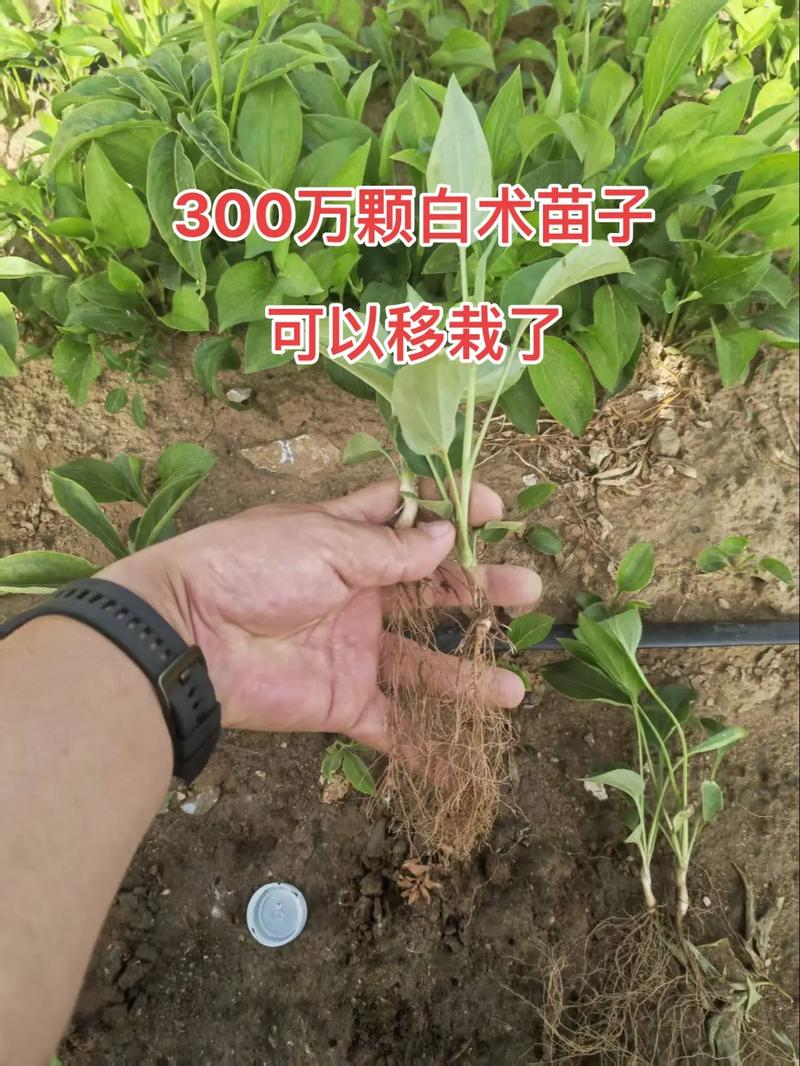
In order to boost the growth of the concentrated supply of nutrients, the rest of the plants, with the exception of five to six buds per plant, have to be properly prepared, usually in two to three picks in 20 to 25 days between mid-july and early august. The picking of flowers takes place when the flowers are scattered and the bouquets are slightly yellow. It is not appropriate to be premature or late, to pick the laces too early, to have a small platter, to grow badly and to consume too much nutrients later. It's a lot easier to take off. Hold the trough with one hand and pick the flowers with one hand and keep the leaves as small as possible to prevent the shaking of the roots of the plant and to cut them off with scissors. The rheumatism takes place in the middle of the morning, when the level of the rain rises, so that the rain does not soak into the wound, causing disease or decay。
2 grass against drought
White arts are planted in mountain areas because of poor soil structure, weak water protection and poor irrigation. After the rains and before the summer, the ground can be covered with fresh grass to prevent excessive evaporation of soil water. In plain areas, weeding can be carried out, in addition to membrane techniques, i. E. Drought and weed growth and disease。
(5) selection of good castes
Before the white guillotine is removed, the choice is large, the upper part is larger, the upper part is robust, the pest-free plant is reserved for seeding, the early and large crop of each bud is cut, and the late and small guacamole is used to enrich the crop. After winter, when the leaves under the artery age, the stem is cut back and hanged in a well-soiled place, with 10-15 days to remove the seed of the disease and infestation, which is thin, and stored in a bag or paper. If a larger number of seeds are left, it is not possible to cut the mantle back, but only to put the fruit back in the venom and shade, and then dry the seeds out of storage for planting。
Insects and pests and their control (1) platinum disease
It's also called "black sugar." during the high-temperature rainy season in the months of april to june or august to september, especially in the form of adhesive soil and poorly drained water, white hairs of white silk (bacterium of transvestites) were initially found to have been gradually expanded from the vicinity of the arteries, covered with soil and mudslides; and, at a distance of 0. 6 to 1 centimetre from the soil, 16 to 20 centimetres from the surface, along the main roots or under the surface, with small changes in the size of the main roots or in the fine reports, of small rice particles (bacterium nuclei), which were made white, later became light yellow and later brown, with serious symptoms, white art roots decayed, and the soil surrounding the art stands became black, smelled and smelled and spread rapidly。
Methods of response:
1 and crop rotation in the grasshopper。
Select a non-pathological plant and use 50% debacteria to impregnate the next seed。
Fifteen kilograms of quintozene per hectare were used to treat soil before the 3 species。
The strain is dug out in a timely manner and the pits are disinfected with lime。
3 irrigate the disease area with more than 50 per cent of the fungus or 50 per cent of the methyl tobuzin 1,000 times the fluid。
(2) plasma
It's called a squirt. In the early spring, the disease of the seedlings was severed by the rain or soil slabs, and the seedlings suffered from a brown, dry dent in the base, causing them to die。
Methods of response:
1 soil disinfection with quintozene per hectare before cultivation。
During 2 cases, quintozene was administered 200 times the fluid to the area。
(3) iron leaf disease
It happened on the leaves, which were black and white in the middle of the post-mortem class, with little black spots。
Methods of response:
1 cleaning of field sanitation and burning of sick leaves。
At the beginning of the 2 cases, 1:10 opoldo or 50% debacterium per 1,000 times the dose, 7-10 days and 3-4 consecutive times。
(4) rusty disease
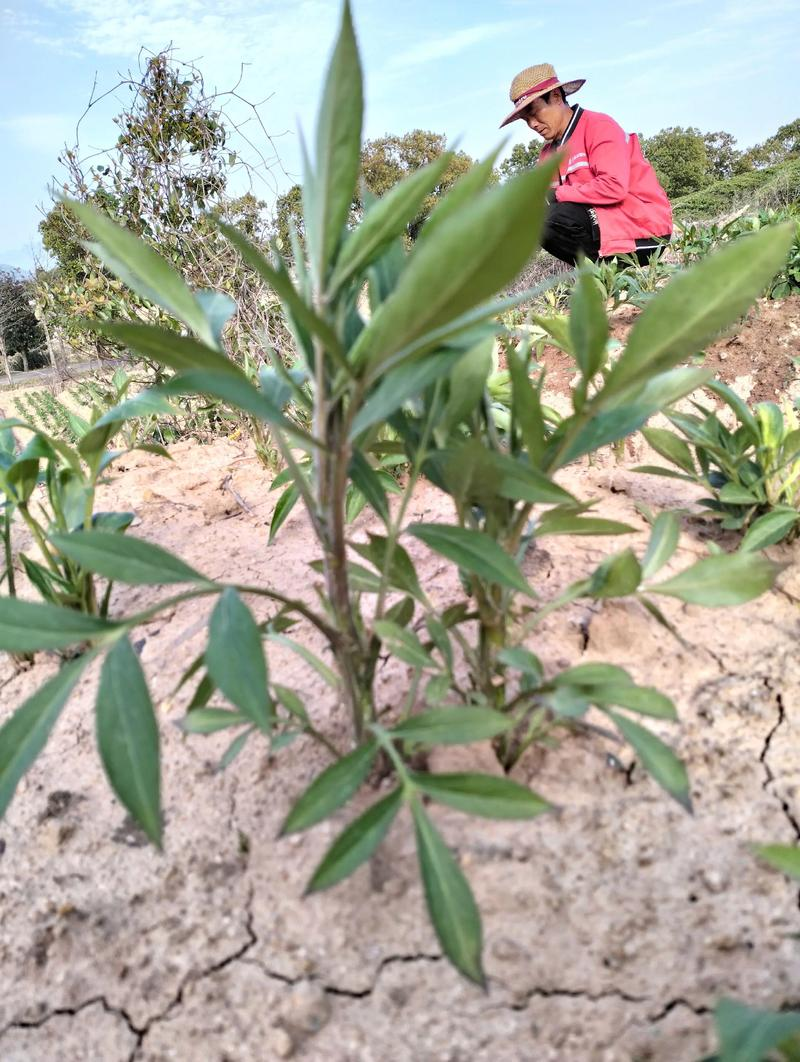
It is also called yellow spots, long leaves, shuttle or near circle, brown, yellow green dizziness. Yellow particles are found in the back of the leaf and yellow powder is produced after the break。
Methods of response:
1 cleaning of the field and burning of sick leaves。
In the first two cases, 97 per cent of the vexed steel was sprayed 300 times the fluid, or 0. 2 to 0. 3 tons of thirate, 7 to 10 days and 2 to 3 consecutive times。
(5) roots of corruption
It's also called dry decomposition. It's a fungus semi-scientific disease that hurts the roots, causes the roots to rot, and changes in the cavity system。
Methods of response:
1 and wakamoto。
2 choosing to plant without disease and strength, and immersing for 3 to 5 minutes with 50% debacterizers and drying and then planting。
In 3 cases, 50 per cent more fungus or 50 per cent more than 1,000 times more methtobuzines were administered。
(6) zeniko
It's called the ginseng. It's a parasitic seed plant. There was a serious outbreak in july-august。
Methods of response:
1 water dryer。
2 select the silk seed in the seed of the blending technique。
3 removed early after discovery。
4 lubai i, 22. 5 - 37. 5 kg of spraying per hectare for home-made powders, or bacterium spray, 11. 25 - 15 kg per hectare for earth products or 3. 75 - 6 kg per hectare for industrial products, plus 1,500 kg of spray for water。
Insect pests are dominated by tigers, euphoria and aphids, among which the most harmful are tigers。
(1) tiger
The tigers were the most dangerous after the white technique had been planted until may, when it was generally manual. During the sapling period, daily or daily patrols of the field, if fresh seedlings and leafs are found to have been bitten off, there are small holes on the victim's plant, which can be dug open and hunted down by searching for the hiding place of the tiger in the tunnel. By the end of june, the strain was slightly older and the threat to the tiger was gradually reduced。
(2) aphids
The worst damage occurred in late march and early june (spring to man)。
The method of prevention and control: the application of a single piece of cactus with 400 copies of water is good after full mixing and after the morning shower level。
(3) 蛴螬
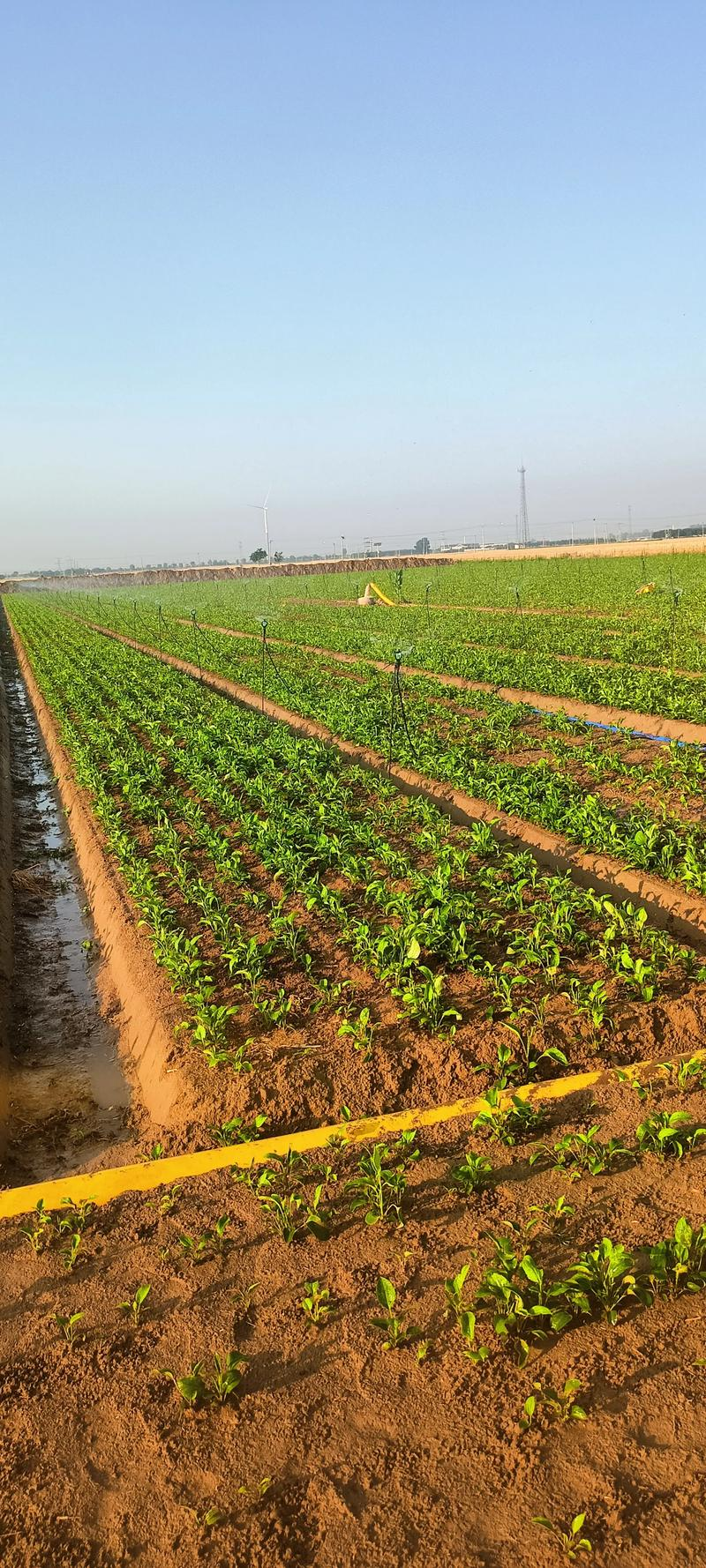
During the period between the summer and the fall of the frost, the white harvest was preceded by hazards, which were most acute before the summer to fall of the frost。
Methods of response:
1 manual capture. In the early months of september and october, the soil had not yet reached the depths of the earth and the winter had yet to rise。
2 controlled with tritium oil and copper sulphate (commonly known as gallfish). After the removal of the buds, in conjunction with the third fertilisation, treatment is provided with 200 to 300 grams of tritium per sap。
(4) termites
Since the summer, the master has grown older, and the top of the termite-eating plume is close to the trough in the top of the top of the top, and the victim of the platinum is yellow and dead。
Method of prevention: after the summer, the pine pine branch is cut to about 33 centimetres of pine branch, buried in the walk of the ecstasy and seduction of termites. Killings are carried out every 10 days and can avoid victimization。
(5) seed worms
It's hard to see. It's harmful to white seeds。
Methods of response:
1 winter to the ground to eliminate the winter infestation。
2 water dryer。
During the first bouquet, 50 per cent of the diarrhea was sprayed with 800 times before the adult insects laid their eggs, 7 to 10 days once, 3 to 4 consecutive times。
The selection of anti-worm species, broad leaves, short-leaf whites, is resistant to the insect。
New technologies for white arts
Scientific seedlings the white technique before sowing the soil, covering weeds, decontaminating the soil, preventing pests and diseases, mixing the seeds with sand and adding new high-fat membranes into the fields, shunting the underground worms, isolating the virus from infection, increasing the breathing intensity and increasing the seed sprouts. The seedlings are released and sprayed on the plant surface with new high-fat membranes to prevent infestation, improve resilience to natural disasters, increase photocooperative efficiency and protect the growth of the seedlings。
2. Rational management. Select a fully shaped, insect-free, fully bred seedling. It also provides timely irrigation for drainage, rational fertilisation, weeding, removal of buds, herbs and drought prevention, as well as appropriate spraying of the root roots of the substance, prompting the transfer of co-production products (nutrition) of the leaves to the root system, increasing the rate of conversion and the capacity of the pine soil, allowing the root to expand rapidly and the substance of the substance to increase, contributing to the growth of the tuber's strength and production. At the same time, integrated pest and disease management is being strengthened and new high-lipid membranes are being sprayed to enhance the effectiveness of the response. At the end of the autumn, winter winters must be kept warm and safe in order to preserve the harvest for the coming year。
Harvest processing
The harvest was carried out in late october and early november of the year (the frost dropped to winter), the straws were turned from green to yellow, the upper leaves were hardened and the leaves were collected when they were easily broken. Premature harvest plants are not yet mature, the roots are fresh, the rate of demolition is low, the growth of late and the roots are consumed. To prevent the frostbite, the sun is chosen and the soil is dug out when dry. Dry or dry, dry for 15 to 20 days. The white arts, which are often turned in the sun, are referred to as the sun, and the dry white arts as the bake. When drying, the fire is not too strong, the temperature is not too hot, it is four to six hours past the fire, flips up and down, drops down, then drys up to 80, piles out for five to six days, so that the internal water is seep, the skin is soft and dry. It is good quality by white art, which is large, weightless, hollow and white, and generally pays between 2250 and 3,000 kg per hectare。
Artillery: wimblems. Smash white pieces into light yellow and take them out。
Cracking, burning white to yellow in the pot and taking it out。