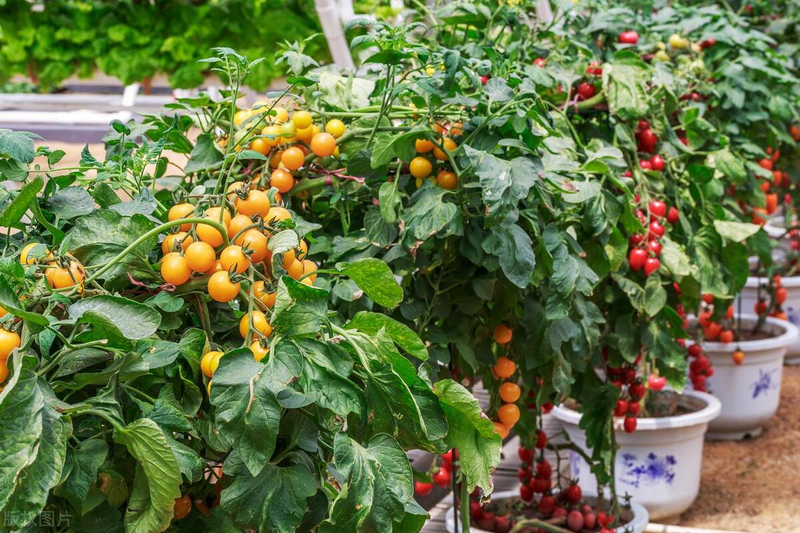
In the past, people had to eat vegetables grown during the season, but it was not the same, and fresh vegetables were available for four seasons a year, owing to changes in the manner in which vegetables were grown, such as tomatoes with many planting methods, dutch models, solar greenhouses, glass greenhouses, greenhouses, ground plants, pellets, plant bags and aerosols. The manager of sakatung agriculture below gave you a description of the technology for tomato cultivation in the solar greenhouse。
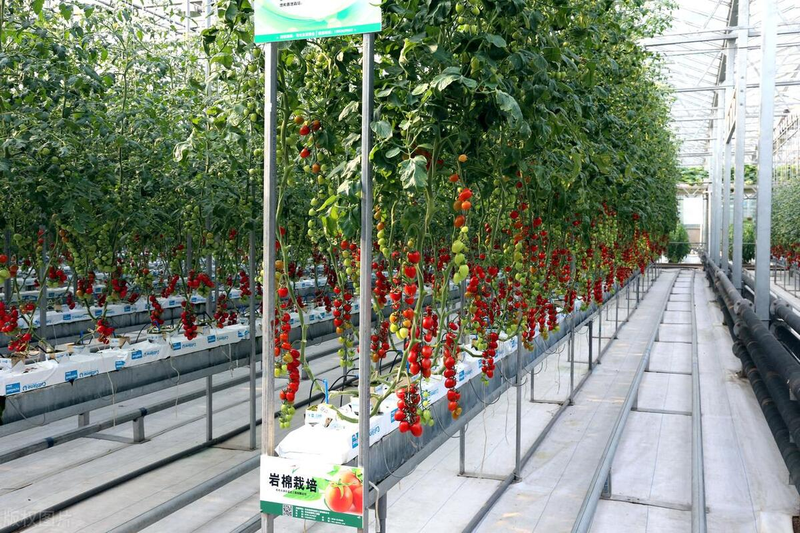
1. Choice of varieties
The choice should be made for low-temperature, low-light, disease-resistant and fruit-types, colours, etc., with the main varieties being crowns, gold platinum 1, gold platinum 5, and virgin cherry tomatoes。
2. Cultivation of seedlings
Seeding is usually done in mid-august-early september, and prices are affected by early springs or falls. Seeds are impregnated with 3 ~ 4 h, disinfected with 1 % potassium permanganate 10 ~ 15 min, washed with clean water and sprouts, most of the seeds are sprouted in sapling beds, and then over 1 cm thick bed. Increased light during nursery time to avoid direct exposure and shade of temperatures above 30°c. A seedling of 4 ~ 6 leaves can be planted。
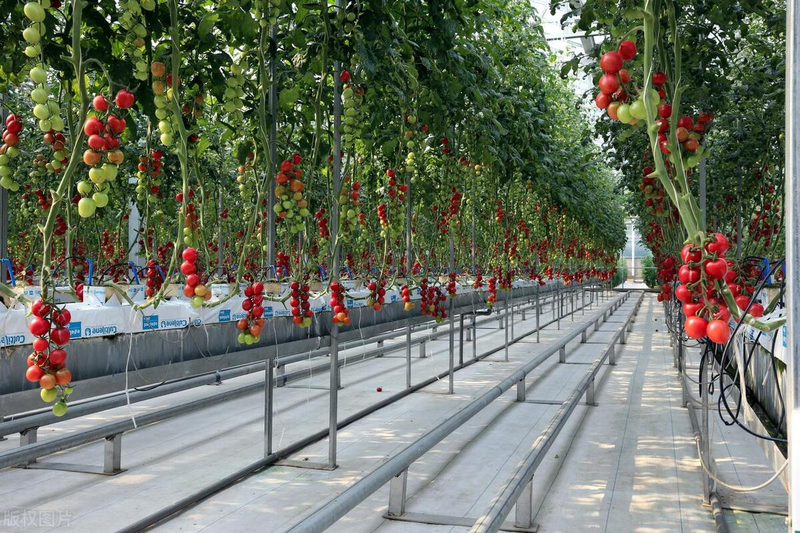
3. Timing
Tomato root is highly developed, requiring 20 ~ 25 cm deep cultivation, 5,000 ~ 6,000 kg acre organic fertilizer, 60 cm small, 80 cm large, 30 ~ 35 cm wide, 3,000 ~ 3,500 per acre, post-planting, rembranding and watering once under the membrane。
4. Field management
4. 1 temperature management。
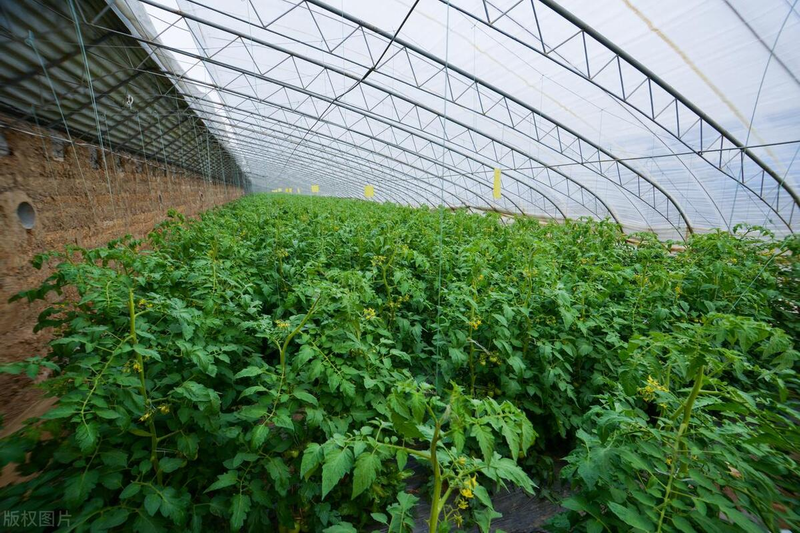
Temperature control is carried out using the decryption of membranes and coverings, regulating the size and duration of vents. At around 25 °c during the day, not exceeding 30 °c, at night at above 10 °c, at 14 °c ~ 17 °c, and at a minimum temperature in the shed at above 15 °c, the greenhouse vents are opened to increase light。
4. 2 fertilizer water management
4. 2. 1 water, chinese farming, seedlings. Tomatoes slow down and water slow, 3-4 d till plowed in time, with medium- and late-literated varieties crouching on the seedling, watering the catalysts immediately after the planting has ended, and applying compound fertilization with water。
4. 2. 2 following fat. It usually begins with a combination of urea and nitrogen, phosphorus and potassium fertilizer, combined with leaf-cover fertilizer, which is followed four times by fatting and 10 kg of the later acre; 20 ~ 25 kg of the acre at the beginning of the first sprout; 10 ~ 15 kg of the acre at the beginning of the first sprout; 0. 3% of the phosphate potassium or 0. 2% of urea sprayed on the front of the scavenging leaf。
4. 3 plumbing fruit. 1. Strengthened cultivation management: cultivation of seedlings, application of bottom fertilizers, proper seedlings, rational pursuit of fat water, active control of pests and diseases, etc., helps to reduce the incidence of falling fruit. In due course, plant growth control agents are used in deprecators and 2, 4 - d treatments, with deprecated flowers at concentrations of 25 - 40 mg/l, and with paint handles of 2,4 - d 15 ~ 20 mg/l。
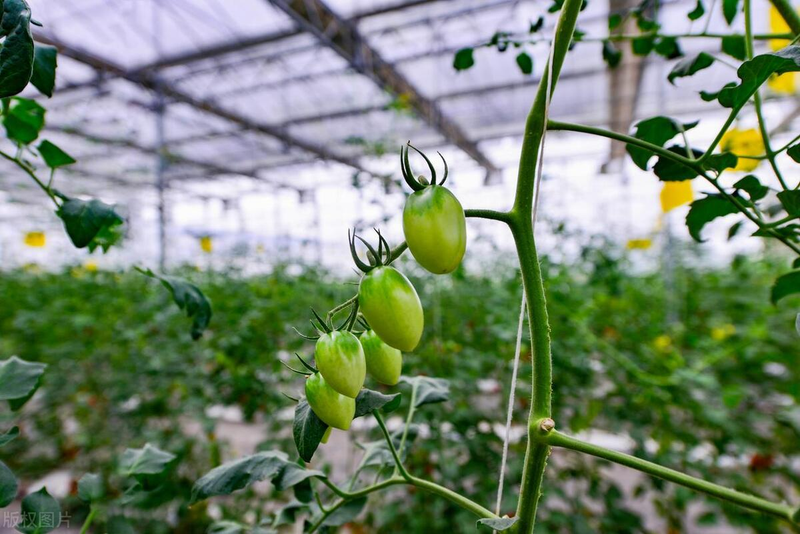
4. 4 plantation adjustment. Tomatoes are half-wooded, half-cranium, with less support, and when the plant grows to 30 cm, 15 cm from the root, with poles or ropes to support the plant, with the strain growing many times. With two dry branches, apart from the main stem, the side branch below the first ear fruit is chosen as the result branch, growing together with the main stem, with three to four ears each, removing the side branch in a timely manner, and removing the leaves from the old leaf and the sick leaf in a timely manner in order to facilitate ventilation and light。
5. Pest management
5. 1 viruses. Twenty per cent of the virus a 500 times the humid powder or 800 times the potassium permanganate is sprayed once every 8-10d and three to four times in a row。
5. 2 strangulation. Treatment is done with a 75% bacterial wettable powder 600 times the liquid, or 70% methyl sulphate filamentable powder 1,000 times the liquid interchange, with one spray every 7 ~ 10 d and 2 ~ 3 series。
5. 3 white lice. Prevention of spray with 10% aphids of lactable powder 1,000 ~ 1,500 times more liquid, or 50% of thiophos-methyl cream 1,000 ~ 2,000。
These are the highlights of the technology for solar greenhouse tomato cultivation by the manager of shantung aquaculture. Farmers who want to plant solar greenhouse tomatoes can do it exactly the same way. These are basically comprehensive tomato cultivation. If you have other questions, you would welcome more discussion。