White art, also known as winter art, nectar art, is a plant of charisma. White arts are commonly used as chinese medicine, which is administered with root-shaped roots and has the function of filling spleen stomachs, humid water and sweating. To treat spleen eating, indigestion, chronic diarrhoea, sweat etc。
I. Growing habits. The white arts are grass plants that grow for many years, enjoy cool climates and fear high temperatures. White arts grow well in soil laxation and well drained plots. Pass sand, sticky plots are not suitable for planting。
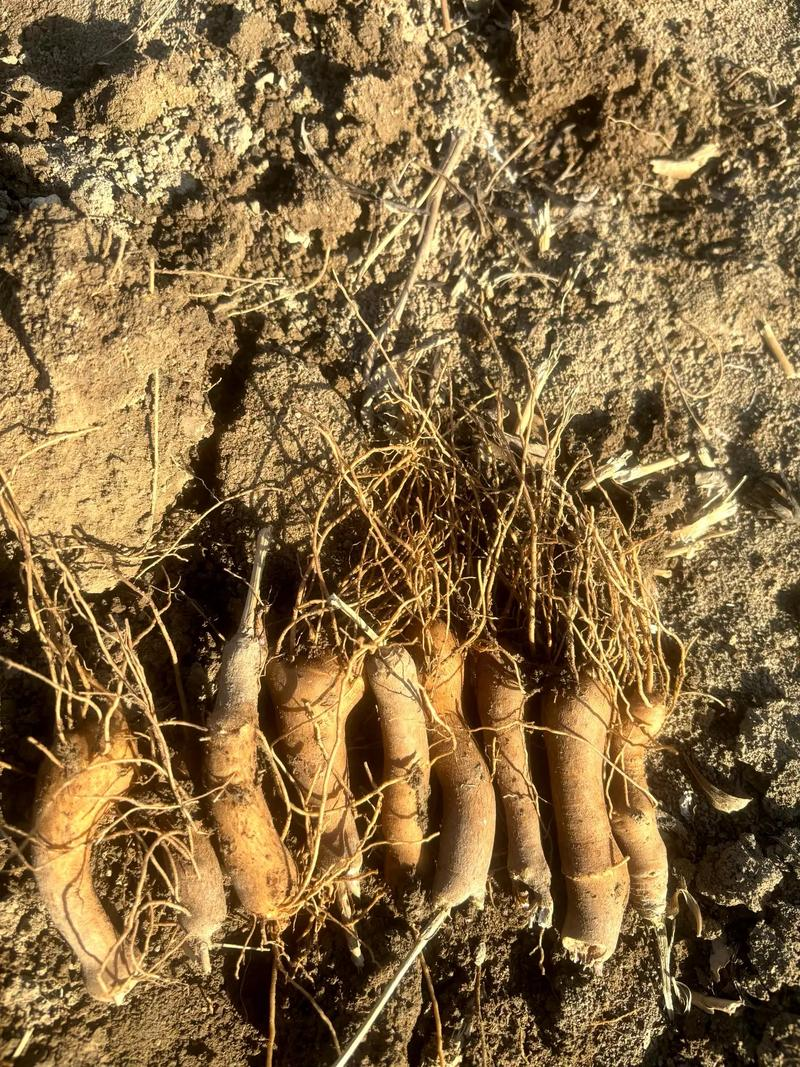
Land selection. The choice is for dry land, deep soil, perturbed and fertile land with good drainage. Before planting, the soil was poignant to 30 centimetres or more, with a combined tillage of 667 m2 (1 acre) applied to decomposition or composting of 2,000 kg, to be applied to the soil as base fertilizer, to be fined and then made to a height of 1. 3 metres wide, and to open a drain around it。
Cultivation. In the spring, local temperatures are suitable for sowing at more than 12°c. On the full surface of the platinum, with a distance of 25 centimetres, 10 centimetres and 5 centimetres deep in the ditch, the seed that is sprouts is cast into the gutter, followed by three centimetres thick of fire ash and earth, and lastly on the plume to keep it warm and wet. Then he shall choose the shade of the sky or the evening of the sun, and he shall cast forth herbs, and shew herbs in the middle. Saplings are established at a distance of 3-5 cm at height of 7 cm. The seedlings produced three leaf leaves, which combined with the cultivation of grass and followed up 1,500 kg of manure per 667 m2. In late july, 2,000 kg of manure was pursued per 667 square metres. When the leaves are yellow after the fall, the roots of the ground are removed, the leaves and stubbles are removed, the tails must be cut as an “activated plant”, the sand layer is stored and planted before the early spring. When planting, the "activate" is graded by size, and on the right surface, it digs in a row of 25 centimetres, 7 centimetres deep and 20 to 25 centimetres deep, and then it is planted in a den, where the "activated" is then added to the ground and the top sprouts are 4 centimetres beneath the soil。
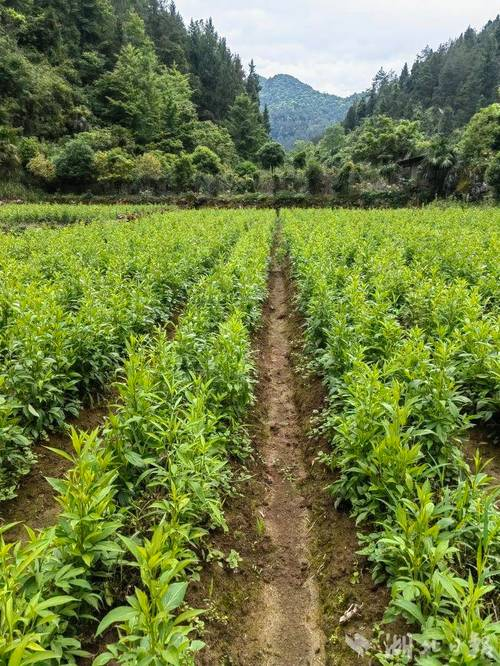
Iv. Field management. Following the sapling, 1,000 kg of manure was pursued per 667 square metres. In the early stages of root expansion, 1,500 kg of manure was pursued per 667 m2. Following the pick-up, 30 kg of compound fat for each of 667 square metres was followed by 2000 kg of manure and 15% of potassium nitrogen phosphorus. In case of drought, water is drained after the rain or after irrigation. In addition to the fields, flowers appear to be cut in time。
V. Pest management。
1. Paraquat: yellow and brown in the tuber's base. The method of prevention is to use 5 per cent lime milk for the initial onset of the disease。
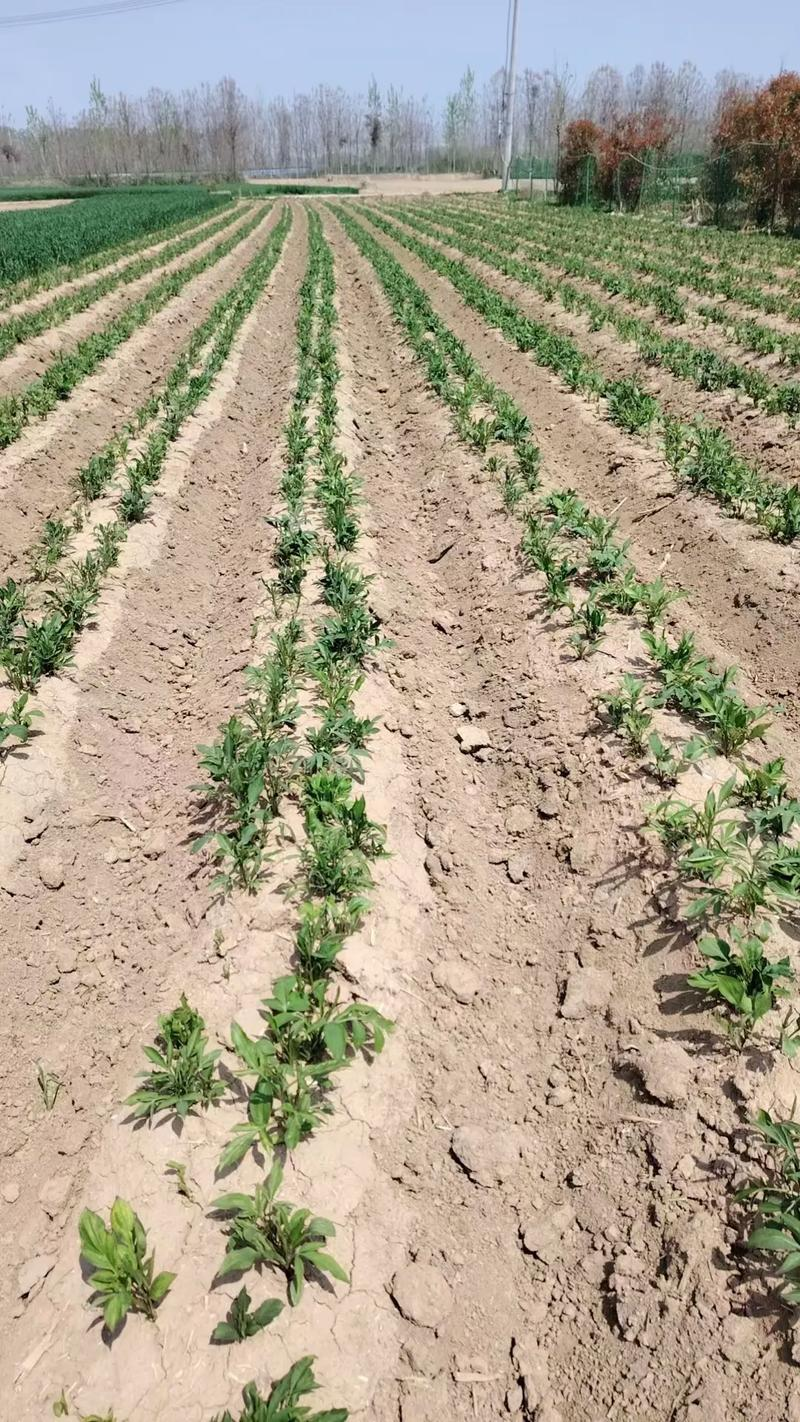
2. Decomposition: first, it has to be brownened and then spread to the main root. The method of prevention is to water the strain with 800 times more of 50 per cent of the multibacterial humid powder at the beginning of the disease。
Collection processing. The white technique, which is planted in the spring of the fall, is poached in time when the white mantle is made brown and leaves are yellow. When digging, the sun is chosen carefully to dig the whole root, to shake off the soil, to remove the straw, and to dry up immediately after transport. Quality is best served by a large body weight, solid in-heart, colourless yellow and fragrance。