Ginger fever, scintillation, respiration, diarrhea, heart, lungs, stomach strokes, which belong to the traditional medicine of our country, together with ginger, can be eaten or administered, and are dual-use chinese medicine, which has the effect of regulating the stomach, slowing the aging, defusing the cold, combating gastroenteritis, cooling the sweat, etc. The market is large, there are many areas of the country where the ginger is grown, and how can the ginger grow more productive? It's not old enough to sum up the collection of needs for ginger growing。
Landing
(c) strict selection of land to avoid intermingling: selection of soil for fertile, deep, ventilated, organically rich soil, conservation of fertile sandy, bordery, viscosy soil, requiring a slightly higher size of the field, easy drainage and irrigation, and limited availability of water. Ginger is not suitable and should be rotated for two to three years with rice, maize, soybeans, etc。
Selection
The choice is to grow ginger with one or two sprouts, 50-75 grams heavy, and a disease-free ginger。
The treatment of ginger
First step: to impregnate with 1000 times more regenerative fluid before planting ginger seed
(b) step 2: the sterilisation of ginger is followed by a two- to three-day tan, which can be stacked when the ginger bar surface is bright
Step 3: temperature preservative sprouts with straw cover, requiring humidity, temperature control at 20-25°c, relative humidity
85-90 per cent sowing when the aluminum grows to 1 cm。
The whole place
Ginger is long-term and should adopt the principle of applying base and multiple fat pursuits. Acres are used as base weights from 2,000 to 3000 kg of rotting organic fertilizer and 25 kg of potassium fertilizer before freezing in winter。
Seeding
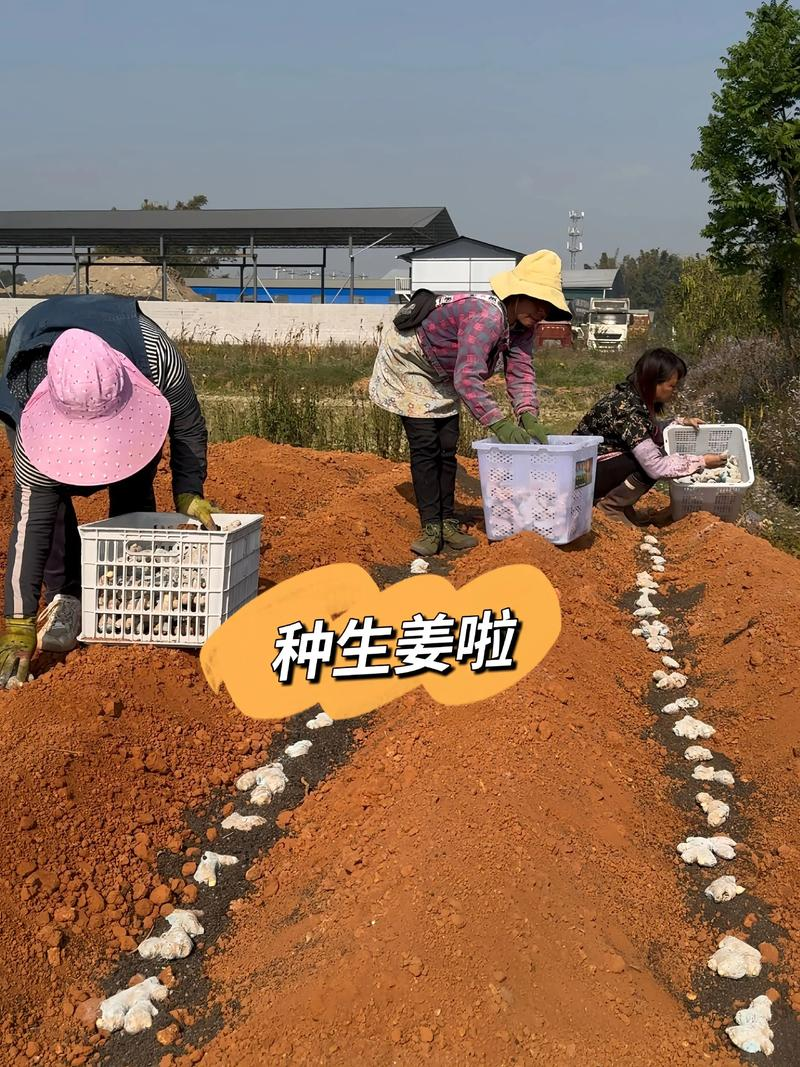
Seeding before, after, or after the rain. The seeding is broadcasted on a strip with a distance of 35 to 40 centimetres, with a distance of 26 to 30 centimetres, and a ditch of 10 to 20 centimetres, with approximately 500 kilograms per acre. The acre is 15 kg of urea, 25 kg of compound fertilizer, and sodium nitronol 15-20. The soil is wet, the levels of the ginger clots are kept in a ditch, the orientation of the buds is consistent, and the hand is gently pressed into the mud and the soil is wet by about 5 cm
Ginger maintenance
1 euphoria: 65 to 70 days, mainly with the main and root growth, the ginger seed is shifting from being exclusively grown on ginger to being able to absorb nutrients and produce nutrients, with managerial attention to the pursuit of fattening, weeding, raising temperatures, supplementing the old-fashioned green leaves with water soluble fattening, and breeding strong seedlings。
Long-term prosperity: also a major period in the formation of the product organ (underground meat tubers), is an important turning point for ginger growth of about 70-75 days, with two new leaves per day, during which full nutrient supplementation with balanced water solution is required。
3 underground ginger block swelling period (long from boom to late september), which is to be used to strengthen management of water fertilizers, maintain wetness on the ground and prepare soil for fattening, mainly to supplement fertilizers that promote root growth, such as the potassium mammoth glitter magnifying herbivide。
4 root hibernation: still warm. It is necessary to remove shades in a timely manner, improve light conditions and achieve high productivity。
Gyeongda field administration
If the soil is wet enough to produce seedlings, if the soil is dry, it should be watered once, but not too much, if the soil is wet enough to see the soil sprouts and the shape of the plant in time。
In the long term, chon shall carry out many pine and fertilizing tasks. When the seedling is about 15 cm high, it shall be combined with the plowing and weeding, and shall be followed by human urine and 3 cm. With the increase in fragmentation, each seed is forced to fatten the earth once more, and the soil is thick enough not to bury it at its tipping point, totalling three or four times, turning the former planting ditch into a scavenger. And the earth can contain too many saplings and make the ginger clots fat。
Ginger is afraid of strong light and can either grow in a canyon or build beans in the rows, or beams or sticks or troughs。
Ginger pest management
The main diseases are decomposition and spot diseases. Decomposition generally occurs in july, and in august to september, during the peak of the disease, the strains were discovered to be removed in time, the bacterial soil was dug, lime was sprayed in the pits, and clean, sterile landfills were used. In the early stages of the spectacular disease, 50% of the 100-bacterium cleanup was sprayed 800 times, and in a period of between 7 and 10 days, 1,000 times more was sprayed with regenerative fluid in order to prevent rotting roots. The pests are mainly ginger worms, maggots and leaf sprayed with trichlorfon or phosphorous. Insecticide or fungicide is combined with sodium nitronol to increase efficacy。
Ginger's harvest and seed
Collecting: ginger harvest, unlike other vegetables, can be divided into three methods: ginger harvest, ginger harvest and ginger harvest。
(1) the pick-up of ginger may serve as an early supply market for fresh vegetables. Collection generally began in early august. Premature ginger clots are fresh, spicy, spicy, watery, unsustainable, suitable for pickled pickles or spicy pepper sauce, delicious, market-friendly and economically efficient。
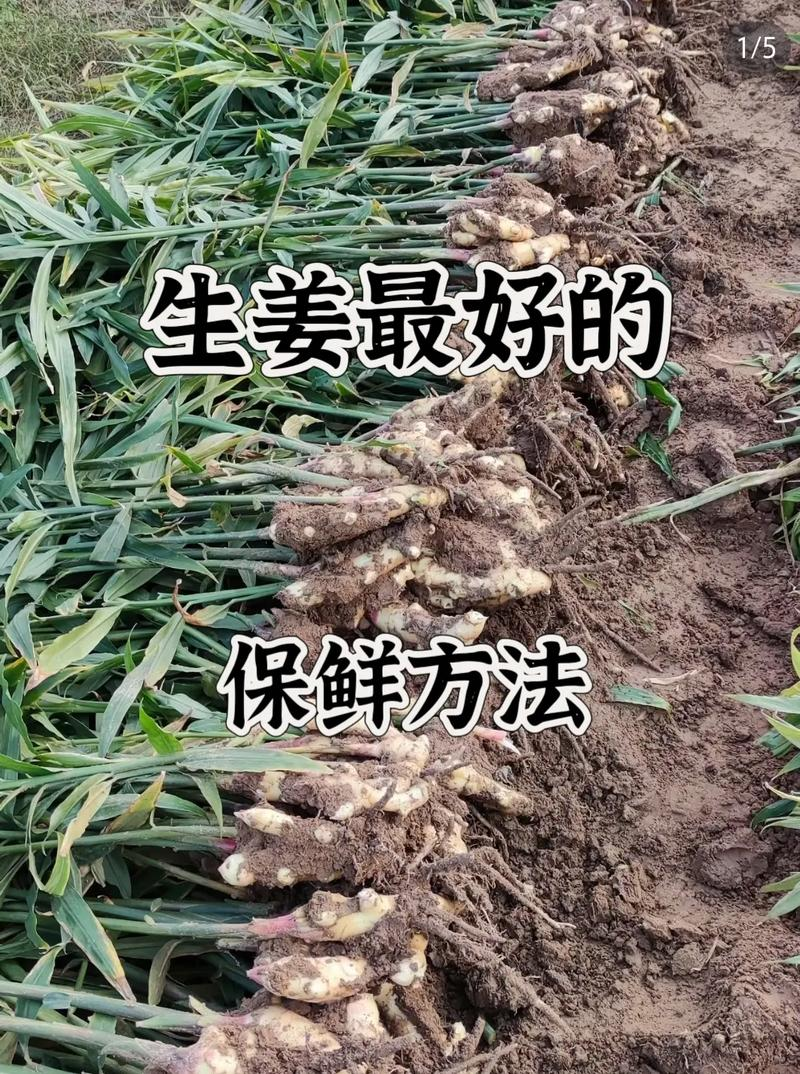
(2) old ginger harvest, usually in late october to november. The top pillar of the ground for ginger begins to be yellow, and the roots are harvested when they are fully plentiful. The ginger clots collected at this time are high-yielding, spicy and resistant to storage and transport for good quality as a flavour or processed ginger blade. However, the harvest must be completed before the frost so as to prevent it from decomposition. The harvest should be completed by a clear day, with a full cut of the plant, and a ginger clot to minimize damage。
(3) the harvest of ginger, which is generally held to be four to five leaves on the ground, took place in the middle of june. When harvesting, the soil is carefully removed from the roots of the plant, and the ginger is removed and then the soil is covered up. The growth of the plant is seriously affected by the late harvest。
(b) retention: ginger clots need to be kept for seeding should be planted in separate fields, with additional potassium fattening (grass ashes, etc.) during growth and less nitrogen fattening (e. G. Urea, etc.). The harvest is covered for days, and the water is reduced for storage. In daejeon production, you can also choose to plant strong, ginger-rich, disease-free and unharmed ginger, which can be laid out and stored for seed。