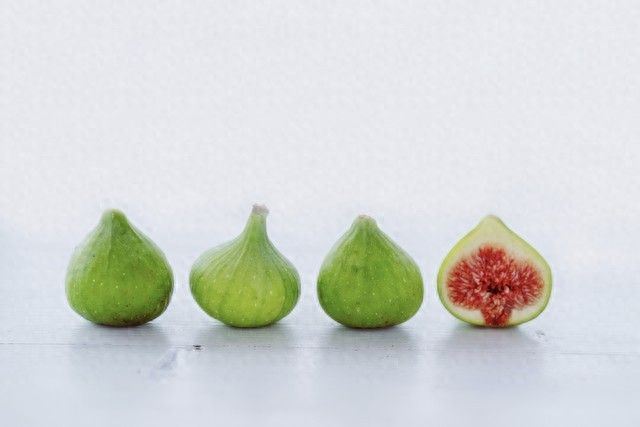
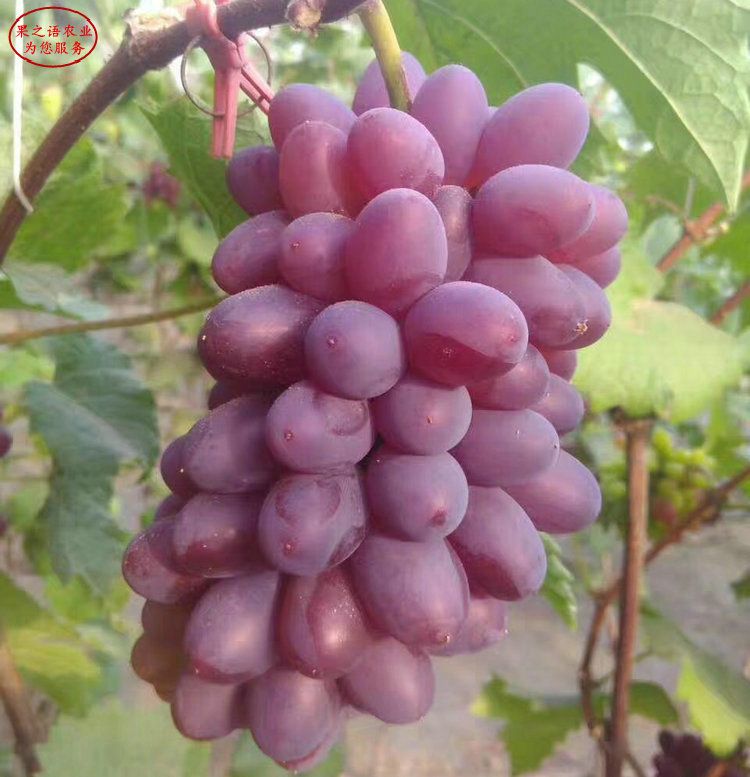
Orange, a special fruit in the south。
In addition to the meat in the orange, skin can be used for other uses, such as pharmacology。
Most of the gold oranges on the south side are planted in vegetable gardens, but in addition to this method, it can be planted in a potted plant?
1 growing environment
Sunshine and warm, wet environments, insatiable to cold, a little shade, drought-resistant, and requiring well-drained, fertile, estranged, micro-acid sandy land。
2 basins of soil
Orange is produced in subtropical areas and prefers micro-acid soils. In spring, when the basin is changed, a part of the masonry is retained to protect the roots and to cut too many useless roots. The bottom of the pelvis is mixed with two horseshoes filled with rotting sawdust and an equivalent amount of horticultural soil, or eight fertilized soil rich in corruption, and a mixture of two slags。
Three trimmed
When most of the fruits of the oranges fall naturally after march, they will be removed from the rest of the fruit and will save the nutrients to absorb, and will then be removed from the thick branches, the cross branches, some of the long branches and the insides without their light. A short cut of the branches retained for one year, with two to three sprouts per branch, and the buds of cuttings, leaves the tree canopy open and light。
During the bouquet period, care is needed to be taken to sprout flowers, to keep the first flowers, and to remove some of the late and weak flowers. The bouquets usually open between may and june are relatively high and should be retained. After july, the figs were removed。
Four fat water
(1) the golden orange fertilizer, which, in addition to the fertile soil requirements, is fertilized every seven to ten days in concentrations of one liquid fertilizer and three clean water。
Fertilizers are applied in the drying of the basins and water is combined to facilitate absorption. Decorated slag or compound fertilizer may also be applied under dry topsoil and watered immediately. Note that their application is less frequent, organic fertilizer must be sufficiently decomposed, solid fertilizer should be applied for a period of one month, preferably after the winter season, and no fertilizing。
(2) the principle that water water is dry, wet and watered。
A flowering pelvis can be dried, and when the fruit stabilizes, it can be watered normally, and when the fruit is soybean, it can be moderately fertilized, and the oranges like to be damp in the environment. Water should often be sprayed around the leaves and flower basins during the season and during the boom, but not at the flowering season, avoiding the flowering, and the dormant plant needs to be watered under control。
5 temperature
Orange growth is best at a temperature of 22 to 29 degrees celsius, and suitable for indoors in the north at 10 to 15 degrees celsius. If the plant is small or unfeasible, the winter humidity is three to five degrees celsius and should not exceed 10 degrees celsius, otherwise it affects hibernation. When the external temperature rises to 10 degrees celsius at night, it is moved outside for maintenance to enhance ventilation and then moved back to the interior after autumn。
Six light
Orange is a light-loving plant that is born long in a well-soiled place, with a little shade when summer is hot. In winter, there is a need for indoor light. For small dormant plants, the winter demands little light。
7 pest management
The main risks to oranges are aphids, aphids, red spiders, which can be treated with 40 per cent of oxidated fruit cream with a mass score of 0. 67 per cent or 40 per cent mass score of 067 per cent。
Gold oranges, which are acidic flowers, tend to have yellowed iron deficiency in the north, with a small amount of iron sulphate being added to the culture, and a 0. 1 per cent sulphate water solution being sprayed every 15 to 20 days in the growing season leaves. A few drops of vinegar can be dripped while water is being poured, or one per cent of iron sulphate fatty can be regularly poured. In the event of poor ventilation, gold oranges are most likely to suffer from coal pollution, dust, etc., and can be treated with a solution of 75 per cent of methyl tobutine, ranging from 1:25 to 1:42 per cent。
8 harvested
Before the onset of the rainy season in early october, the tree canopy was covered with a six- to eight-metre-wide canopy covering the canopy, with bamboo and so on as a stubble, where ropes were held tight, contaminated and fissure-proof。
In november, the collection of market sales began, with the introduction of a hierarchy of harvests, with the first ripening of the fruits, with attention to the possibility that the introduction of tree retention could be delayed until february of the following year。