There are a number of aspects to the management of the techniques used for the production and prevention of the disease:
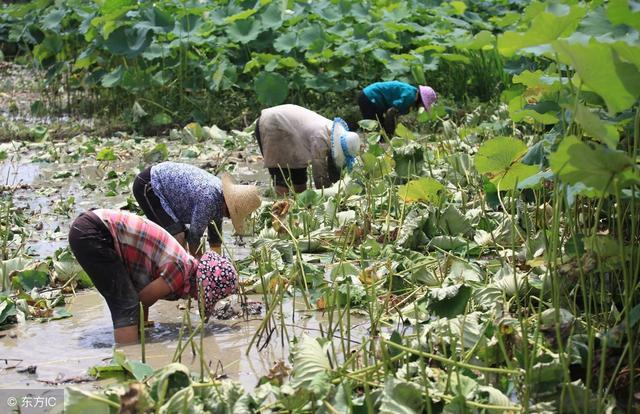
For soil treatment, the soil ph for planting shallow water is kept within 6-8 and the best ph is 6. 5-7, preferably with river pond mud or paddy fields, or garden land for vegetable fields, but never with industrial contamination. The thickness of the soil in the cement pool is typically between 30 and 40 cm。
Foot bottom soil needs to be applied when ready. The base fat of shallow water is dominated by organic fertilizers, which are of many kinds, such as crop straws, acid fertilizers, microbial fertilizers, farm fats, compound fats, etc. Farmers who are fermented with biofertilizers of the enrichment source can be applied to an acre, ranging from 4,000 to 5,000 kg and 100 kg of triple compound fertilizer. Fertilizers are then applied at depths of 20 to 30 centimetres, mixing the soil with the fertilizer and then levelling the bottom of the pool。
Sterilization of seedlings: the choice is to sprout strong, have 2-3 knots and weigh more than 0. 5 kg, or the choice is to use large seedlings. After digging, planting is done as early as possible at 300-400 kg per acre. Before planting, the production of a 1000-fold product of the wealth-rich lotion is increased by spray spraying the seed, suffocating for 24 hours, and the medicine is basically dried up and planted。
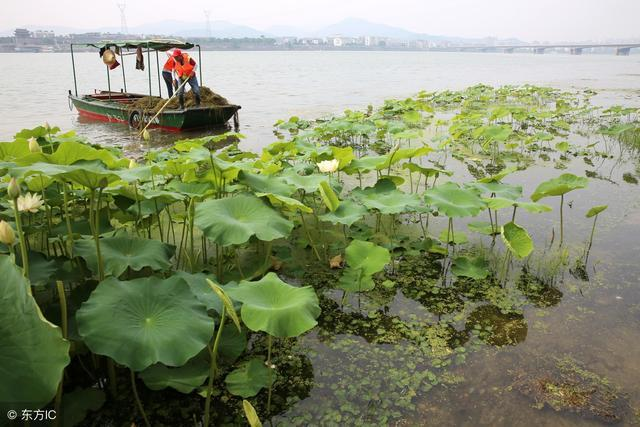
The plant is planted along a straight line, with a distance of 1 to 1. 5 metres and a distance of 2 metres. This is done by digging a long planting pit with a crotch of 30 degrees with a tilt angle between the pit and its bottom, according to size. The top of the seed is inserted downward, and the body is parallel to the planting pit, that is, the body and bottom of the pool, with a tilt angle of 30 degrees. And when it is planted, it is buried with the excavated earth, and it is asked that it be levelled, and a little bit of it and a little of it is sprouts, and all of it is buried in it. The depth at which the soil is established is typically between 5 and 10 cm. After planting, water is poured into the cement pool immediately, at which point the water level should not be too deep and generally maintained at 5 cm in order to increase the temperature of the ground and sow the seed。

In due course, xinda is being followed by fattening:
Lactation needs to be high, and human urine or fermentation should be followed, as appropriate, during growth, in addition to the application of base fattening, with the benefit-rich bio-fermentant fermentation agent being fertilized, usually 2-3 times (the first fertilization time normally occurs when one or two leaves rises, the second fertilization time begins before the leaf is sealed off and the third fertilization occurs when the leaves are terminated); when fertilized, the weather is chosen to be clear, so as not to take place at noon on a hot day, some water should be released prior to fertilization, shallow water layer maintained, and water should be poured into the soil until the fertilizer penetrates
Page fertilizer promotes plant growth and increases production:
Every 15-20 days, with an increase in the yield of the rich and rich forest at 1:500-1,000 times thin, the pool is sprayed for the first time at 1 kg/acre and 0. 5 kg/acre thereafter。
Direct sale by the prophylactic prophylaxis prophyxia prophylaxis prophyxia prophyxia prophyxia prophyxia prophyxia prophyxia
Pest and pest control:
Because of the unique environment in which the lichen grows, which breeds a large number of bacteria, most of its common ills are caused by fungus, and when it is used to increase the productivity of the lichen, the progeny takes over the dominant position in the lubricating environment, quickly eliminating the harmful bacteria and effectively preventing their occurrence. At the same time, the prophylactic bacteria can decompose large molecular elements in the soil and convert them into nutrients that can be absorbed by the lichen for good purposes。