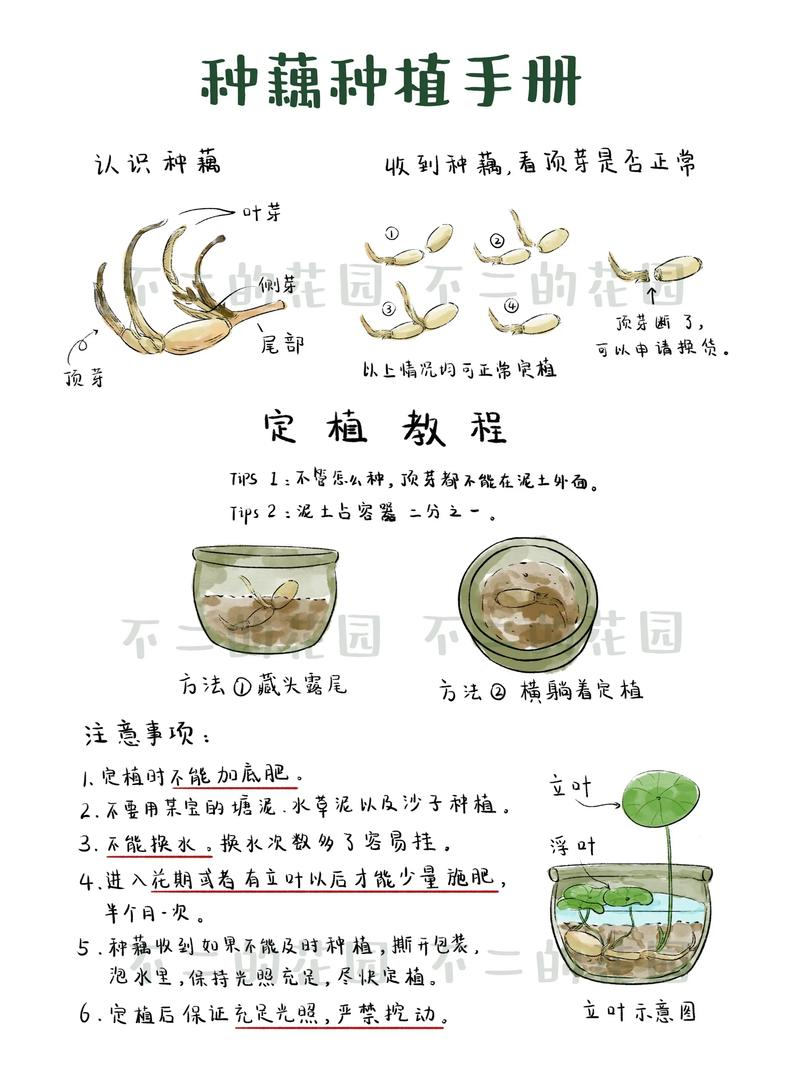
Fourthly, it has been said that it is necessary to hide its head when it is planted, and that the experience of time is that it is hidden without showing its tail, cutting it off and planting it all in the soil. The earth shall be added to three fifths of the basin, and it shall be held in relative pressure, so as to prevent the release of the seed from the water when it is poured. By the month of july and august, the crotch had grown and the pelvis had grown high, with only one fifth of the basin space and even less。
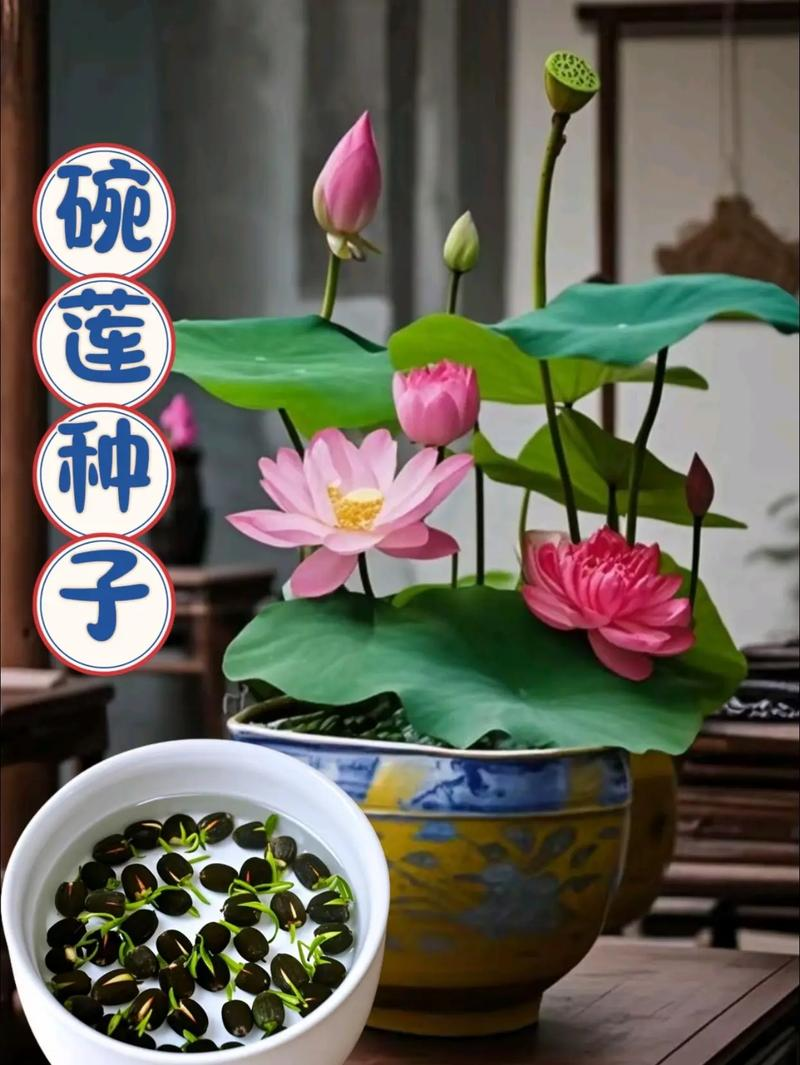
The fifth is that the leaves must be managed on the surface of the water, and if the water is too deep, the leaves will drown. To the sun. A bowl of luminous, like a lake, is a luminous plant. Some growers put it in the head of the case, so that they can't play with their leaves, and without light, they can't grow with flowers; they can ventilate, and if they have many varieties, they need space. North-south vertically, two basins each other. Water. In addition to water quality, which has already been mentioned above, there is an important issue of water temperature. It's best to prepare a bowl of water outside, so that the water temperature in the tank is basically the same as the water temperature in the basin, without affecting the growth of the bowl. If it is grown on a large scale, there will be a pool; in the field, a ditch will be dug, the water will be the same temperature and the water will be convenient. In july and august, water must be added to the basin because of the new growth, the rise in the soil and the small amount of space. The principle is that the mud is not watered, and when it comes out, the water is filled. Water is better in the morning or evening. Weeding. The weeds are in the basin, and the weeds fight for the sun for the sun, and there is no profit, but they must be eliminated. The bowl is delicate, and the city never dared to use herbicides, all handmade, if the roots were too large, they would have to keep them under one hand, clean them with one hand and one hand, and not have to be impatience, or rush into a rat-thrower, and the grass would have been hurt, except the grass. Fertilizing. Fertilization should be gradual and not feed by seedlings. It's best not to put on any fertilizers before they grow, but when they're too much, when they're yellow and dry and dark, they're going to do it. In this case urea is the best; if only long leaves are not available, phosphorus, potassium fat, and potassium phosphate is good. The method of application is to wait for the soil to come out, dig a small pit in the basin, put a pile of fatty (a little bit more by note) into it, cover the mud, fill the basin gently with water, and let the fat spread slowly and infiltrate. Seven to ten days after application; full decomposition, wetting, spooning, methods, etc.; and a method of fattening, using several drums, putting waste such as scavengers, fish bones, animals, etc. Into the pot, adding to eight-point water, sealing the mouth, half-month later, available, when used, preparing the dry soil so that it can be fertilized. Remove pests. To date, no disease has been seen in the restaurant, and very few pests have been seen. That's it. There's no practical experience. Fortunately, in the age of the internet, there will be good ideas when pests and pests occur, they are checked online or people with experience are taught. Sixth is trim. The pelvis is being managed so well that leaves are always lost. Some of the leaves are too dense and the sun doesn't shine in the basin, which also affects the present. So trim is necessary. Two things need to be noted: the first is to cut the old leaves and the second is to cut the poles above the pelvis, and if they are below the pelvis, the water will flow into the mouth and decompose them. The seventh is the change. A year later, the land looks dark, but it's not fat anymore. The earth in the city is valuable, and the land is kept for one year, so that it can be fertilized. The way to switch basins is to prepare two large basins, one of which will contain fresh water. First cut the pelvis, but after a winter, the pelvis is almost rotting, and the pelvis is down in the tub, with both hands, and the pelvis comes out. If it doesn't come out, it can come out with another piece of bamboo or a little knife and a circle around the basin. There's no mud on the bottom of the basin, and it's in the middle, in a circle, cutting it off from the whip, washing it in the water, and if your basin is numbered, putting it in the basin, so the species will not be confused. There are three or four small bowls, more than a dozen, and the old one has become dark, and the new one is the strongest near the old one. He is called the old one, and some are called the lord, and the lord is divided down into children, and the children are divided into sun, and the latter are called the heavy sun, who are usually hard to breed, and must grow in more than two sections. There must be a complete section below the top sprout, and section iii, if extended, can be removed. Remember: the seed must have this condition. I'll take a bowl. (author: favorous