The aroma, an umbrella aroma, is an annual or multi-year herbivorous plant that is widely cultivated and used on a global scale. Not only are they common spices on the table, they also have important value in areas such as medicine and industry. From ancient herbal books to modern food processing, the aroma has always held an irreplaceable position with unique aroma and abundant efficacy。
Overview
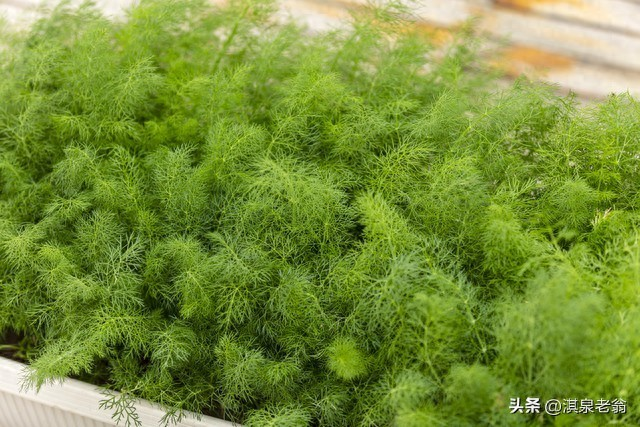
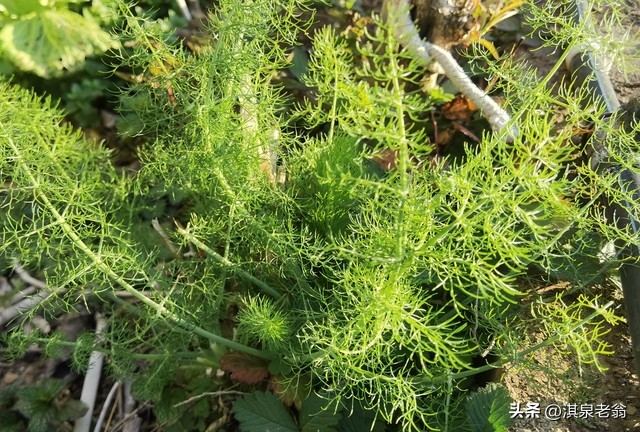
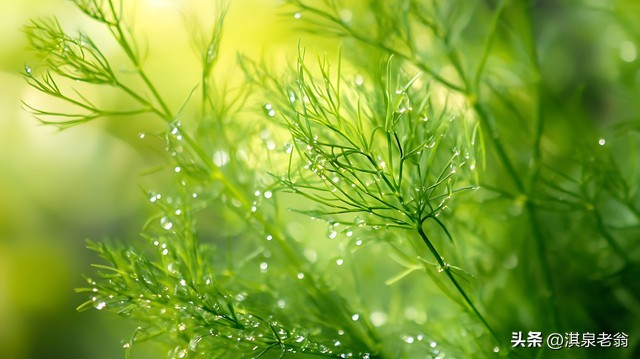
The whole plant of the aroma displays herbs and is usually high between 40 and 200 cm. The stasis is straight, the surface is smooth, the colours are mostly green or ablaze, and the branch is more powerful. The leaves are split in three to four plumes, and the final little fragments are linear or silky, soft in texture, green in colour, and special aroma, which is also one of the distinctive features of the fragrance。
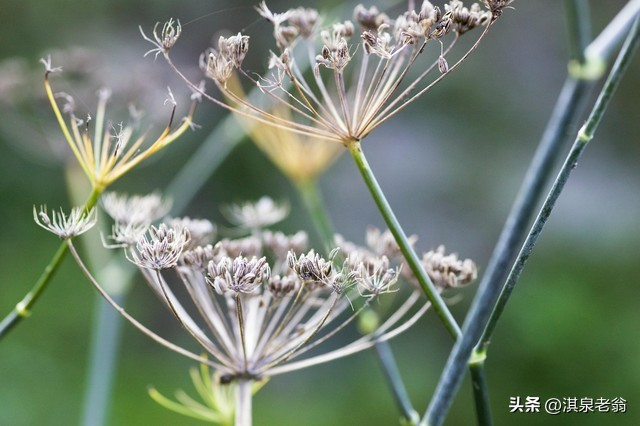
The flowers of the aroma are in a re-element umbrella sequence, with perinatality or sidenuts, typically 3-15 cm in diameter. The number of umbrellas is higher, usually 6-29, and varies from one to another. Small flowers, yellow colours, rewinding petals, small tongues with internal folds at the top, usually in may-june. The fruit is a double-suspension, long circle, 4-6 mm long, 1. 5-2. 5 mm wide, sharp, aromatic, and lasting from july to september. Seeds of aroma are their fruits, which can be used as spices and for reproduction。
In terms of use, aroma has multiple values. On the food side, it can be used as a vegetable, which can be mixed, cooked or made with soup, with a soft taste and a unique scent; seeds, which are widely used as spices for cooking, can increase the taste of food and are often used for food, such as meat, seafood and vegetables. In medicine, the aroma is warm, tasted, and has the effect of cold kidneys spreading, stomach gas, etc., and can be used to treat abdominal pain, kidney ache and stomach vomiting. In addition, aroma is used to extract fine oil, which smells aromatic and can be used in industrial products such as cosmetics, perfume and soap, as well as in the food industry as natural spices。
Ii. Growing habits
The aroma is a more adaptive plant, but it also has suitable growth conditions. At temperature, the aroma prefers a warm climate with an appropriate growth temperature of 15-25°c. A suitable temperature of 15-20°c for seed germinates is the rapid and high rate of seed germinates within this temperature range. Premiums are resistant to moderate temperatures and can survive at short-term temperatures of 2°c, but long-term temperatures affect their growth and development. At high temperatures, the aroma is growing slowly, is prone to growing up, and its quality is affected。
Light is essential to the growth of the aroma, which is a radiant plant and requires adequate light conditions. In an environment of ample light, the aroma plant grows strong, leaves green, and light co-operation is strong, facilitating the accumulation of nutrients, thus increasing yields and quality. If the light is insufficient, the plant is easily grown, leaves are yellow, growth is weak and yields are reduced。
In the case of soils, the requirements for aromatic aroma are not very strict, but are appropriate for fertile, loose, well-drained sandy or bordery soil. Soil alkalinity is appropriate for neutral or microalkalinity, with ph values between 6. 5 and 7. 5. The aroma is impregnable and soil water accumulates to decomposition of the roots, thus ensuring that the soil is well drained. Cultivated on fertile soil and high organic content, the plants are growing and productive and of good quality。
Water management is also an important part of the growth of the aroma, which is more drought-resistant but requires an appropriate water supply during its growth. Seed fertilization requires soil moistification in order to promote seed growth; seedling moisture should not be excessive in order to avoid growing up and disease; and growing booms require sufficient moisture to meet the growth and development needs of the plant, while avoiding soil accumulation. An appropriate reduction in the water supply prior to harvest would improve the quality and sustainability of the aroma。
Distribution
The aroma originated in the mediterranean region and, in the long rivers of history, is gradually spreading globally as trade flows and cultural exchanges spread. At present, aroma is distributed and cultivated in many countries and regions of the world. In europe, countries such as france, italy and spain, where climate and soil conditions are appropriate for the growth of aroma, also have a significant place in the local eating culture。
In asia, the aroma is also widely distributed. China is one of the most important growers of aroma, which has a long history of cultivation in china, and is cultivated in all parts of the north and south, including the regions of shanxi, inner mongolia, gansu, xinjiang and hebei. Most of these areas are temperate continental climates, with abundant light and high temperatures, which contribute to the accumulation of thorium nutrients and the quality of the aroma produced. In addition, countries such as india, turkey and iran also have large amounts of aroma cultivation。
In africa, countries such as egypt and morocco are also growing aroma, and local climatic conditions meet the demand for it. In the americas, countries such as the united states, mexico and the united states also grow a certain area of aroma, mainly for consumption and medicine。
The aroma is so widely distributed that, on the one hand, it can grow under different climatic and soil conditions, and, on the other hand, it is widely appreciated and valued by its abundant uses。
Iv. Varieties
The aroma, depending on its use and morphological characteristics, can be divided into several species, the most common being the following:
- eating aroma: this is the most common form of aroma, mainly for food. Its plant is flourishing, its mouth is tender and its scent is rich. There are several sub-types of aroma, such as large and small. The fragrance plant is relatively small, the fragrance is smaller, the fragrance is more fragrance and seeds are used as spices。
- pharmaceutical aroma: such aroma is used primarily for medicinal purposes and has a high level of medicinal composition during long-term cultivation and selection. The morphological characteristics of the pharmacological aroma are similar to those of the edible aroma, but they are more advantageous in the accumulation of active ingredients and are processed for use in the production of chinese formulations。
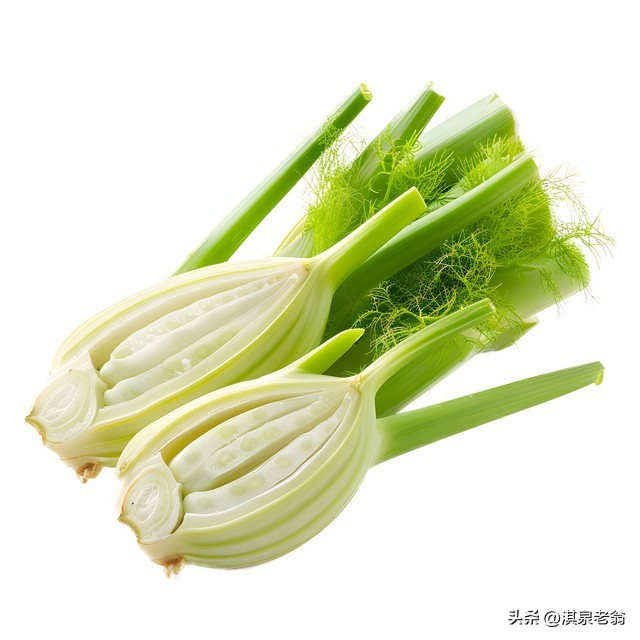
- pyramids: the pyramids are a special species of pyroma, whose base has grown into flat or near circles, which are soft and tasteful, and are a popular vegetable. Leafs of the plume are also available, but mainly in its parts. The plume has a high nutritional value and is rich in nutrients such as vitamins and minerals。
There is some variation in the growth habits, uses, etc. Of different varieties of aroma, which growers may choose depending on local climatic conditions, market demand, etc。
Plantation techniques
(i) land selection and landscape
Land is selected for cultivation with flat ground, sufficient light, good drainage and fertile soil. Precipice crops, such as wheat, maize, beans, etc., are suitable for non-elementary vegetables in order to reduce the incidence of pests。
Before seeding, the ground will need to be completed. In the first instance, deep tillage, usually at depths of 20-30 cm, is required to break the soil sheeting and increase soil aerobics. Deep tillage is followed by dredging, scavenging the soil, removing weeds, stones, etc. At the same time, a combination of whole-scale application of base-based fertilizer, which is dominated by organic fertilizer, e. G. Decomposed farm fat, is applied at a rate of 2,000 to 3,000 kg per acre, with a suitable combination of applied compound fertilizer to provide adequate nutrients。
(ii) seeding
The planting time of the aroma varies according to region and variety. In general, spring is broadcast in march-april and autumn in august-september. It can also be broadcast winterly in areas where the climate is warm。
Seeding can be done on a strip or by sowing. The length of the line is typically 20 to 30 cm and the depth of the ditch is 2 to 3 cm, so that the seeds are evenly distributed into the ditch and then covered with soil. When sowing, the seeds are evenly spread over the ground, then the soil is 1 to 2 centimetres covered, with light pressure. Seeding should be followed by timely watering and soil moistification to promote seed germinate。
The sowing of aroma is based on the variety and type of seeding, with a typical percre of 1-2 kg. Seeding should be done in a balanced distribution of seeds, avoiding over-cightening or thinning。
(iii) field management
- saplings and saplings: when a sapling of aroma grows two or three leafs, the seedlings shall be carried out, the seedlings shall be removed, and the seedlings shall be kept at a distance of 5 to 10 cm. When young seedlings grow 4-5 leafs, seedlings are established at suitable range, usually 10-15 cm, depending on the species。
- weeding in chinese: during the growth of the aroma, weeding is done in a timely manner in order to sow the soil, increase its permeability and reduce the competition for nutrients and water. The depth of the cultivation should be moderate to avoid damage to the root systems. Weeding may take the form of artificial weeding or chemical weeding, which shall be carried out with due care to select the appropriate herbicide and shall be used as required by the instructions。
- hydraulic management: the aroma needs a proper water supply during its growth, but soil accumulation is avoided. During seed fertilization and seedlings, soil is kept humid; during booming periods, water is poured in a timely manner, generally every 7 to 10 days, depending on soil conditions; and 10 to 15 days before harvest, water is poured less to improve the quality of the aroma。
- fertilisation management: fattening is required to supplement nutrients during the growth of the aroma. The pursuit of fertilizer is dominated by quick-effect fertilizers, such as nitrogen, phosphorus and potassium. In infancy, a thin nitrogen fertilizer can be applied once to promote the growth of the seedlings; in booming times, the application of phosphorus and potassium fertilizers is increased to improve yields and quality. Fertilizer recovery can take the form of cleavage or leaf spray, which should be carried out in such a way as to avoid direct exposure to the root system by fertilizers。
(iv) pest management
The aroma has relatively few pests, but it may also be affected by a number of pests during its growth。
- aphids: aphids are mainly harmful to the aroma's leaves and sprouts, sucking juice and causing yellow and curly leaves. The control of aphids can be combined with physical and chemical control, which can be induced by yellowboard; chemical control can be based on spray control with insecticides such as aphids and aphids。
- powdering: powdering is mainly harmful to the fragrances, with white powder appearing on the leaves at the beginning of the onset of the disease and gradually expanding later, resulting in yellow and drying of the leaves. The fight against white powder is aimed at strengthening field management, maintaining ventilation, rational fertilization and increasing the resilience of plants. In the early stages of the onset of the disease, spray control can be carried out using microbicides such as polybice, encreas, etc。
- root disease: root disease mainly endangers the roots of the aroma, leading to the decomposition of the roots, weakening of the plant and even death. In order to combat root causes, soil water is avoided, with a reasonable rotation, and at the beginning of the onset of the disease, the use of fungicides, such as carcasses, is optional。
(v) harvest
The harvest time of the aroma varies according to variety and use. The aroma, which is used as a part of the edible leaves, can be harvested as long as the plant is 20 to 30 cm tall and can be harvested in batches, after each harvest, in time for fatting and promoting replanting. The aroma, which is the subject of the harvest, is harvested in a timely manner when the fruit matures, and when the fruit is brown, the harvest is followed by drying, grafting, cleaning, etc., and the seed is stored in a dry and ventilated place。
The plume is harvested when the plume is fully plentiful and soft, when the plume is cut off together with some of the leaves, and when the leaves and impurities are removed, they are sold。