(i) land selection
Except for low-lying water and viscous areas, which are not suitable for cultivation, the choice should be made between good drainage, laxity, medium fertility micro-alkaline black soil or sandy soil. A slightly sticky slope is relatively favourable to the growth of the child, and fertile land is more favourable to the growth of the leaves. When planted, the land is reclaimed with the application of base fertilizers, which are used to produce high levels of fattening。
(ii) plantation
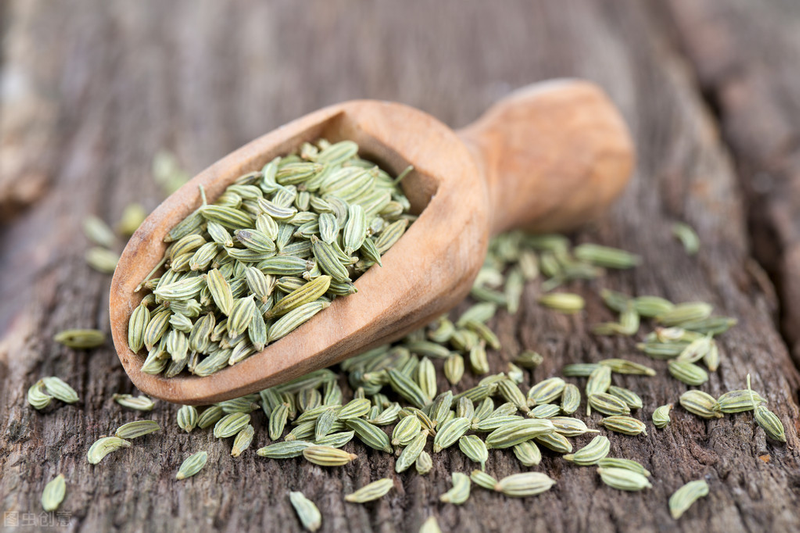
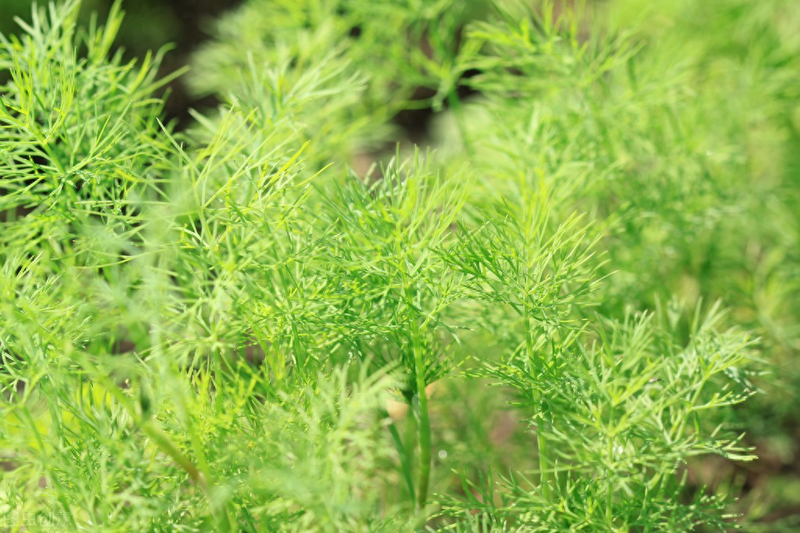
In the case of large-scale production, mainly live seed production, seed screening is conducted before seed planting, with the choice of new and mature seeds, and in order to prevent seed disease, this is done by using 0. 3 per cent syllable or west lumping before seed planting, with 1. 5 grams per 0. 5 kg seed, evenly mixed. Seeds can be spread from spring to spring
Autumn broadcasts are available in the northern part of the country, and in the southern part they are available in the spring or in the autumn, before seeding, before mixing ... A suitable amount of fine earth or grass, or after planting, overlay a suitable amount of fine earth or grass. At the time of broadcasting, 10-15 seeds were placed in each den, with a range of 24-30 cm and an acreage of approximately 500 grams. In the early part of the year, more nitrogen fertilisation is desirable. The previous period may combine inter-plant seedlings, seedlings, chinese cropping and weeding, with the application of farm fertilizer, urea or ammonium sulphate. Late growth, dominated by flowering results, can be followed up 2-3 times with calcium phosphate root。
(iii) field management
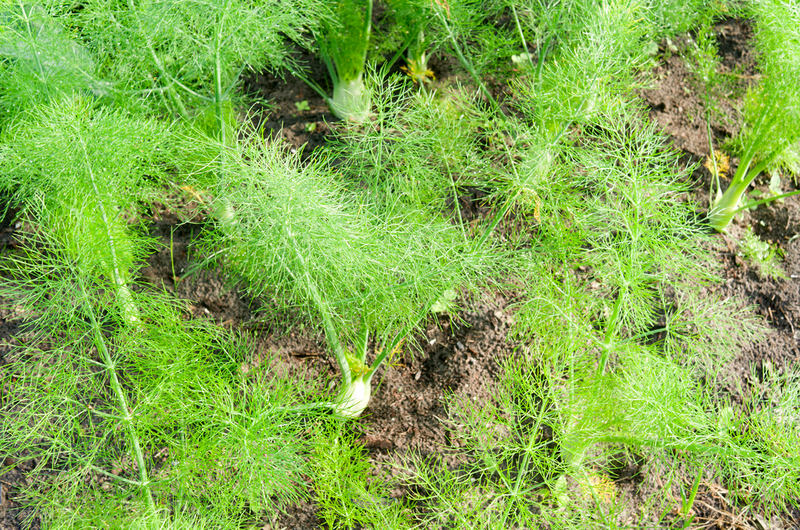
After seeding, the seedlings are 9-12 cm and 18-21 cm, respectively, with two to three strong seedlings per den. If seedlings are missing, they should be replenished in a timely manner. Weeding by china is subject to three-to-five times depending on the growth of the plant. When the land is tilled, it begins to be shallow and later deeper. For the sake of ensuring the safety of smooze's winters ... After the winter season, root soil is grown. It is hotter than the rainy season, and attention is paid to drainage to prevent flooding. Irrigation should be enhanced in the event of drying of the bouquets during the bouquet period in favour of flowering results。
(iv) pest management
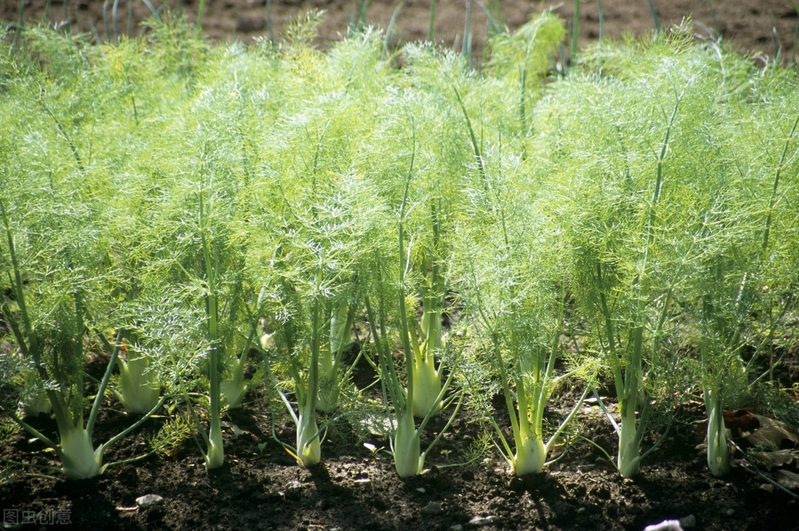
Small aroma is aromatic and prone to pests, mainly larvae larvae and larvae larvae, which are groundworms of the larvae for the pests of flowers and young leaves, gold needles and tigers. Method of prevention: a fall-down to freeze the death of larvae or beryllium in winter, which will significantly reduce the occurrence of larvae in the coming year, before larvae hatches, 50% of trichlorfon 700-1,000 times wet. Artificial catch is possible. 1 gold insects, tigers against the use of poison soil and bait to kill。
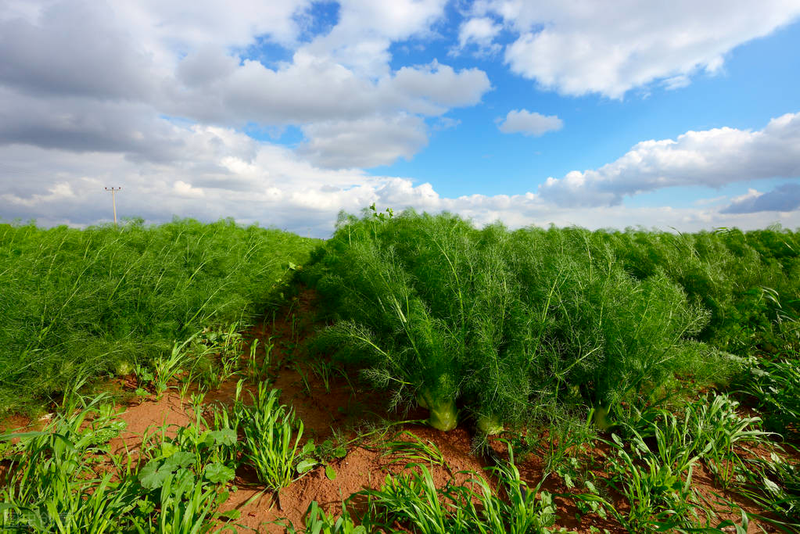
(v) harvest processing
The harvest can only take place when 80 per cent of the small fragrance fruit is ripe. – the general use of small pick-ups of pick-ups of pick-ups of pick-ups must be managed in such a way as not to cause losses in fields. It is necessary to dry up as it enters the site; when it drys up, it removes the impurities。