Zhou jijie, zhu li, don li, chen jing, wang yubin
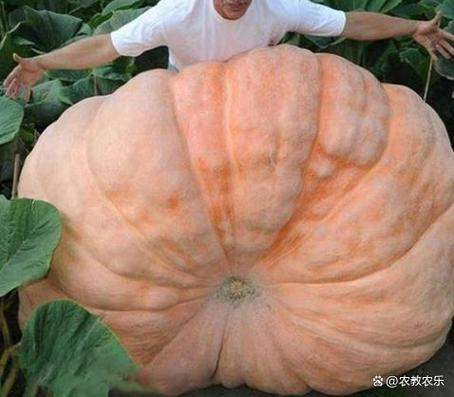
In recent years, with the rise of tourist farming, there has been rapid growth in science and technology demonstration parks and tourist farming parks, with the special characteristics of plants, with giant pumpkins enjoying special love and admiration for their superior heads and weights, as well as for their beautiful appearances, as a result of which they have become a source of taste. Through many years of cultivation and observation, the author has summarized the following giant pumpkin cultivation techniques, which are being shared。
Seed selection
The giant pumpkin species of the country's reputable research institute should be selected, and two generations of seeds should not be planted。
Seed treatment
1. Treatment using hot soup leachate. Seeds are immersed in 55-60 °c water by 15 min and are not immersed and then immersed in 25 °c water by 24 °c。
2. Placing the immersed seed with a sand cloth for seeding at 25 °c, with care to maintain the sab and seed humidity, wash it once every 24h with 25-30 °c warm water, and 3-4d can sprout with a seeding of 0. 8 1 cm long。
Child breeding
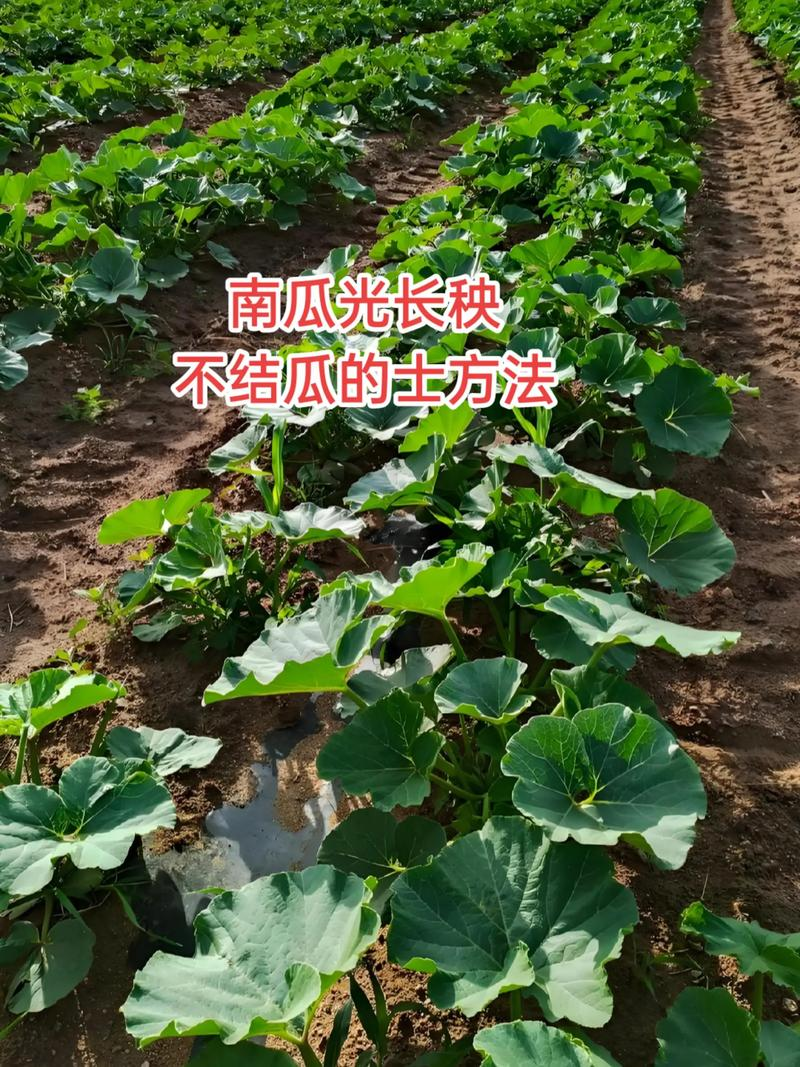
1. The cylindrical and grassy charcoal shall be mixed at a ratio of 1:1, and fed into 8*10 nutrients, then water shall be poured, and the seedling soil shall be disinfected with 1000 times the glucose or 1,000 times the ante. When water seeps, the seed sprouts down into the matrix, pressing about 0. 5 cm, with 1 platter followed by 2 cm cylindrical. After broadcast, an arch is plugged to keep the arch temperature 25-30°c and 4-5d seedlings。
2. When seedlings are produced, the archebrae is removed and the daily temperature is kept at 25°c and the night temperature is kept at 12-13°c, and the potassium nitrate compound fertilizer is sprayed 0. 1% per 2d once until it is planted。
Iv. Planting
It's about 35d, four to five leaves that are the most suitable for planting. Digs 1 m in diameter and 60 cm deep in the pre-selected plots, then decomposed chicken dung, dry fermentation soil, cylindrical stone, at 1:1, and 1 kg/m? With a three-dollar compound of fertilizing into the pit, filled to 10 cm above ground level, then flattened and ready for planting. A small pit of 15-20 cm in diameter and 20 cm deep is dug in the middle of the planting trough, with sufficient water in the pit, which, after infiltration, implants the pumpkin with the earth and then flattens the ground。
V. Field management
Plantation management
"u" in the form of a barbed wire, which is fixed on the surface of the earth, until the roots of the mackerel are taken off, without the need to crush the chicken in order to prevent its decay. The timely removal of the heart, pollinating and retaining branches requires the removal of the first female and the pre-flower mustache, with two to three leaves left on the side branch for the heart; the main chicken grows to around 10 m for the heart. When the chicken grows to 200 leafs, it cuts off the top and the new branch on the side to ensure that its nutrients feed the growth of the pumpkin. ♪ when the leaf handler reports in each leaf, rips off the root near the pumpkin and gives the melon space to grow。
2. Saved melons
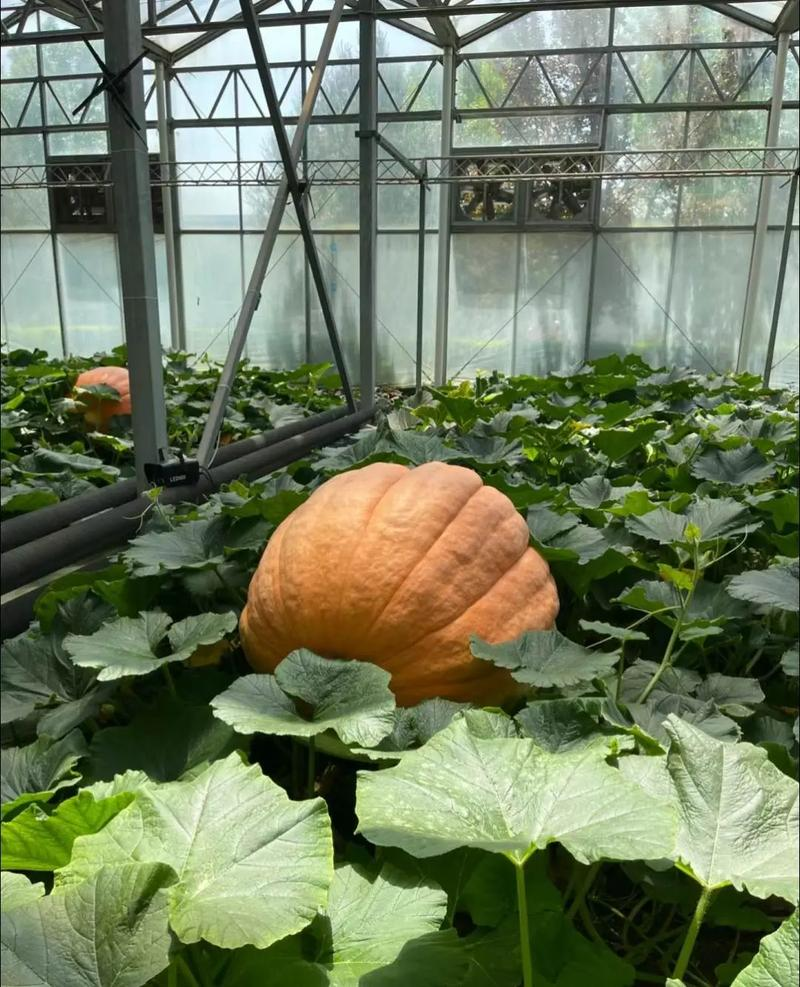
The first female on the main branch is removed, the second or third female is preserved, the chicken grows up to 2. 5-3 m, and at 8-9 a. M. It is chosen to remove a fresh male flower, to repair the outer bouquet and to shake the pollen over the female column. Two of the pollinator-dwelling melons will be set aside for early fruit to grow into tennis hours to choose a large, well-shaped reservation and another to be removed in time to remove the remaining female. # place the melon in a flat, slightly higher position and leave mem2 space。
Watering
The planting of 5d was followed by the watering of seedlings, which was subsequently carried out depending on the conditions in the field, the soil was kept dry and wet, summer attention was paid to drainage, the water was increased to the extent of the fists, and adequate water supply was ensured。
Fertilizing
After applying bottom fertilizers, the melons are not followed up until they reach a fast-growing age. A combination of watering is applied to 1kg compound fertilizer of 3 kg and 80 kg of decomposed organic fertilizer, followed up every 5-7d, and foliage is sprayed with 0. 1% potassium nitrate compound fertilizer。
5. Pest management
(1) diseases
It is mainly powdered, which can be prevented by increased ventilation, soil and air moisture maintenance, sprayed with 1,000 times rusty and 1,500 times white doctor, and two pesticides rotated every 7d。
(2) pests
The main pests are white ticks, aphids and leaf flies. Spray treatment may be provided with 1000 times less lice, 1,000 times more vermin and 1,200 times more vermin。
Collection and storage
When the skin colour of the pumpkin gets darker, and the body becomes hard, the head is big enough to harvest. Before harvesting, the water that can be mixed with the cucumbers must be converted into a paste, evenly applied to the pots and cucumbers in order to prevent fungus and bacteria from entering; immediately after harvesting, raw lime must be spread over the magma, in order to heal the wound and reduce the infection. The taken melons should be stored in a cold, dry, cold and dry place, where they must be too hot and wet to survive。