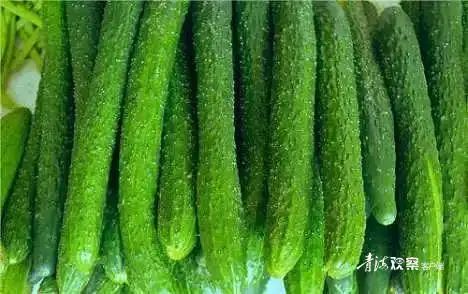
It's called a guacamole. It's a mutation of cucumbers。
The melons are soft, productive and resistant to storage. In the supply of vegetables for the anniversary year, there is a particular role in alleviating the rest of the season. Peasers are well nourished and eat mainly nuts, and ripe fruit is also available。
Requirements for environmental conditions
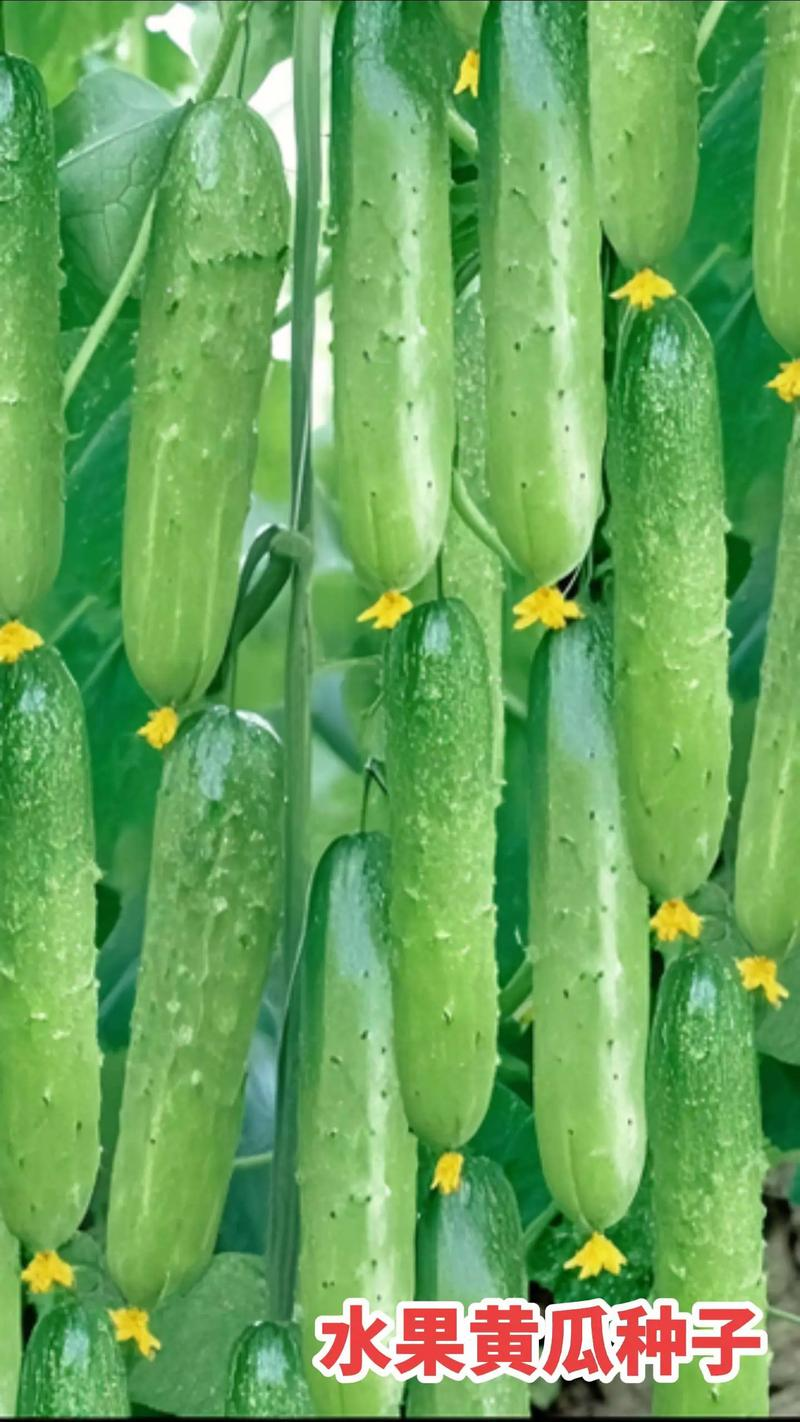
The melons are suitable for higher temperatures, with the leaves growing rapidly at 20°c to 30°c, with earlier flowering results, and slow growth and growth below 15°c. Temperature requirements vary between growth periods. The seed germinates at around 30 °c, and the chicken season is also suitable at around 20 °c; the flowering results are suitable for higher temperatures, between 20 °c and 30 °c, and normal results at around 30 °c, and the fruits below 20 °c are slow to develop, with some difference in temperature between day and night。
The requirements of melons for the length of light are less stringent, but require that the soil be highly fertile and suitable for organically rich sandy or viscous sandy soil。
The melon roots are more developed and absorbent, but the melon leaves are thick and large, resulting in more water consumption. The melons are unsustainable but require higher soil moisture。
Ii. Cultivation techniques
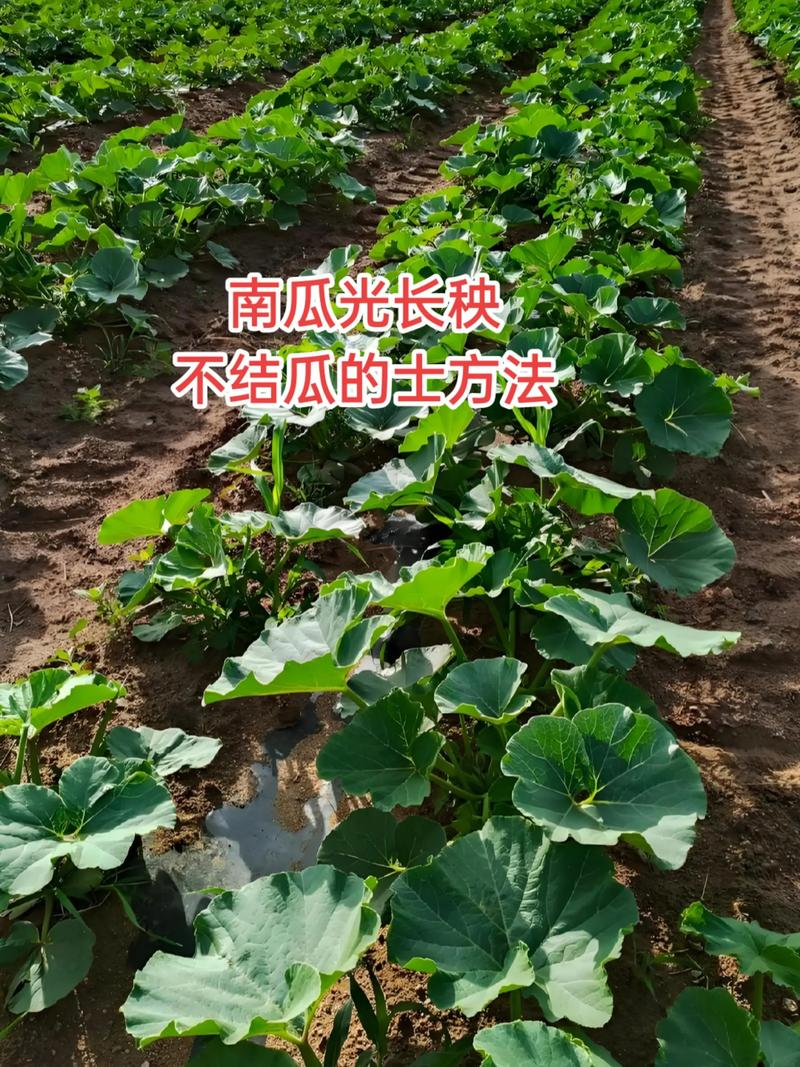
1. Cultivation season. During the planting season, most areas of south china can be cultivated in spring, summer and autumn, and in the spring and summer and two seasons in the north, in accordance with the requirements of the growth and development of the melon for climatic conditions, especially temperature conditions. The spring planting period runs from january to march and can be established in protected areas (greenhouses, huts, sheds) or open areas, with harvest periods from april to the end of may. The summer planting period is from june to july and the harvest period is from september to october。
Cultivation density. Cultivation density varies depending on the planting season. The plant is now grown for a short period of time, usually at a distance of 0. 5 m x 0. 3 m, with around 3,000 acre. It's more dense, it's rare to climb。
Cultivation. The seed sprouts of smelts are generally incomplete, so seedlings should first be impregnated and live. Underwater with cold water, hot water on the side of the basin, while the edges are mixed to avoid burning seeds. When water temperature rises to around 50°c, it stops bulging, planting for between four and five hours, extracts seeds, binds them with wet cloths, embroiders at around 30°c, washes them in warm water every morning and at night, and sows after two to three days until most of the seeds are sprouts。
Seeding should preferably take place in a nutritious earth, which should be well-saturated, well-ventilated, fertile and infested fields, and be joined by decomposed horse or pig dung, such as, for example, decomposed charcoal。
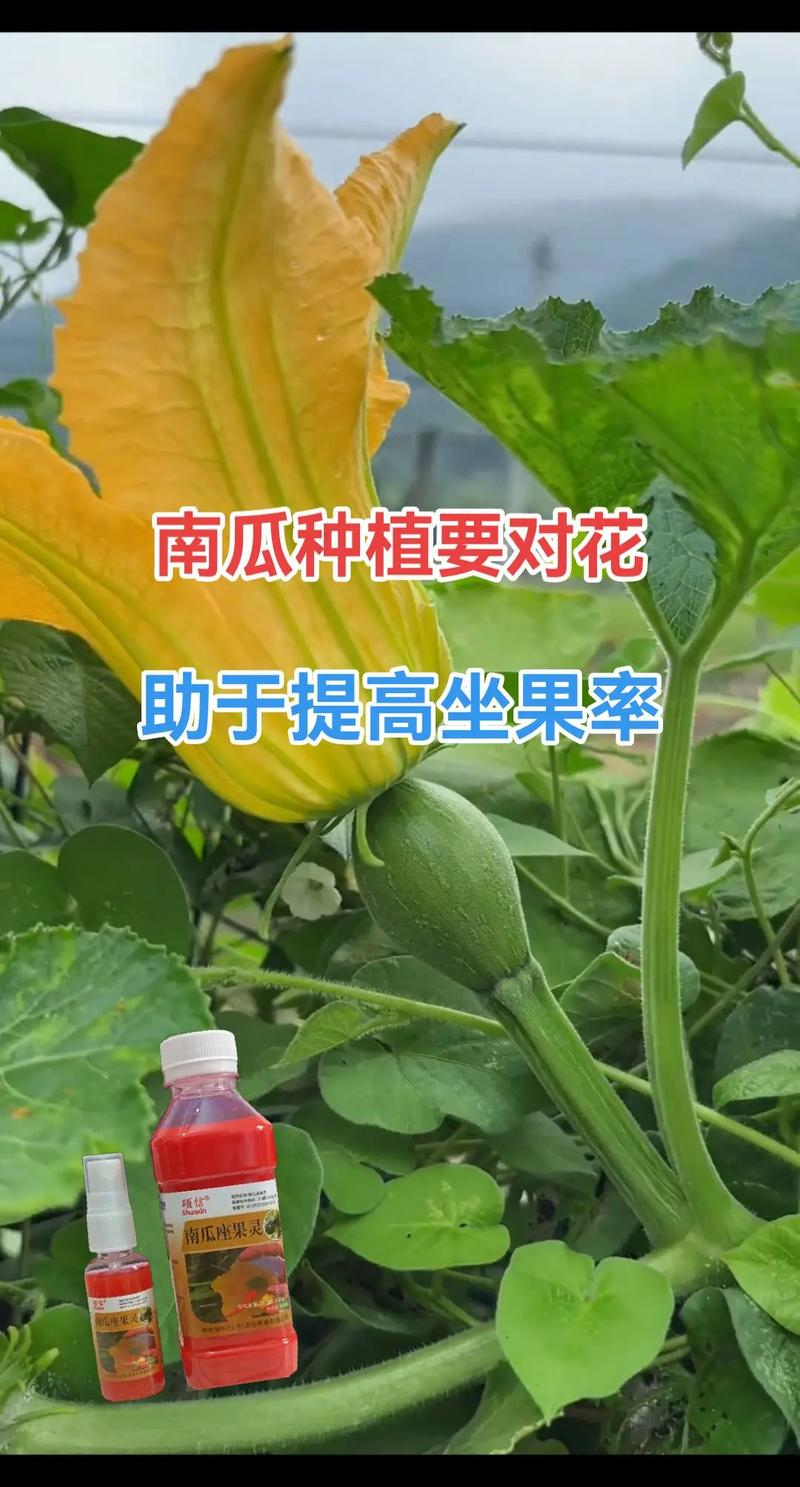
4. Plantation adjustment. After five to six knots, the tubing is long, and each section has a curly-skin that shows a creeping growth and requires a scaffold. The setting of chickens requires timeliness, integrity, balance and stability。
5. Fertilizing irrigation. They have a strong absorptive capacity and are vegetables that require more nutrients and moisture. Nitrogen fertilizer needs to be supplied on a continuous basis over the entire growth period, with increasing use and concentration. Potassium fattening of phosphorus is required after flowering results in order to maintain good leaf growth and number of results. In general, between 4,000 and 5,000 kg of composting (pigs, chickens, cattle, horse dung, etc.) per acre are used as base manure and can be used as human urine or fertilizer in pursuit of fatting, with the following concentrations and principles: prior to the seed age, concentrations ranged from 10 to 15 per cent; during the chicken season, about 30 per cent; and during the flowering outcome, about 40 to 50 per cent. Fertilization is usually pursued every five to seven days。
The melon needs less moisture before the chicken season, more moisture after the flowering results, and the soil should be kept humid on a regular basis. (source: li gwang-ryung, 5 july 1999)