Super-sweet corn, which is used mainly for fresh food or canning, can be cooked, steamed, boiled, raw, and tastes sweet and digestive and is well received. So how do you grow super sweet corn? How do you grow high yield
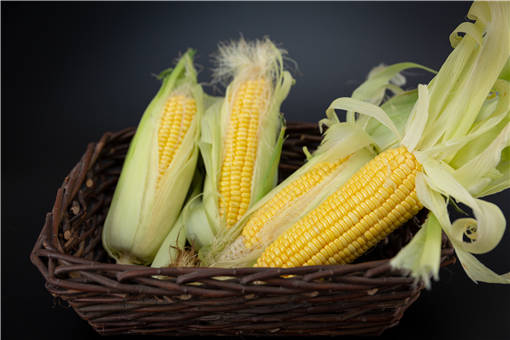
1. Pre-plant preparation
First of all, we need to make the right choice. The silhouettes of super-sweet maize require flat ground, soft soil, fertile soil and easy drainage. It is necessary to note that when planting super-sweet corn, it is necessary to maintain a certain distance from normal corn, with a distance of 300 m being the best, in order to prevent corn from being condensed and to affect the taste of super-sweet corn。
Second, it is important to choose the best local situations. Super-sweet corn can be divided into more types, many types, domestic and foreign, based on sugar content. However, given the relatively low growth rate of super-sweet maize and the low capacity of the topsoil, it is a good seed that must be chosen for local conditions, such as sweet jade 2, sunshine 1, cosweet 110, etc。
It's over. Just take care of it. Because of the high demand for super-sweet maize and in order to enable people to eat super-sweet corn at the earliest possible opportunity, many farmers often choose to plant super-sweet corn early without concern for their taste, a practice that is worth a millionaire. In order to cover the taste and production of ultra-sweet maize, the luminous luminous shades should be determined according to climate, temperature and humidity, and the luminous luminous luminous luminous luminous shades of late february to early march。
Field management
At the beginning, when the baby leaves of super-sweet corn grow into two or three pieces, it is necessary to stop planting, and the luminous parts of the plant, as far as possible, are chosen in the middle of the day. Because the seedling is tenderer and the sun is too strong, the seedlings die. In the process of seedling development, it is important to observe the development of seedlings in more fields and, if they are not well developed, to be able to stop harvesting in real time to cover the production of supersweet maize. As a rule, seedlings are collected locally, and surplus seedlings are stopped in the fields. It shall choose between the sun and the day, so as not to burn the seedlings。
Secondly, the application of fertilizers to the planting of super-sweet corn is also necessary. Fertilizers are mainly applied to farmers, in conjunction with potassium nitrogen phosphorus. The combination of nitrogen phosphorus fertilizer and organic fertilizers can reduce soil strength to phosphorus, make phosphorus fertilizer readily available for maize adoption and improve fertility. The application of fertilizers is based on three methods, namely, stripping, evaporation and cave application, and super-sweet maize is the most effective in concentration and den application. Both stripping and lacquering should be preceded by sufficient fine-shaping, and joint cropland should turn fertilizers into soil. The application of fertilizers is too small and should be stopped in strict accordance with the instructions of the fertilizer application. Attention should also be paid to proper irrigation. The process of the development of sweet maize is dominated by the persistence of soil wetting, with soil holding at 60 to 70 per cent suitable for water accumulation. Run-off horse water in real time during droughts and drainage in real time during floods。
Finally, weeding is also necessary in the development process of supersweet maize. The development of weeds receives nutrients from the soil, affecting ultra-sweet maize. In the case of weeds found, removal should be stopped in real time to improve the small field climate. At the same time, pests and pests can affect the nutrients of supersweet corn. Thus, in order to guarantee the growth of supersweet maize, pests and pests can be prevented and managed by such measures as breeding resistant to disease, rotation, proper planting, scientific fertilization and chemical control。
3. Real-time harvesting
Early and late harvests directly affect crop yields and quality, especially for supersweet maize. Early harvesting reduces the mineral content of super-sweet maize and lowers its nutrient content; late harvesting reduces its sugar content and reduces its taste. It is that patrols are often stopped when super-sweet maize is about to mature, and suitable light-negative real-time extraction is chosen. In normal days, supersweet corn is picked up after pollination by 20-25 d。