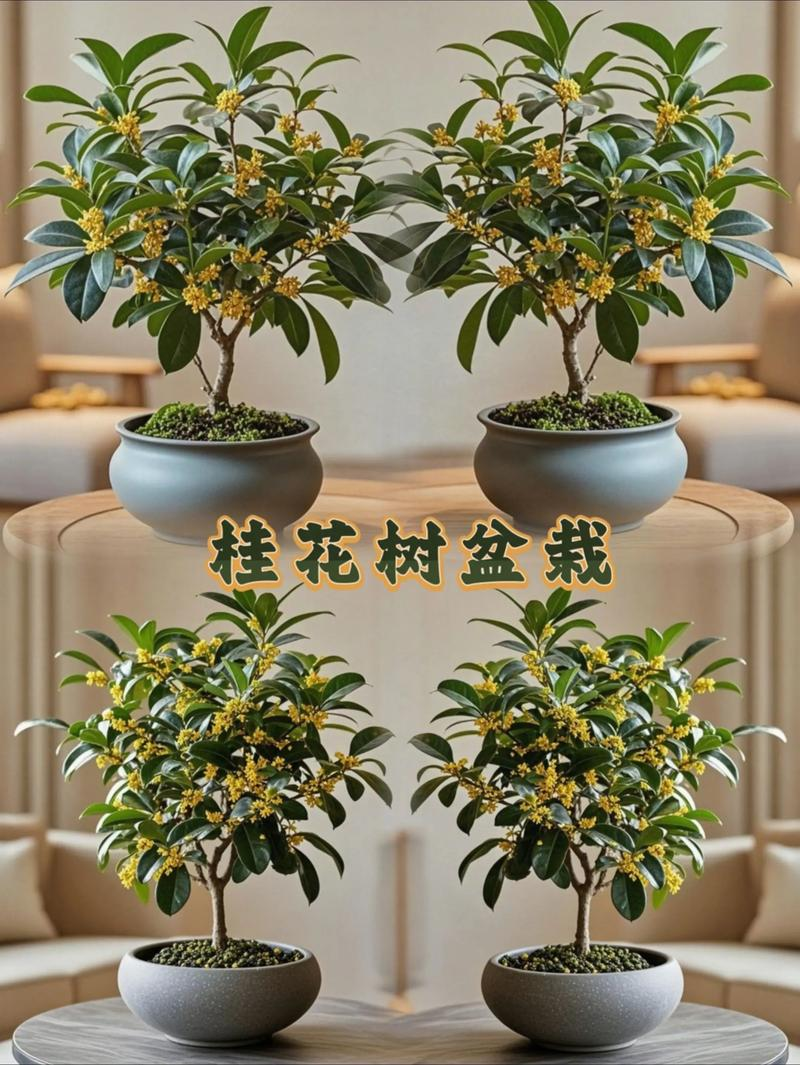
Battery selection: the green leaves of guacamole, the green flowers of four seasons, the deeper pelvis or the square basin, the diameter of which is roughly the same as that of the guacamole, is conducive to growth and growth. The pots are made of purple sand pottery or pottery. The colour is better in purple or tan, which contrasts sharply with the colours of flowers and leaves and increases their visibility。
(b) land: cinnamon fertilizers, with fine sandy sandy soil. Cultivated ground is usually made of field fields, composts and river sands of one to three, so as not to become infected with pests or diseases。
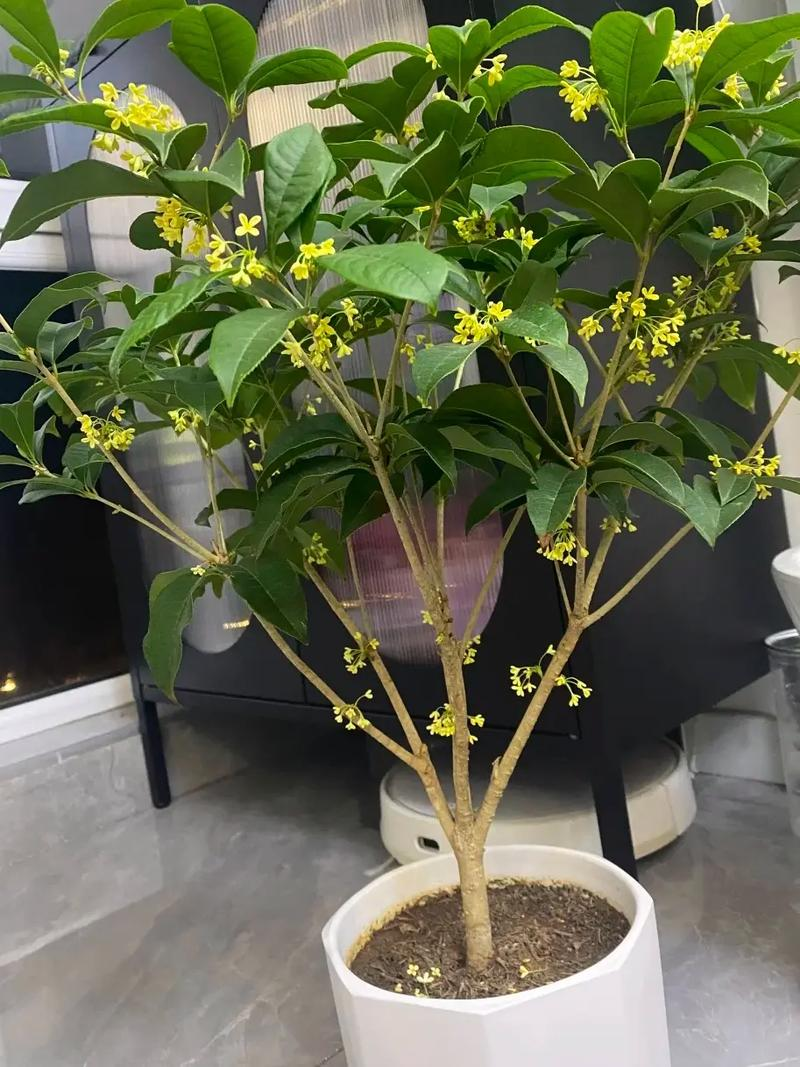
Cultivation: cinnamon flowers should be planted in the early spring or fall, with a layer of sand or cylindrical rock on the bottom of the basin in front of the basin, to be drained with a smooth flow, and a layer of about 2-3 cm of peat or mud on the top, up to 1-3 cm deep in the basin. The cinnamon seedlings with earthballs are then placed in the basin, so as to cultivate the soil, press it with their fingers and fill it close to the mouth, which should be two to three centimetres lower than the mouth of the basin in order to water and fertilizer. When planted, water is poured and then moved to the shade for about 10 days to make it a “basket” to gradually restore growth。
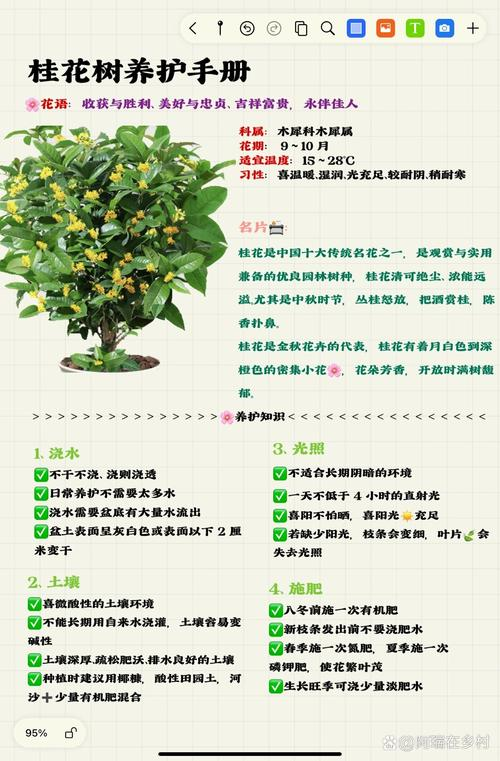
Watering: the principle that the cinnamon pellets are either dry or watered. In general, springs and autumns are watered every three to four days, summers are watered every day at high temperatures, winters are watered every seven to ten days, summers are watered early and late, winters are watered around noon, bringing water warmer to the ground, so as to avoid sudden cold and heat and damage to root systems. Water should be watered in the autumn at an appropriate rate, and during the rainy season, the basins should be prevented from being wet or watered。
Fertilizer: the cinnamon tree basin is mainly a flower view and should be supplied with sufficient fertilizer, with one or two times of nitrogen fattening on the basis of which the leaf is grown, with phosphorous fertilizing before the grafting and flowering takes place, and with a slightly drying of the soil before the fertilization, and with a lightening of the soil to absorb the fertilizer. Water should be poured once on the day after fertilization. In the case of composting or school fats, they must be fully decomposed before they can be used. Fertilizers are applied over calcium phosphate at concentrations not exceeding 2%。
Shearing: integrative trimming of the cinnamon tree, which should take place after the autumn, cutting out the upper branch of the strong branch to balance the tree position. And the branches which are too dense shall be trimmed, and the branches shall be removed from them, and the nutrients shall be concentrated, so that the flowers may bloom. Integrative trimming, combined with management of water fertilizers, improves the robust growth of the cinnamon basin view and maintains excellent postures。
Change: cinnamon view can be changed every two to three years. The new basin can be bigger and grow with the luminous roots. In combination, cut some of the old roots and the dead roots, cut out some of the old soil with bamboo stickers, and replaced it with fresh, loose, fertile, new breeding soil, and put corroded bread fat on the bottom of the basin, which must be compacted, so as to promote the guacamole。
Diseases: the common diseases of cinnamon are foliage, coal pollution, algae, roots, iron deficiency, etc., which should be addressed. Leaf, coal and algae diseases can eject 0. 5 boldos or 5 % more than 500-1,000 times more. The root causes of decomposition should be kept in order to keep the soil ablaze and not accumulate water, for example, when fungus causes it, the roots can be ploughed with ammonium dyson from 200 to 300 times the fluid。
Pests: the common pests of cinnamon are bee, lice, mites, long whites, yellow moths, etc. Leather bees, pink lice and mites can be sprayed with 100% of fruit 1,500 to 3,000 times the fluid. Except for the removal of artificial brushes, the first generation can be sprayed with 400% oxidated fruit 1,000 times the fluid or 40% with 500 times the fluid。
(according to gardening encyclopedia)