Keywords: wheat; super high yield; cultivation techniques
Abstracts of the papers present ultra-high-yielding planting techniques for wheat from the application of soil formulas, the screening of good varieties, the selection of the best dry season, mechanized semi-precision expansion of seeding, tillage suppression, seasonal application of nitrogen fertilizers, chemical weeding, chemical control and insulation, and integrated pest and disease management, with a view to providing high-yield cultivation for wheat。
In recent years, lissing county has carried out a full-scale wheat-high-yielding competition, integrating the technical guidelines of the wheat-high-yielding-off system and implementing the technical links, which have led to an annual increase in wheat production, the emergence of super-high-yielding fields and high-yielding demonstration areas with a large volume of production exceeding 9,000 kg/hm2, and the following techniques are being used for super-high-yielding wheat cultivation。
1 soil formula fertilization
Increased application of organic fertilizers and the promotion of slurry-recovering techniques can produce soil fertility, increase soil base fertility, increase wheat resistance and improve wheat quality. The past preference for the use of fertilizers, the neglect of organic fertilizer accumulation and the random loss and waste of some straws have largely limited the increase in food crop yields. In recent years, fertilization efforts have been made to understand the state of soil nutrients, which are low in soil organic matter and slow in growth, with rapid effects in the range of 1. 2 to 1. 4 per cent showing a downward trend in nitrogen, phosphorus and potassium; in response to this situation, we have developed a programme for the fertilization of soil formulations. Autumn species are required to ensure that organic fertilizer is increased by 45t/hm2 or more and that the field is covered by a straw of around 2,250 kg/hm2, with a reasonable ratio of nitrogen, phosphorus and potassium-efficient fertilizers for the purpose of use, production and consumption. Based on the test, the base rate of fast-acting nitrogen fertilizers was considered to be a conservative 7. 3%, with phosphorus, potassium in one-time application, with a specific dose of urea at 300 ~375 kg/hm2, ammonium phosphate at 150 ~180 kg/hm2, potassium chloride at 120 ~135kg/hm2. The bulk of the production through the production and inspection of organic fertilizers by the organization of expert production and acceptances was over 9,000 kg/hm2, with a maximum yield of 9,525 kg/hm2. As a result of the technical experience gained in recent years, the application of increased organic fertilizer and the promotion of slurry recovery are key to the acquisition of high wheat yields through scientific soil formula fertilization techniques。
2 screening of excellent varieties
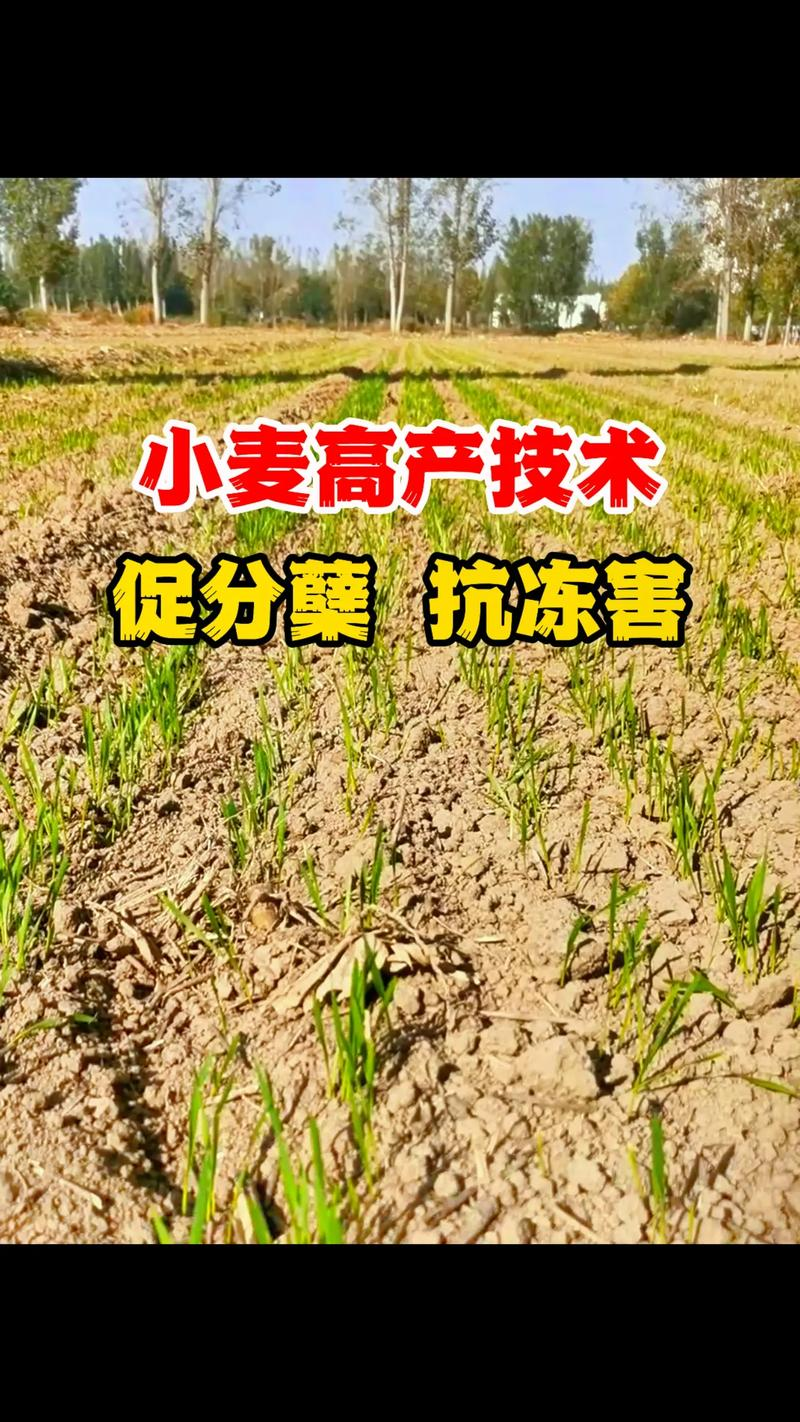
In previous years, there had been a marked increase in the number of varieties of wheat in our town, with over 70 per cent of the area planted by spring varieties, which were dominated by wheat. This resulted in annual freezing of wheat before winter and a significant reduction in wheat production. In order to address this problem, we have strengthened the screening of contrasts of varieties and, by contrasting cultivation, have selected a number of new, high-yielding and freezing-resistant varieties, such as barley 50, barley 52, smoker 19, sinnon 797 and wheat 70, which are the main thrust varieties, with seedlings, and have eliminated old varieties of cold-resistant varieties such as wheat preparation 18, barley 34 and zheng mai 9023, thus laying a solid foundation for a new production of wheat in our town。
3. Select the best airtime
The premature planting of wheat is prone to pre-winter freezing, which is detrimental to quality production, and the late planting is detrimental to higher yields. The choice of the optimal duration is a key link in seizing the quality of wheat production. To achieve the twin goals of high-yielding and high-quality wheat seeding is very important. Through years of experience, it has been concluded that wheat production requires proper early broadcasting and wheat production requires adequate delay. This creates a contradiction, so the choice of the optimal broadcasting period for wheat is the only way to achieve high yield and quality of wheat. Semi-winter varieties are best broadcast on october 10-15 and spring varieties are best planted on october 18-25, both to prevent the freeze caused by the premature planting of seeds and to increase yields and reduce nutrient consumption and quality. At the same time, sufficient seeding, within a time frame, can promote rooting, increased nutrient absorption and increased resistance to freezing, thereby ensuring higher yields。
4 mechanized semi-precision sowing
Anticipatory, semi-precision seeding, deep and shallow, homogenous, conducive to ventilation. Increased promotion of mechanized semi-precision extension techniques for seeding, with the introduction of an increase in seeding slogans such as “minus 5 kg and more 50 kg of grain”. General sowing is controlled at 135 ~180 kg/hm2 and spreads from 20 cm to about 23 cm, facilitating growth and the development of reasonable groups, reducing the risk of reversal and laying the foundation for high productivity。
5 rotation tilling
Rotation farming is a method of land consolidation used on a large scale, but it is shallow, empty, leaky and fertilized, with large gaps in soil, unfavourable roots, and prone to pre-winter freezing. In order to address these problems, it has been possible to promote the techniques of replanting, i. E. The planting of time-belt suppressors, and, in the case of seedlings, the use of machines, rakes and dredges to suppress them, with clear results. In particular, in the context of the pre-winter boom in wheat, the introduction of a general crackdown has played a key role in promoting weak control, ensuring the growth of wheat in the early stages and preventing a later fall。
Six-phase nitrogen fertilisation later
Increased promotion of fertilisation, nitrogen fertilisation and reprocessing technologies. The phased application of fertilizers, the subsequent transfer of nitrogen, and the rational distribution of fertilizer use, ensuring that fertilizer is required at a later stage, are essential to limit the extension of the nostrils and to promote the large size and weight of the ears. In general, urea was followed up on 15-20 march, at the mid-point of the wheat festival, from 120 to 150 kg/hm2, which could effectively prevent the degradation of small ears and contribute to yield rates。
7 chemical weeding
Chemical weeding reduces water competition between weeds and wheat and increases weeding. Strengthen weed comparison tests of different herbicides, conduct careful comparative research studies of different varieties, quantities, methods of use and periods of use, and provide a reliable basis for the selection of a reasonable chemical weeding method for road-to-road and safe herbicides. The chemical weeding was best served by multi-point tests in late february through early march, using a pharmaceutical agent of 75 per cent of the giant star 22. 5g/hm2 for water 600kg spray, or by making it run 600m l/hm2 spray. After 15 march, herbicides were banned during the barber festival。
8-current
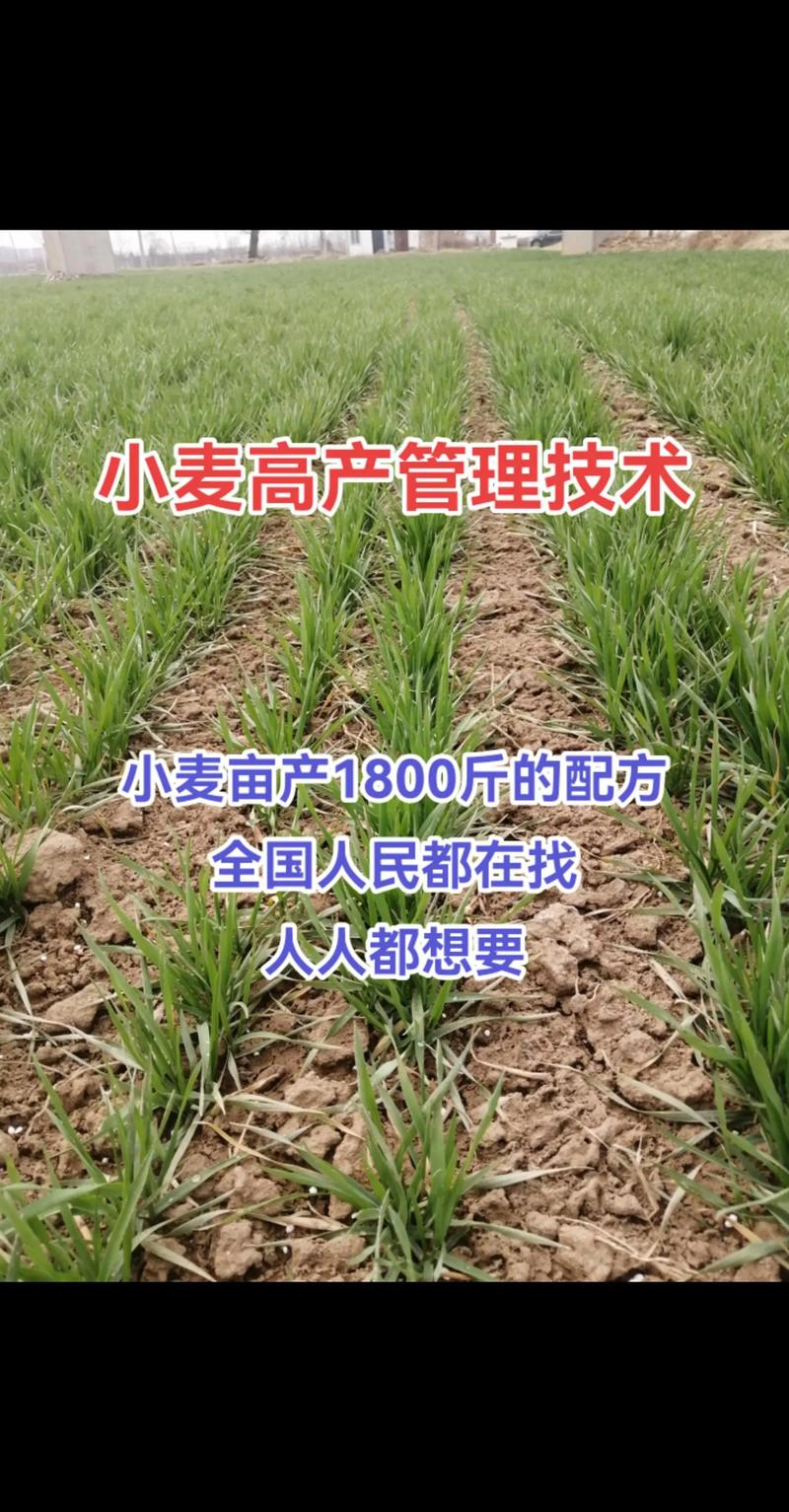
In the case of large groups and large groups, early detection, early analysis and early prevention are necessary. Increased technical guidance on repression prior to the spring season, after the spring season the application of boosters, polyoxidation, chemical control, water 600kg sprays with boosters or polyazole 450 ml/hm2 can be effective in preventing excessive stretching of the nocturnal phenomenon。
9 integrated pest and disease management
The long production time of wheat and the incidence of pests and pests have resulted in the adoption of integrated forecasting, harmonized technical guidance, harmonized application methods and integrated formulation techniques to prevent infestation. An integrated treatment of wheat powder disease, rusty disease, rhesus disease, wheat spiders, aphids, etc. Was provided by the use of 3000 ml/hm2 and high-efficiency chlorocymethrin 300g/hm2 for water and the prevention of wheat-stripping, aphids, etc. For the purposes of plumbing and slurry periods by the application of 1. 25 kg/hm2 and 750 kg/hm2 for water。
10 other
The high yield and productivity of wheat is also affected by a number of constraints, such as the timely rainfall to ensure that the seeds are planted, and the timely snowfall to ensure that wheat is safe for winter. The timely irrigation of rainfall during the slurries of wheat, which ensure the availability of fat water, and the clear weather during the harvest, which ensures the timely harvesting of wheat and the return of granules, are also essential external conditions for the high yield of wheat。