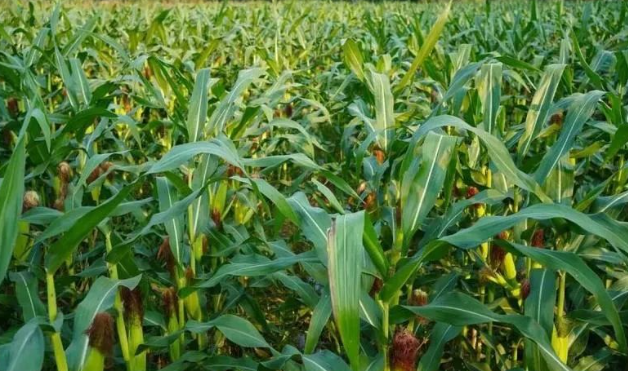
Corn is the country's main food-for-grain crop, planted in the spring and summer, is highly mechanized and economically viable, and is the preferred crop for farmers. Increasing maize production is an important task for agricultural producers. This paper analyses high-yield quality maize cultivation techniques and management practices with the aim of providing scientific reference。
Scientific cultivation techniques
Preferred land block
Soil fertility, good drainage and suitability for terrain are essential for maize growth and production. The selection of plots with deep, fertile soil, ph 6. 0-7. 0 and organic content of more than 3 per cent to ensure nutrient availability and promote healthy growth. Since maize requires large quantities of water and is not resistant to flooding, well-drained plots should be selected, especially in rain-fed areas, and effective drainage systems need to be put in place to maintain suitable soil moisture levels。
Processing
The whole area is covered by a tiller, which is controlled at depths of 20-30 cm. Deep tillage improves soil structure, promotes weed and weed decomposition, creates decay, improves soil fertility and water conservation and nutrition. The ph values can be adjusted by applying lime to soil tests, if soil acidity is found, and for soil with insufficient fertility, organic fertilizers such as farm household fertilizers are applied to improve soil structure, enhance fertility and support maize growth。
Varieties selection
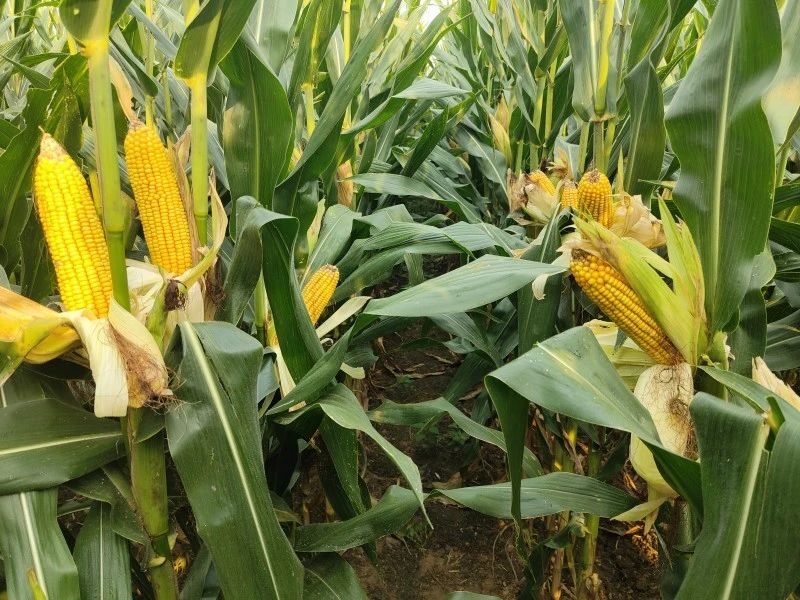
The selection of varieties should take into account climatic, soil and other conditions, as well as the growth and disease resistance properties of maize. Environmental factors such as temperature, precipitation and light need to be determined, such as the selection of high-temperature-resistant varieties in warm areas and flood-resistant species in rain-prone areas. At the same time, growth cycles, yields, quality and pest resistance are assessed, and quality varieties should have high yield potential and good pest resistance in order to reduce the impact of pests and diseases and increase the efficiency of cultivation。
Seed management
Seed treatment increases gerontization and reduces endemic pests. Operations include: screening seeds for impurity and non-conformity; impregnation of 6-12 hours of softening skins; seed disinfection with disinfectants such as bleaching powder and hydrogen peroxide; and selection of microbicides or insecticide blends to ensure breeding。
Scrolling occurs at an average temperature of more than 10°c and a soil temperature of 8°c-10°c. This helps to ensure that maize receives sufficient temperature and light, and increases the rate and duration of seedling growth. Early or even late seeding can affect maize growth, and early planting can lead to poor seed sprouts, and late planting can expose maize to high temperatures or drought, affecting yields and quality。
Seed density is essential for land use and maize growth. It should be based on species characteristics, soil fertility and climatic conditions. Often, fertile land can be used for high density, with wide-banded technology, 80-85 cm wide and 25-35 cm narrow, while marginal land should be reduced in density, using the same distance technology, with a distance of 60-80 cm。
Corn precision field management measures
Saplings and seedlings
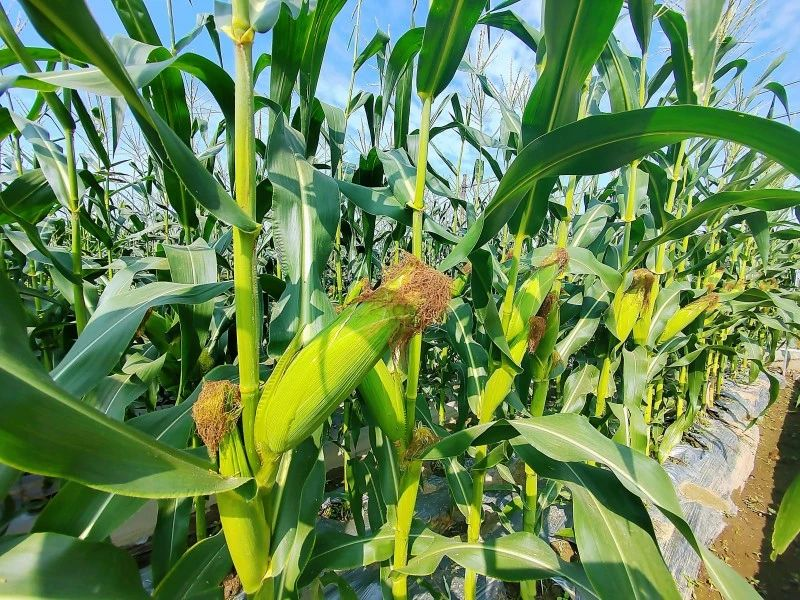
Corn seedling management includes time and time seedlings and seedlings to ensure field maize production. The seedlings are the seedlings that are weak or poorly developed and, depending on the size of the plant, are supplemented by the number of plants that are grown to the less developed areas. Plantation should be carried out in such a way as to preserve the integrity of the tree and immediately water the tree to help adapt to the new environment。
Weeding in time
Weeds compete with maize for resources and limit their growth and production. In particular, weeds grow fast, cover the ground, affect corn photocosm and increase the risk of disease and pests. Therefore, weeding needs to be given special attention during the seeding period and in the early stages of growth, and the first weeding should take place shortly after the seeding of maize in order to reduce weed effects. As maize grows, weeding is also required several times. In large-scale cultivation, the use of herbicides is recommended, care is taken to select suitable doses and varieties, strict adherence to instructions on use and avoidance of damage to maize and soil environments。
Scientific fertilizer
Rational fertilization is essential for the growth of maize and contributes to its healthy development and production. Since the nutritional demand for maize varies at all stages of growth, the grower should catch up with it in a timely manner. Vegetable corn requires a large amount of nitrogen fertilizer for growth and foliage development, with the first nitrogen fertilizer application occurring two to four weeks after planting. Phenomenon periods, which are peaks in maize need to be supplemented with nutrients such as nitrogen, phosphorus and potassium in order to facilitate the formation and growth of the ear, are met by the application of composite fertilizers. Potassium fertilizer is required for maize slurry to promote seed grain expansion and production. Fertilisation at this stage enhances the quality of seed grains and the speed of the slurry to ensure smooth maturity. Potassium-containing fertilizers should be applied to promote growth and increase production, and 50 kg/hm2 urea and 110 kg/hm2 ammonium nitrate are recommended. Fertilisation should be based on the principle of “minimal multiplication” to avoid excessive waste and growth problems. In combination with weather, it is advisable to apply fertilizers in the middle of the day or after the rain to reduce fertilizer loss。
Rational irrigation
Rationally irrigate maize to meet its needs at different stages of growth. Smaller water is required for the seeding season, soil moisture is maintained to promote root system development; increased water is required for the runoff and withdrawal periods, and increased irrigation is required to ensure normal growth and photocooperative use. In the wet or rainy season, proper reduction of irrigation to avoid respiratory difficulties at root。
Corn pest control measures
1 agriculture prevention and control: technologies to reduce pests and pests by optimizing agricultural management to increase corn resistance. These include scientific overhauling of soil structures, deep-sliding soil to destroy pathogens and pest habitats and promote root system development; selection of resistant varieties to reduce disease and pest occurrence and reduce chemical pesticide use; rational fertilization and irrigation to meet nutritional needs, prevent nutritional imbalances and optimize growth conditions; and timely weed removal to reduce the source of disease and pests and ensure healthy growth environments。
Biocontrol: biocontrol techniques are an environmentally sound and sustainable pest control method, controlling the number of pests and pathogens through biological interactions, reducing the use of chemical pesticides, protecting the ecological environment and increasing maize production. Specific methods include effective control of pest breeding and spread using natural enemies such as aphids and parasitic bees or parasitic pests; the use of pathogen microorganisms such as bacillus and plasmodium, the destruction of the biological function of pests after infection, the efficient neutralization of pests, and the safe and non-polluting of humans and animals。
Physical control: physical control techniques control pests in the field through the use of physical tools, including the use of netnets, membranes, etc., to cover maize plantations, prevent infestation, trap infestation, trap flyworms, cedars, etc., and use light to trap night pests, remove pests and weeds; use special light, such as infrared light, ultraviolet light, to kill or repel specific pests; and build protective barriers and plant protection against pests。
Chemical control: chemical control techniques control maize pests mainly through the use of chemical pesticides. They need to be tailored to specific pests and pests and adapted to local prevalence patterns. For example, corn rust can be sprayed twice every five days with 25 per cent circa or 25 per cent dilution of ether acetate; corn rink can be sprayed with 1,500 times more antigens or 1,000 times more berries; corn can be killed with 40. 7 per cent poisoning with thorium, thiram and thiram; and corn aphids can be treated with 40 per cent aphid spray。