In the evening of july, a clean and flat cement road was extended from the village council to the field in the village of mabukang, north of yongchon county, guangdong province. The villagers were talking about the garden in front of the door. Opposite the farmers' homes, a luminous paddy field appeared in the curtains, and the paddy ears of midian were bent down, offering hope for a new season of good harvest. This is the base where shenzhen capital operating group's counterpart helps the village to increase its production and harvest。
“this year, we grow more than 800 acres of selenium and are expected to produce approximately 460,000 pounds of selenium annually.” wang lin, first secretary of the shenzhen capital operations group and head of the poverty alleviation task force, told the economic daily china economic network journalist that the village was a high-quality rice-producing natural area, that the soil was free of heavy metal contamination and that the climate was suitable for double-season rice cultivation. However, in the past, there was a lack of integrated local management, there was no standard of scientific regulation in the selection and management of seeds, production was unstable, there was a single distribution channel, there were poor returns from rice cultivation, villagers were less motivated to grow rice and there were more cases of rice fields being abandoned。
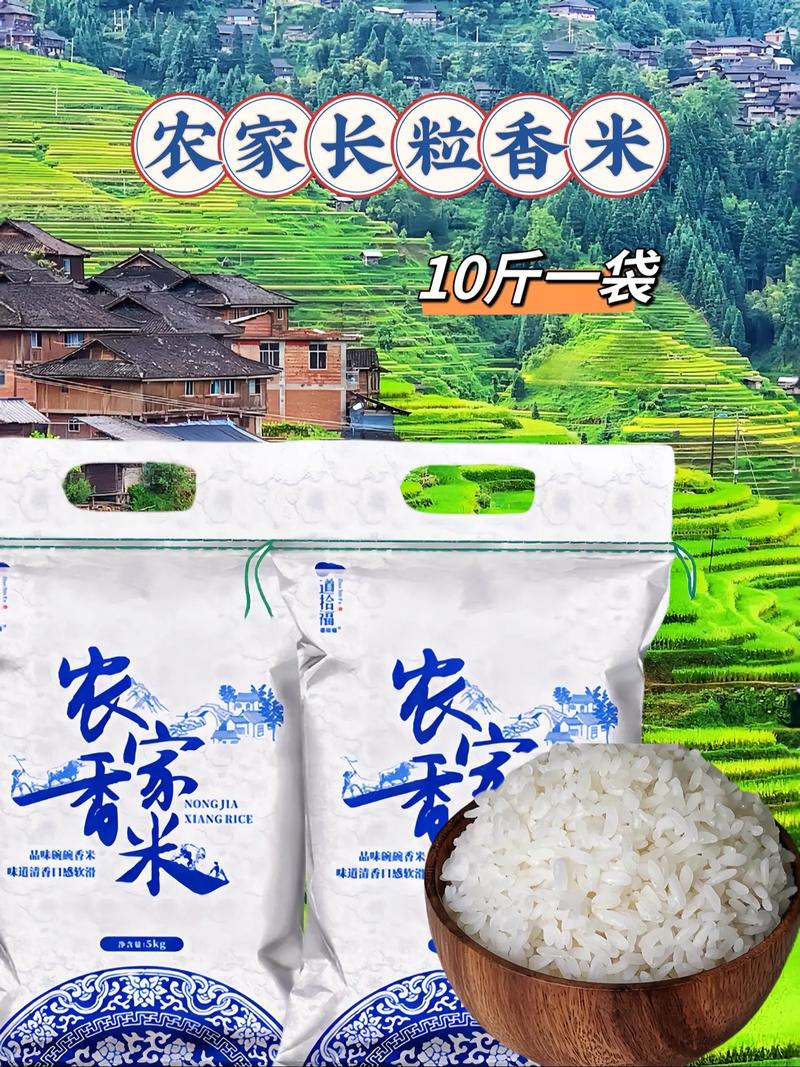
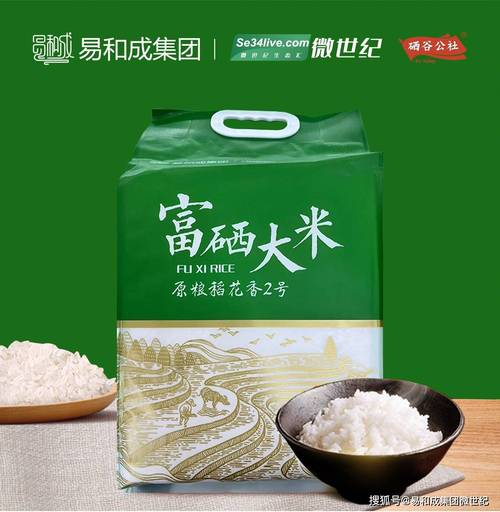
After understanding the situation, shenzhen capital operating group has helped to introduce leading agricultural enterprises and modern biotech companies, to select quality grains that meet local environmental conditions, to introduce modern biological organically rich selenium technology, to effectively combine rice cultivation advantages and market demand in the village, to build a “rich rice farm” in the village of shenzhen and to cultivate eco-rice rice。
In order to effectively benefit local villagers, especially poor households, the village task force has established a well-established cooperation mechanism, namely the “help unit + lead enterprise + cooperative (base) + farmer (poor household)” model, which ensures that all participants in the project can benefit from the “recognization + adoption + buy-in” mechanism, thus achieving co-benefits. Among other things, the support units have organized the establishment of professional agricultural cooperatives by poor households, which are responsible for providing cost inputs for cereals and fattening of selen leaves. The local lead firm, longcheon county rice splendor agricultural resources ltd., is responsible for providing seeding, technical guidance for planting and buying rice from farmers at higher than market prices. The technical support unit, quake biotechnology limited, shenzhen city, is responsible for the provision of selenium-rich flour and technical guidance, with poor households and other farmers engaged in rice cultivation。
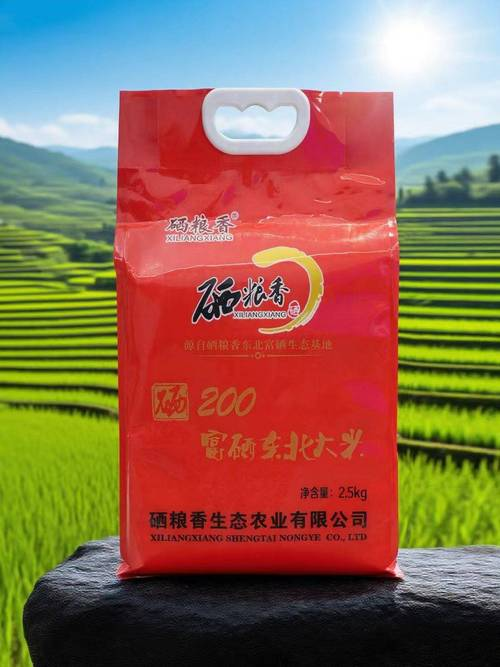
With regard to the expansion of marketing channels, the village task force has created a “culture” model for rice fields, launched support units and various sectors of society to raise rice fields, pre-sale rice and order rice. “in each adoption sale order, more than 25 per cent of the proceeds are used to increase the income of poor households and the village's collective economy.” according to wang lin, the village task force has also launched a marketing platform on the “village for village markets” line, in collaboration with cooperative enterprises, the village council and cooperatives, to participate in various consumer anti-poverty fairs and to actively promote rice-rich rice。
In 2017, the village began to experiment with the cultivation of pelican rice; in 2019, about 700 acres of pelican rice were grown on a scale, producing about 400,000 pounds of pelican rice. To date, the shenzhen capital operating group and its sub-units have helped purchase 154 million pounds of rice, with a combined sales revenue of 1,277,000 yuan, directly assisting 108 people in working poor households in 25 households with a total bonus of 258,000 yuan, and directly increasing the sum of 96. 75 million yuan in the assisting villages. In 2019, the disposable income of families living in poverty in the village was approximately rmb 13,000, which is 2. 25 times higher than in 2015, and all poor households were lifted out of poverty; the disposable income of the village as a whole was rmb 19. 9 million, or 1. 49 times more than in 2015; the collective economic income of the village was rmb 300,000, and poor villages were successfully cap-picked。
“our villages have changed so much over the years, the water is clear, the roads are wide open, and the villagers' pockets are drummed up.” according to huang seung-ju, member of the village council and secretary of the party in the village, four years ago, there were no hard roads, no street lights, litter in rivers and roads, and the village's collective income was only 10,000 a year. Upon arrival in the village, the helpers set up a system-based and accurate support mechanism, which, on the one hand, strongly supports party service centres, cultural squares, drinking water projects, health posts, garbage dumps and road hardening, and the rehabilitation of village primary schools, significantly boosts the village's face, while, on the other hand, they actively develop pro-poor industries such as rice-rich rice, directs and helps the population to become rich and grow their collective economy. A 2. 5-metre-wide hardened road now runs directly to every doorway, with squares in the village, street lights, fitness equipment, playgrounds for primary schools, school desks and canteens. Jang yang teng, economic journalist