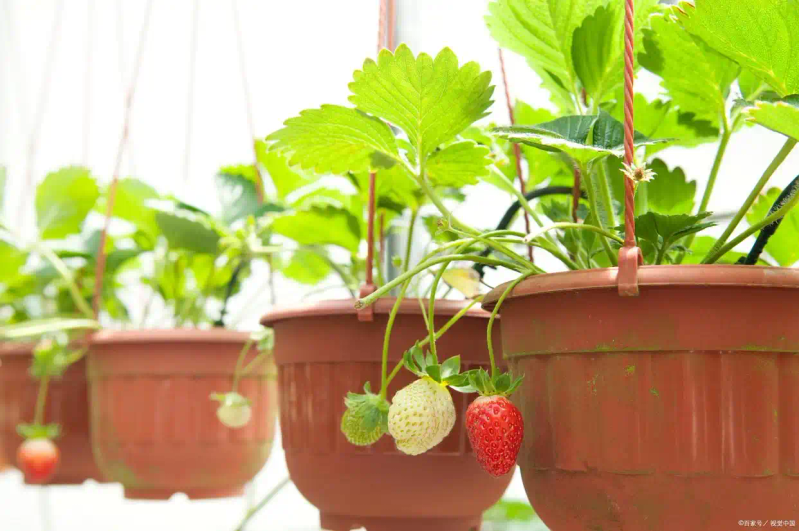
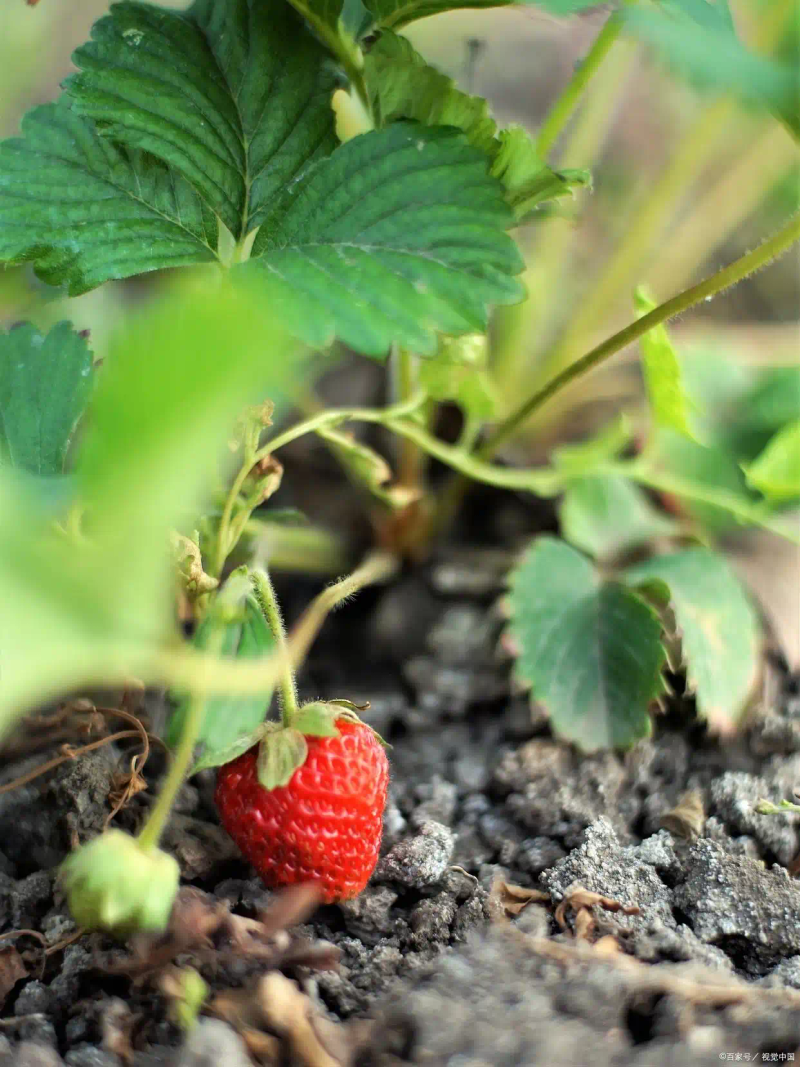
Strawberries are popular with their colours, sweet tastes and rich nutritional values. In turn, growing strawberry pellets at home not only meets the need for daily fresh strawberries, but also adds to the pleasure of life and the pleasure and satisfaction of a green life. This paper provides details on how you can successfully grow strawberries in your home, from the selection of seedlings to day-to-day management。
I. Selection of suitable strawberry varieties and seedlings
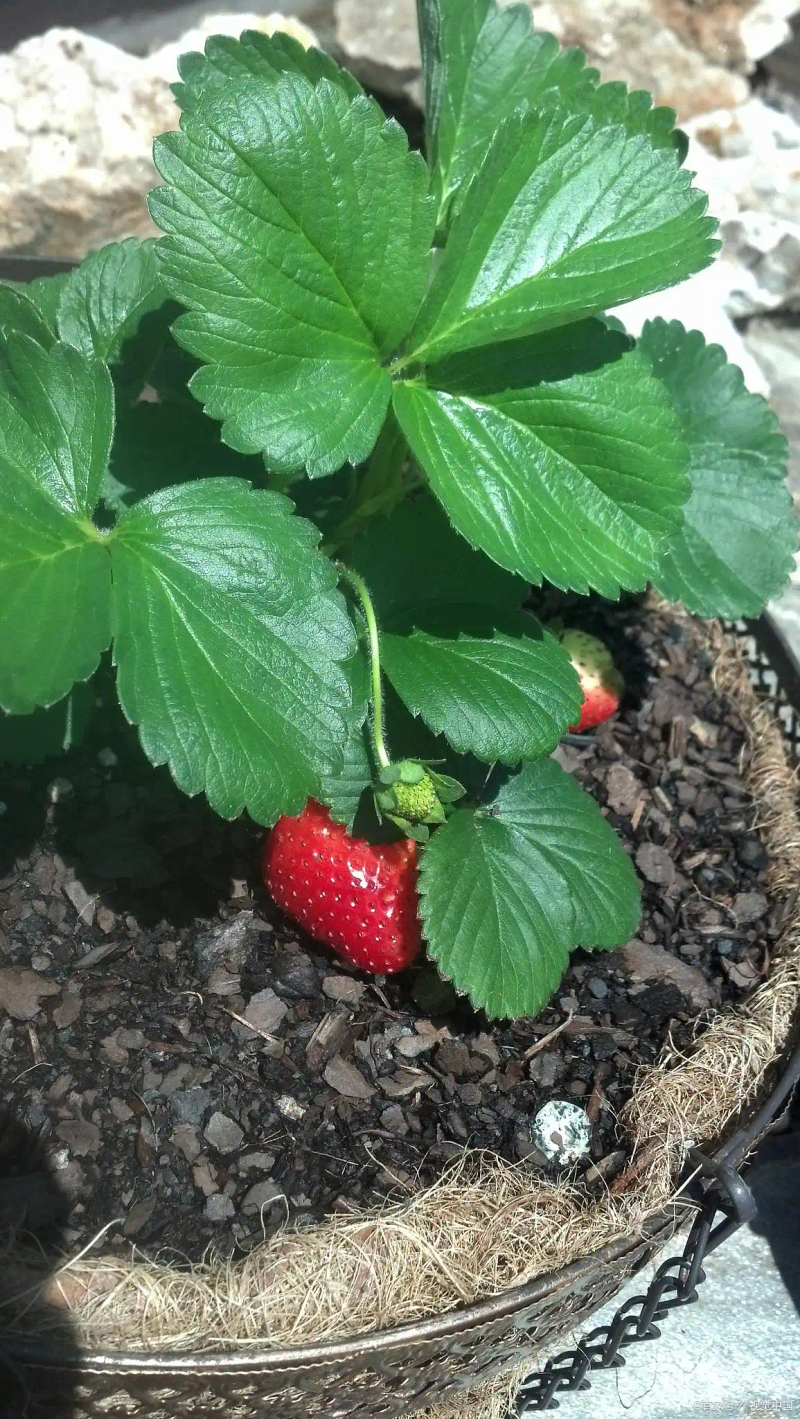
1. Varieties selection: first, suitable strawberry varieties should be selected according to home-based climatic conditions and planting space. The most common are the fragrances, red paints, zang ji, among others, which are suitable for beginners, flourishing and resistant to disease; the sweetness of the red face and high yield; and zang ji, who is known for her unique smell of milk。
2. Purchase of seedlings: when buying seedlings, seedlings with developed, disease-free and three to five healthy leaves should be selected. It would be preferable to choose spring or autumn for purchase and planting, two seasons conducive to the rapid recovery and growth of strawberry seedlings。
Ii. Preparation of containers and media
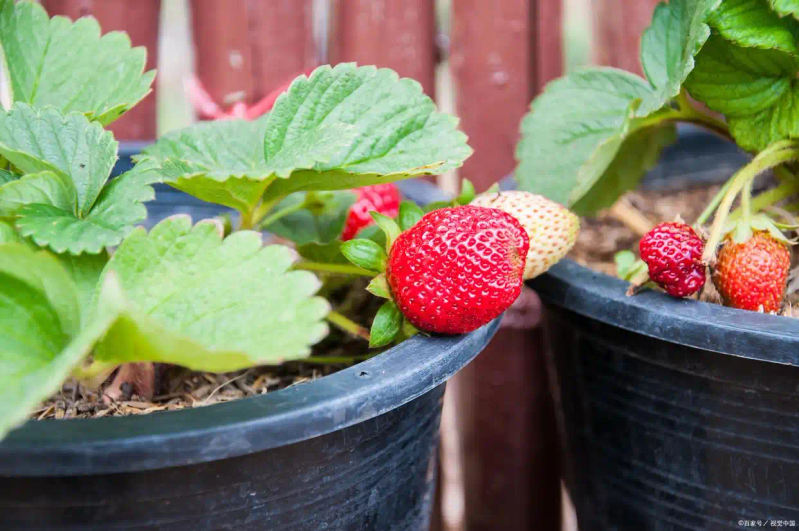
Packaging selection: strawberry prefers a defusing soil environment and therefore selects ceramics, plastics or wood basins with a depth greater than 15 cm, approximately 30 cm in diameter, with sufficient drainage holes at the bottom to prevent the accumulation of water from causing the root to rot。
2. Medium formulation: strawberry-basin breeding soil is well developed in soil rich in organic matter, insulated and fertile, and well drained. Plantation, foliage, pearl rock and neptite may be mixed in proportion, together with organic fertilizers such as scavenging chicken dung and cow dung。
Cultivation and planting techniques
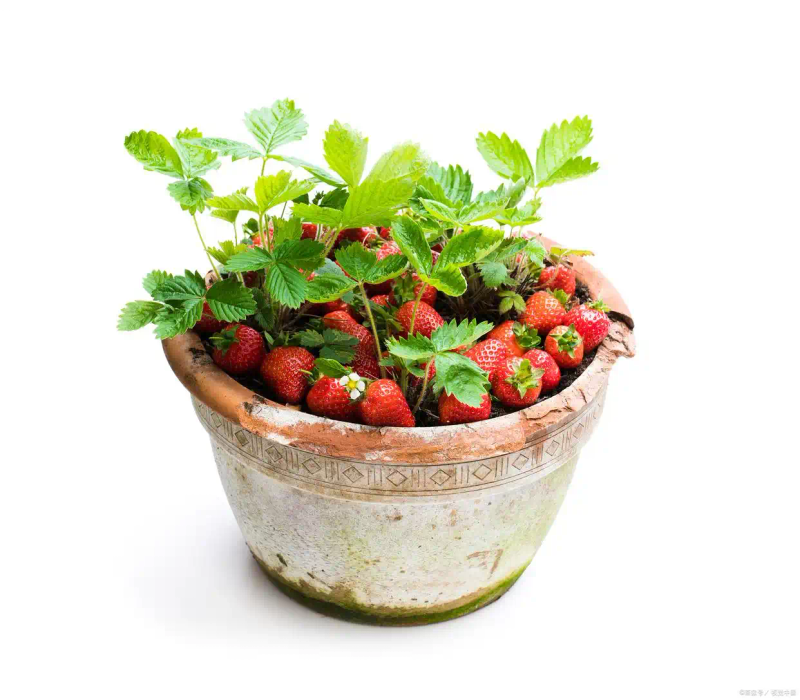
1. Cultivation steps: first, a layer of pottery or other particulate matter is laid at the bottom of the basin to enhance drainage, then it is poured into a pre-packaged field to 2/3 deep in the basin, digs a small pit, places strawberry seedlings into the basin, then light pressures the soil and keeps the roots close to the soil。
2. Cultivation density: three to five strawberry seedlings can generally be grown in each basin at a distance of 20 to 30 cm to ensure that each plant has sufficient growth space to avoid overcrowding affecting light and ventilation。
Iv. Daily conservation and management
1. Light and temperature: strawberry radiance requires sufficient sunlight to be placed as much as possible on balconyes, windowsills, etc. The most suitable temperature for growth is 15-25°c, with a need to keep warm during the winter, with appropriate shades to cool during the summer heat。
Humidity and fertilization: keep the soil wet but unwatered, the watering principle being “dry wet”. Long-lived weekly application of thin liquid fertilizers increases the proportion of potassium phosphate fertilizer during flowering and promotes chromatization and fruit development。
3. Cutting and pest control: timely removal of dead yellow leaves and ill and weak branches to ensure ventilation and reduce the incidence of diseases. Pests and pests should be detected in a timely manner and pesticides should be sprayed, and sterilised on a regular basis。
Battery and reproduction: strawberries need to be replaced with new soil and properly cut to maintain their robust vitality after the annual results. In addition, strawberries can breed new strains through runners, making rational use of natural growth in the number of plant plants。
Through the above details, you are confident that you have the basic skills to grow strawberry pellets at home. If you take care of yourself, your home will be a small strawberry park where you can enjoy the delicious fruit that you have grown with your own hands at all times and feel the beauty and pleasure of a green life. May your strawberry plant thrive and bear fruit and bring you full sweetness and happiness