If corn is to be high and planting techniques are critical, if the technology is not right, if there is more input into the corn field and the production will not be high, the following is a few questions that need attention to share with you the high maize production:
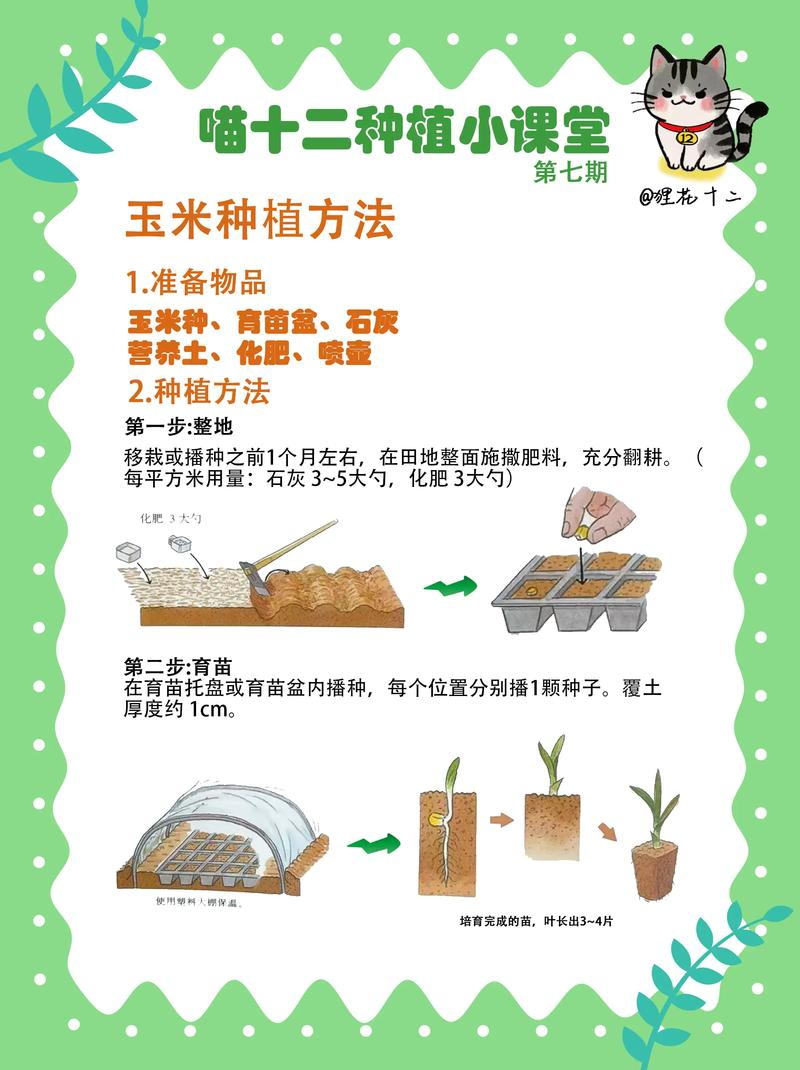
Seeds and machines when seeded with precision
1. Seeds are not less than 98 per cent pure, cannot germinate less than 95 per cent, and most common seeds do not meet this requirement。
2. The intensity of scientific cultivation is so high that it is inverted, empty and susceptible to disease that even larger ears can limit production because of the insufficient number of ears per acre。
3. Good seed protection measures: (i) land parcels that are not irrigated and that can be watered at any time cannot be soaked at more than 5 cm, and (iii) at 3 cm, sowing deep and pouring water can cause seed to rot, (ii) seeds and fertilizers to burn and be burned more severely when used。
4. The size of the sowing machine and the seed shall be commensurate with the size of the seed, otherwise the seed will be cut or crushed。
The late harvest should not affect wheat seeding
1. Misperception of harvest time: white skin is ripe and can be harvested; cut down for a few days will have the same effect as late harvests; three people will collect it and lose it。
2. Corn white skins are just completing the platinum stage, which takes about 10 days. The characteristics are the formation of black embryos at the base of seed grains, the completion of the conversion of maize starch, the abundance of seed grains, the weight of thousands of grains, and production。
3. Comparative tests show that 10 days late can increase production by more than 10 per cent, but that late harvest does not affect the planting of wheat in the high-yield season。
Rational use of herbicides
Weeding after seedlings
Corn herbicides are divided into pre- and post-plant herbicides, and are gradually replaced by pre- and post-plant herbicides as a result of problems with pre-plant herbicides, which are prone to inappropriate use and result in reduced maize production. However, it is particularly important to highlight that some of the herbicides after the seedlings can be sprayed throughout the field during the preceding period, and that the following issues require attention when used:
1. Over five visible leaves cannot be sprayed and the organophosphorus pesticide should not be used for seven days before or after the application, otherwise the spray should be directed (on the ground only) or otherwise it is susceptible to a drug hazard
2. The spray concentration shall be appropriate
3. Exposure to high temperatures and wind, repeated sprays, late spraying periods and drug spraying to maize heart, etc.
4. Corn is grown up to six to nine leaves during a time when maize is sensitive to herbicides, when spray can easily cause a drug hazard and after nine leaves can be considered for low-dose directed spray against grass
5. 2,4-dbutyl and dimethyl tetrachlorodichlor are highly vulnerable to herbicides after seeding。
B. Weeding in the intermediate and later stages
In the mid- and late-term crop vegetation, weeding can be addressed with anti-grass-like methadone fluids and protective sprays. Green plants are burned to death if they are caught with herbicides and therefore need to be covered with mineral water bottles or plastic bowls in front of sprayers to prevent the pharmacies from splattering。
Attention is drawn to the fact that it is not possible to use herb glyphos-methyl, which is an internal herbicide, and which causes disease in the whole body of the crop after absorption, so be careful to use it in the middle and later stages of the corn, which could easily lead to the death of the corn and a reduction in production。
Reasonable use of chemical control agents
Chemical control, when is the right time:
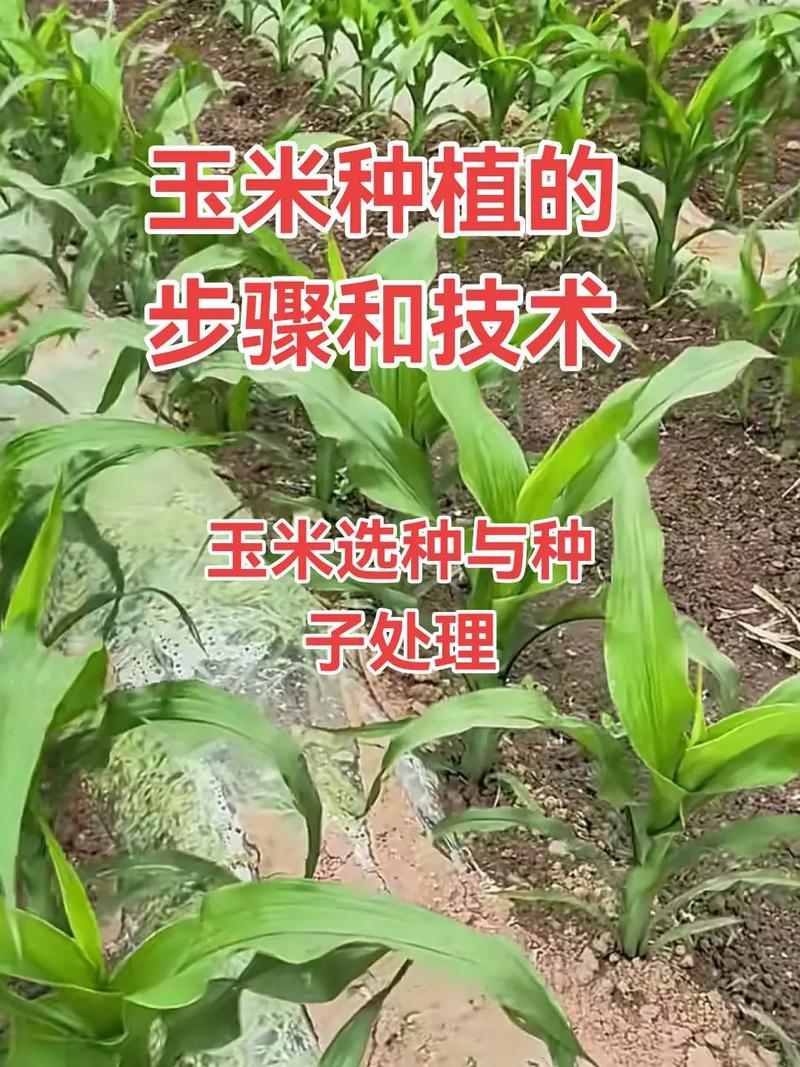
1. The general application of cornification controls in the 6-8 leaf period (half to one metre high) to enhance the invertability of maize
2. Be free from excessive water fattening or excessive seed density during the epoching period, or it is easy to push up the seedlings, while paying attention to the timely prevention of pests。
3. Don ' t spray late, one metre taller, and the counter-volatile capacity of maize deteriorates. And beware of the timing of the spraying, which is 9 a. M. And 4 p. M. Of the chosen sun, which is mild and difficult to form。
It is possible that the chemical control drug will pass and not be sprayed again, otherwise the product will be reduced because of its harmful effects。