Shu city district, which belongs to the city of anhui an, and is known as shuzhou, is located in the centre of anhui province, in the eastern province of the grand bei shan, on the edge of the lake of the nest, between jiang yi, where the three cities meet. Between 116° 26' - 117° 15' east, 31° 01' - 31° 34' north, 86 km east and west, 49. 5 km north and south, with a total area of 2,100 km2. Shu city is one of the birthplaces of the chinese dragon culture and one of the country's 13 families, liang。
The bay agricultural monument plant is located in shu city county, across bay village, where the south and hangport rivers meet the two main water systems, which belong to the eastern province of the grand beisan, near lake wover, the country's 5a-class hydroelectric landscape, and serve as a standardized national production base for green food raw materials (paddy). The three-sided base is surrounded by rivers and the internal course is curved, naturally creating a unique feature of the landscape of the bay and creating a good-water ecological resort。
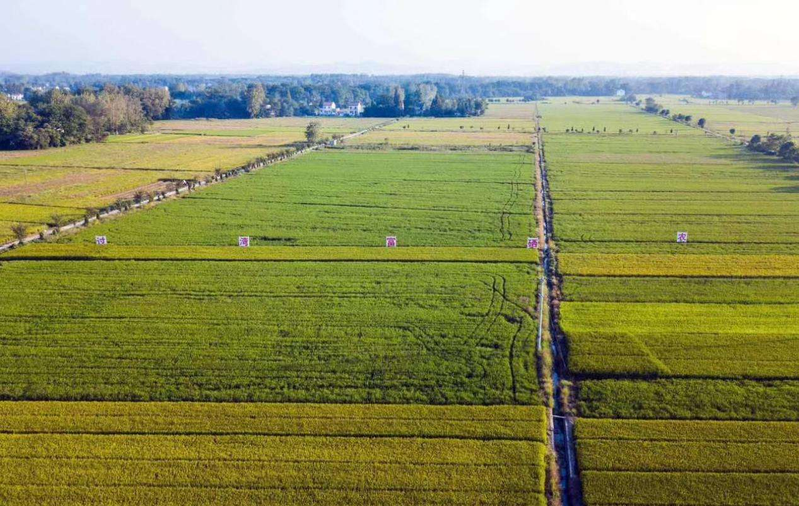
Crossing bay agricultural monument plant
The pelicans in the gulf are based on technology and on eco-planting, which is based on complex eco-cycling techniques。
Through advanced nanotechnology at the chinese university of science and technology, the production of perfunctory molybdenum is based on bioengineering principles. When the land is ploughed, purple clouds are planted on the back of the soil's gissil nutrients, which are so powerful that they can transform the exterior selenium into biosilver. The purple cloud absorbs selenium elements in the soil, at which point the selenium elements become the trace elements contained in the cloud itself, decomposed it into organic selenium fattening and planted the rice in the soil after its decay, metabolized the selenium through the rice itself, converted it to organic selenium proteins after a second conversion, the selenium content up to national standards, safer filling and more conducive to human absorption。
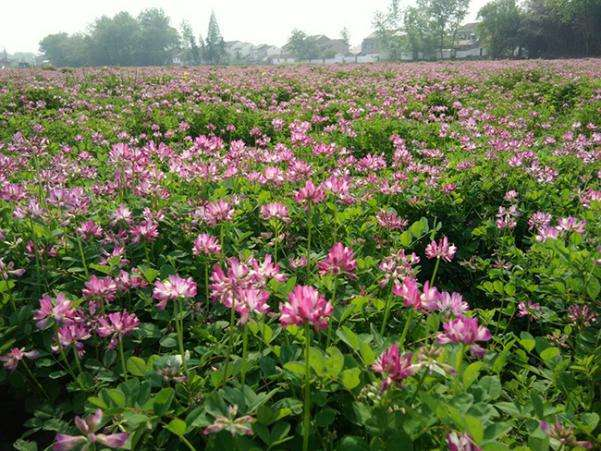
"fluctery clouds."
In addition to the technology-rich selenium, the pelican-rich rice in the gulf is also being grown with rice duck. Ducks feed on natural water herbs and aquatic organisms, free from herbicide use and directly replace manual weeding and deworming. At the same time, ducks move in the paddy fields not only to enhance the air flow of the root of the rice, and to promote its breathing, but also to cause dredges, boosting the flow of water, defusing the soil and stimulating rice growth. Duck dung falls into paddy fields, which are also natural organic fertilizers, supplementing rice with natural nutrients. This method of sharing rice ducks is thus not only conducive to environmental protection, but also to an appropriate increase in rice production, to the growth of ducks and to a beneficial ecological cycle。
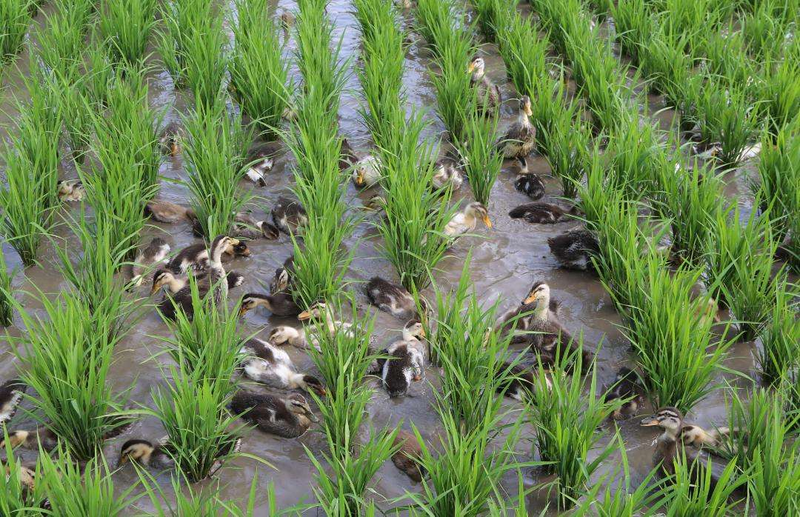
Ducks
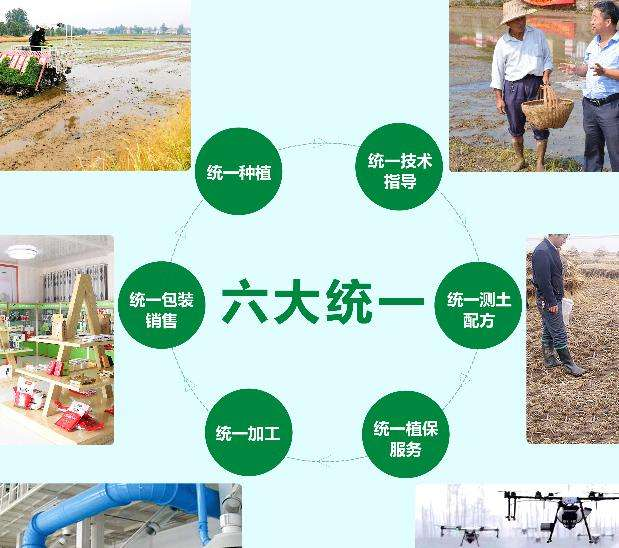
In addition to this, six “uniform” principles are applied in the cultivation of the bay's rich selenium: integration of seeding, breeding and embroidery; unified technical guidance for planting; harmonization of soil formulations, soil organic improvement and the ration of selenium fertilizer; harmonization of plant protection services to achieve overall control; harmonization of mechanical harvesting processes; and harmonization of gulf brand packaging sales。
The integration of resources according to the industrial production model of agriculture, the pooling of high-quality and efficient agricultural resources, the full mechanization of the product, and the traceability of products, provide consumers with high-quality, safe and environmentally sound, green and healthy rice。
In order to respond to market demand, perfunctory molybdenum is packaged in different forms to meet demands such as self-eating, gifts, enterprise welfare, and benevolence. The high-quality, soft-sniffing, luminous rice in the gulf is the best option for people to pursue quality life and nutritional health。