On january 7th, the red net news (rongzhou news), during the cold winter season, became colder, with the family busy packing a special diet kit for sheep’s belly in rieda village, ie zhang county, and saving “energy” for sheep’s belly entering critical stages of growth to ensure its smooth growth with sufficient nutrients to lay the foundation for a productive harvest。
The workers were sitting together at the escuela morbid plantation base in the village of toshiyama in the town of rieda, carrying out an orderly preparation, mixing, bagging, packing and a busy scene。
Lee li fai, head of the euician bacillus cultivation base, said: “the food pack of the sheep’s belly is mainly wheat, maize and cotton seed shells. It's time to plant the sheep's belly, and it's a crucial stage in the growth of mycelium, and we're putting these nutrient packs down in order to replenish the sheep's belly with sufficient nutrients to make it productive and stable.”
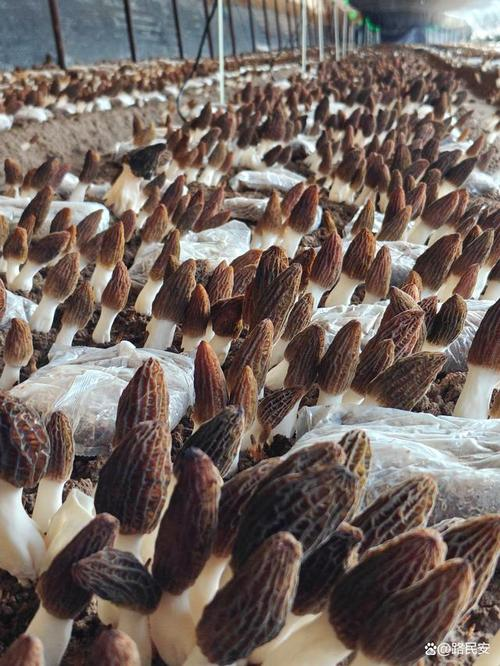
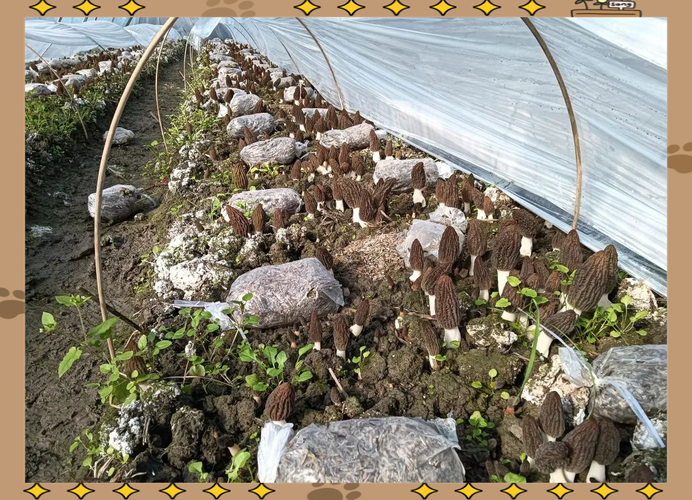
In the growing sheds, the pre-planted sheep’s abdominal fungus has sprung out of thin white silk, staggered like a spider web, and flourished. At this critical stage in the expansion of the fungus of the sheep, farmers are fast-tracking the scientificly allocated “nutrient kit” to protect the growth of the fungus。
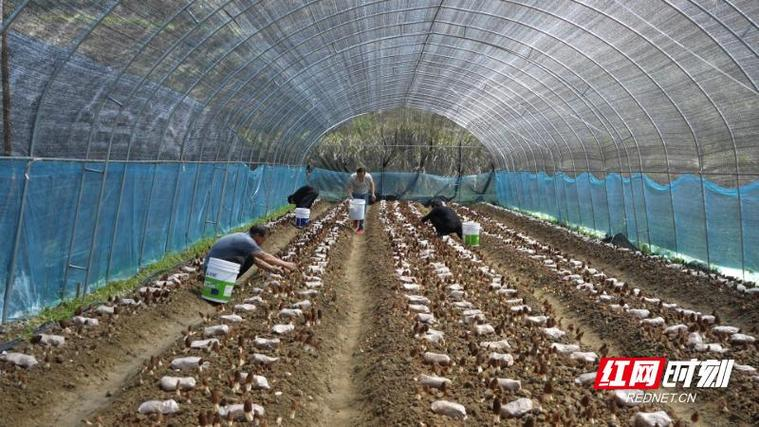
With an average altitude of 700 metres above sea level in toshiyama village, where day and night temperatures are high and wet and natural conditions are uniquely placed to become the “gold zone” where sheep’s belly is grown, and thanks to the advantage of this village, which is now growing more than 20 acres of sheep’s belly, with an acreage of approximately 1,200 pounds, the development of the industry has not only effectively enabled idle land, but has also set up employment platforms for villagers, which have boosted the employment of more than 60 villagers around them。
The villagers said, "i'm fine working here, earning $23,000 a month and taking care of my family."
The specialty industry is the “engine” of rural renewal. Next, the base will continuously optimize planting techniques, introduce high-quality bacterial species, expand the scale of cultivation, extend the industrial chain, increase industry's value added, and make the sheep's belly industry a niche for sustainable growth and rural renewal。