Malan plantation technology
Maran alias maran head, red infarction, chicken intestines, roadside daisies, and chrysanthemania. All potable. According to this draft
It documents “maran, sexual, flat, non-venom, swaggered and warm”. It's got thermal detoxification, disinfection, etc。
It applies to a wide range of diseases such as external fever, throatitis, tonsilitis, mid-earitis and acute hepatitis. Young above the ground, leaves
It can be eaten as a nutritionally healthy vegetable, fried, mixed or made of soup, fragrance and nutrients. Every 100 g fresh
The consumption component contains 5. 4 g protein, 6. 7 g carbohydrates, 0. 6 g fat, 4-5 times the cabbage; calcium 258 mg, phosphorus
106 mg, exceeding spinach; vc36 mg, exceeding citrus fruit; and 0. 5 mg iron. Carrot is close to carrots
Vb5, vb2, etc. Maland is a country of southern and eastern asia, and food is more common in anhui, jiangsu province. Shantung must have some
Quantified cultivation。
1 botanical characteristics
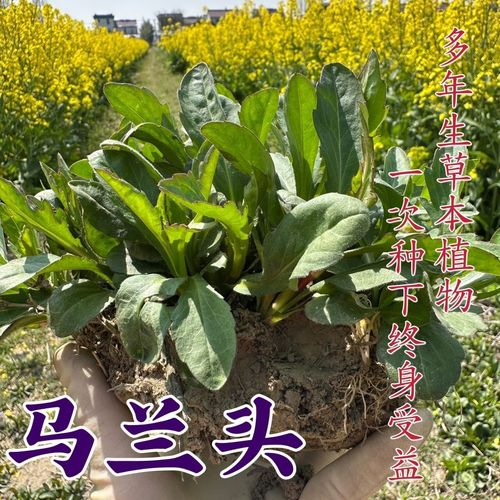
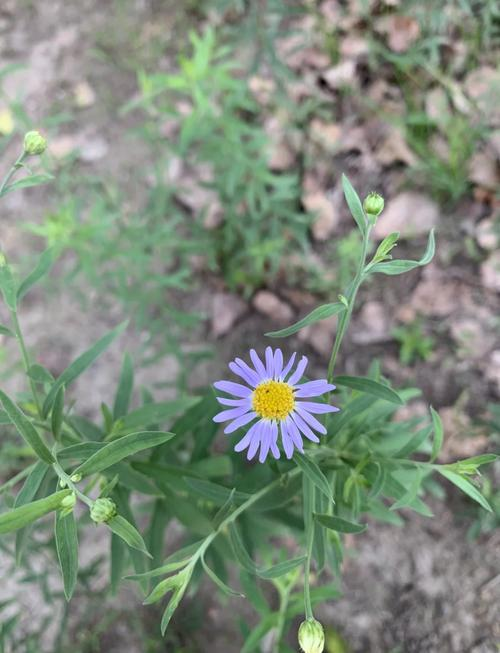
Maran is a home-grown herbs plant that has been growing for many years. 30 to 70 cm tall, straight, purple red or blue
Green, 0. 4 cm diameter, branch. Wild maran has a red insect and a red infestation. A cape
Spectacular, dark green, leaves 3-10 cm long, 1-5 cm wide, sawn or shallow on the edges, and purple or dark green on the blades. Ip
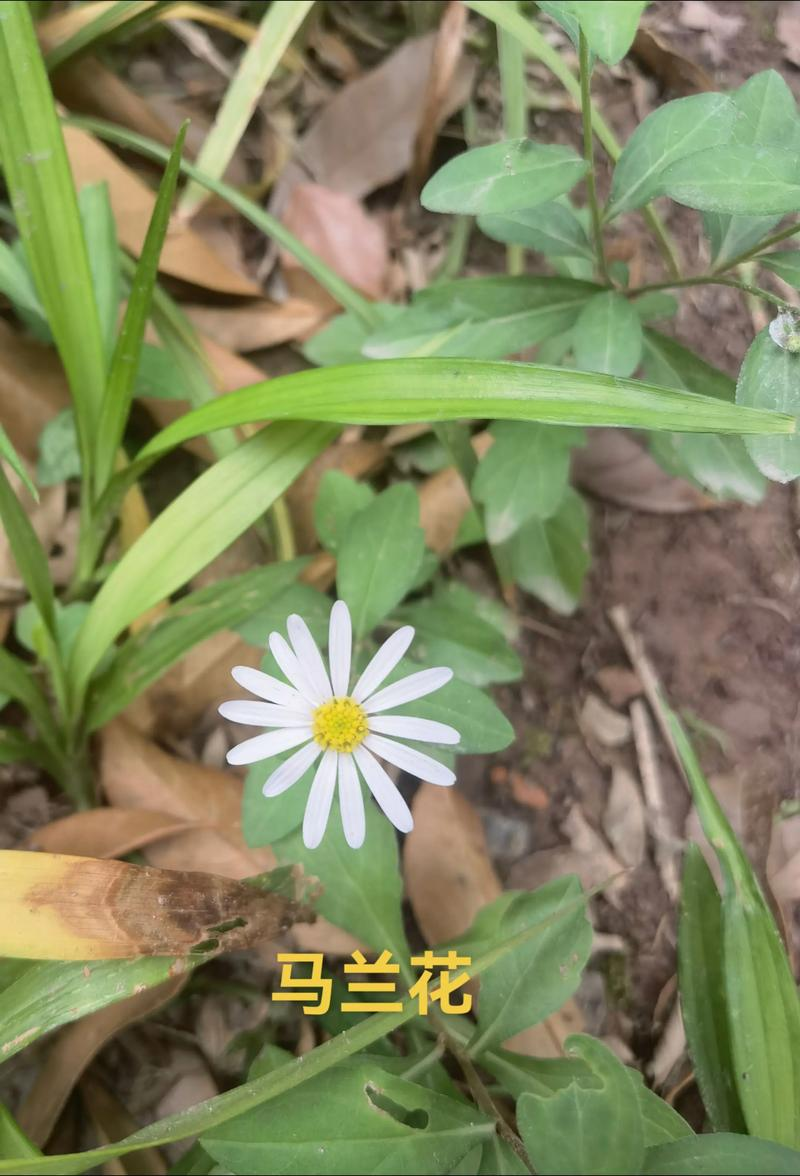
Glossy or short hair, small upper leaves, full edge. Head line, about 2. 5 cm in diameter, single-born in a branch and lined up in an umbrella room
It's two to three layers. It's yellow. It's thin. The most common wild breeds are sharp leaves, slabs, broken leaves
Points. Specular foliages are narrow, early spring, fast growth, early market, but output is normal; slab varieties are elliptical
Large and thick, with a slightly later onset than the sharp leaf varieties, but with a high yield and good quality; small, low yield, late growth
Poor quality。
2 biological properties
Maran is adaptable and resilient. Cold, wet, cold and warmer. Seeds sprout at suitable temperature
20°c, with a tuber, leaves 10-15°c starting to grow with a temperature of 15-22°c. 32°c high temperature can still grow normal, -10°c
The root of the ground can survive the winter. Soil conditions are not demanding, but they are most suitable for growth in fertile, humid and lax soils。
At low temperatures, growth is slow; at high temperatures, there are many fibres and poor quality。
3 elements of artificial plantation technology
3. 1 eternal cultivation
3. 1. 1 fertilizers in whole are selected for organic fields, tilling (frozen) tans, re-surfacing farmers ' fats, and grounding them
1/2 m wide, 15-20 cm deep. In combination, 45,000 kg of manure per hectare of decomposed farmers and 750 tons of ammonium phosphate
1,500 kg of base fat。
3. 1. 2 reproduction may be conducted live by seed or with root roots. When breeding with seeds, planting after spring, per hectare
7500-10250g. The seeds are mixed with three to four times the dry earth before they are soaked, so that they are broadcast at a distance of 25 cm
It'll be solid, watered, membranes covered. Seeds are sprung out of the earth and removed from the membrane, so that they remain humid. In the second half of the year
It's good。
When they breed with root, they dig up the marangan before winter, cut into five to eight centimeters long and lay the ground in 10 centimeters
Deep bottoms, 20 cm and 10 cm, cover the ground, with winter food available in the rows。
This can be done in spring and autumn. After harvest in april-may, the plant will be dug out and the ground will be cut
The root, which cuts the sprouts of the already root with one of the roots, plants them on the full surface with a distance of 25 cm
Powder, powder, water, 5-7 days. Autumn, august-september, planting, digging underground roots, 10-15 cm above the ground
Cut the old branches, the roots, and put them on the face. When you're alive, you catch fat in time for the tree。
3. 1. 3 field management
1 fertilized per hectare after planting a live tree, or seedlings of 2 to 3 real leaves, or after harvest and before shacks
Rare dung 11250-15000 kg. Dung water should be poured in between lines to reduce pollution of the products ' organs. During maran's growth
Frequent wetting of the surface, especially after the fall, is often watered to promote root growth and early spring. Watch out for the rainy season
Timely discharge of flooding and precipitation。
2 before weeds are closed, weeds are often removed from the fields and weeds are used in pursuit of fertilizing water to promote plant growth
Grow。
This covered the period from late october to early november. Cut off the old stakes above the ground, clean the fields, plough, fertilize, button
The shed covers。
There are very few pests and pests in the wild or field-planted maran, which are generally not administered. And cover the planting
Attention should be paid to the prevention of pollinosis, which can be administered with microbicides such as methyl tobuzin。
3. 2 tunnel farming
3. 2. 1 a full summer and autumn fertilisation of the soil by 30 cm and balconies per hectare after sunbath fat
45000 kg or ammonium phosphate complex fertilisers 750-1500 kg are used as base fertilizers, and the soil is dredged, flat and made of thallium of 1. 2 to 1. 5 m width。
3. 2. 2 excavation of mother roots and plantings generally took place in the field or persons between late august and early september