Cultivation methods in the xinjiang sheds: cultivation techniques in the kibbutz
Hammelon is suitable for cultivation in areas such as xinjiang, so do you know how it is grown in xinjiang? Here is the method of cultivation in xinjiang, which you have prepared for this collection。
Cultivation methods in the xinjiang manga
I. Selection of varieties
The choice should be made of the type of melon that is sensitive to the climate of the south. The main species promoted in the region are red snow, cactus, 98-18 (green and yellow) etc。
Ii. Selection of fields
In the case of melons, which are planted and associated with land, the choice should be made for rice sprouts that have not been sown in three years, have a high surface and are well drained. Organically rich, permeable sandy soil is the preferred option for the cultivation of the melon。
Iii. Complete, complete
A month prior to planting, tillage was made at a depth of 25,30 cm, accompanied by the opening of an auxiliary gutter system (the great ming ditch, the operating ditch and the outer gutter of the shed) and a one-time application of base fattening to the whole-cropping layer, with a normal acre of approximately 1,000 kg of commercial organic fattening, 30 kg (nlk = 151515) and 50 kg of perphosphate calcium。
It must be high and high, with a tectonic back, with a bow of 25,30 cm; it must be fully covered with a membranes (transparent membranes in the spring) in the interest of protecting the tampons from wet grass。
Iv. Implantation
Seed treatment, with dry treatment, with dry seed roasting in a hot dry tank at 60,69°c for about three days, with good sterilization. In the absence of this condition, seeds can be tanned in strong daylight for two days。
The planting period is generally in mid-january. In the spring, the emphasis is on temperature protection, multi-film cover of the nursery bed and electrical heating lines on the ground. The temperature of the nursery bed is 2nd and 2nd and, before it is produced, the temperature of the nursery bed is controlled at 28,30°c, and before the first leaf spread, the seedlings are the most vulnerable and the temperature is reduced, and the temperature of the bed should remain between 23,25°c and 18,20°c at night. With the growth of seedlings and the rise in external temperatures, the vents can be increased appropriately and the ventilation time extended accordingly. A week before planting, low-temperature seedlings were introduced to gradually adapt to external conditions. Inoculation during the shrunk season can be carried out one or two times using amishda spray. In the spring, the seedling age was around 30 days and the three-leaf pericardial period was lost。
3. Plantation, which should be built during the first half of the spring months, covers the membranes and membranes to increase the temperature of the ground. Plantation should be filled with live water in a timely manner and with appropriate use of anti-disease drugs such as dikeson
1 dose。
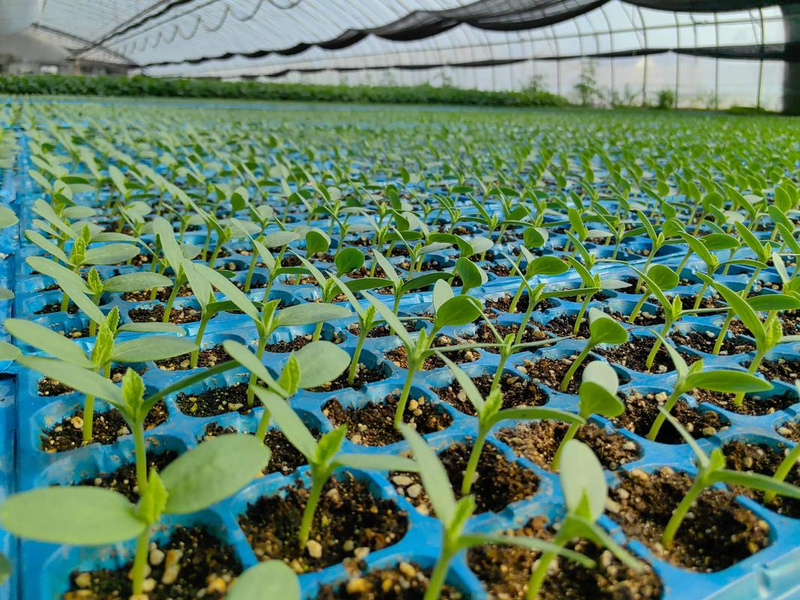
4. Density, with coarse hairs in the melon, can be reasonably rare. The ground-crawling plant is about 45 centimetres wide, with two craniums each; the stand-up plant is about 40 centimetres wide, with 4,5 cm each。
V. Field management
1 temperature management。
Special attention should be paid to wetting and disease prevention during multi-film coverage in the spring. To create as high an environment as possible, the sun is able to detach and detorize in warm conditions, and the roof is kept at 28,30°c during the day and at no less than 10°c during the night; when the guacamole grows to the seating table, appropriate cooling promotes the seating fruit, and the fruit swells during periods of increased temperature and quality。
2. Fertilizer water management。
Depending on the growth of the plant, a plant eutrophicate can be sprayed after the live one, and when the plant is longer and weaker, a compound fertilizer can be used to impregnate and increase the length of the chicken. When the plant grows to about 1 metre, 0. 1 per cent of it is sprayed once on the oscillation, promoting sit-down fruit. During the guacamole bulge period, one or two fat pursuits can be applied 30 cm from the root, 10,15 kg of compound fat in acre, and folates of potassium phosphate can be used. During the first half of the month of maturity of the harvest, fat water must be stopped to prevent the fissure。
3. Whole branch, pollinating, leaching, berries。
(1) the whole of the plant, which is growing in size and size, must be kept in order to reduce the injury and the occurrence of the disease。
(2) pollination, with artificially assisted pollination, usually at 7,9 a. M., selects the male that is open to the same species on the same day, cleaves the petals and rubs the male on the head of the female。
(3) caucasian fruit and berries, the guacamole variety is usually in 12,14 bouquets (the cactus can be duly early, with 9 beginning with the guacamole), with one cranium per chicken. When the fruit grows to the age of the egg, one of the good, strong guacamole is selected based on a combination of the strength and development of the fruit, and the rest is removed, usually at 28,30 knots。
Vi. Treatment of petitives and weapons
Insisting on prevention as a priority, on the principles of integrated treatment, on the strengthening of agricultural control, on the integration of chemical control, on the observation, on the timely use of medicines and on the cleaning of weeds. Controlling the humidity in the sheds and maintaining dry plants are the most effective measures to prevent disease。
1. The main diseases of the bastion are carcasses, dust, frost and viruses。
(1) decant, 50% full-scale application of 50% methyl tobutzim 500, 1000 times more liquid or methyl-tort
2 bushinga kills thallium, agro-chainicillin is made of paste medicine. During the whole branch, the above-mentioned paste medicine shall be used in a timely manner to erase the wound in the event of a rainy weather or if the wound is too heavy to dry。
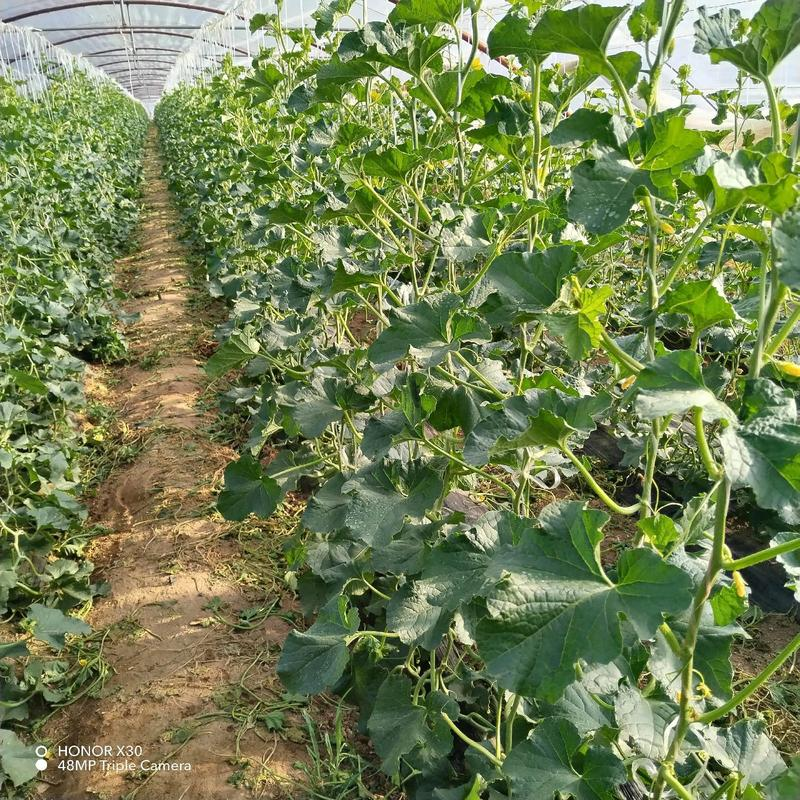
(ii) powder disease, which is cultivated to prevent prototyping, to enhance ventilation, and to prevent and use alternately such agents as high-end and methyl tobuzin at an early stage of the disease; the use of pesticides such as xhensheng, fusung or sulfur suspension in case of disease is effective。
(3) aphids, aphids, white lice, etc. Are the carriers of the virus, so it is important to prevent insects from being the primary carriers. If a strain of viral disease is found, it should not immediately be exposed to it, but should wait until all the agricultural work has been completed and preparations have been made to leave the shed before removing the strain. Precautions such as fungox (8 per cent ningenicillin) and detoxification are available。
2. The main pests of the guacamole are white lice, aphids, guacamole, night moths, red spiders, leaf flies, hyenas, etc. Targeted insecticides such as aktai, lice, aphids, insecticides, impostors etc. Or yellow sticky baits are used。
Vii. Receiving in time
The following are some of the methods used to determine the maturity of the melon:,
1. Calculate the growth period of the fruit, depending on the characteristics of the species. The average number of pre-literate varieties is about 35 days and the median range about 50 days。
2 the scent. A variety of fragrances begins to produce when the fruit matures, and the more fragrances mature, the stronger。
3. The fruit appearance. And when it matures, the fruit displays its own colours and colours。
4. Plantation characteristics. Vegetable rolls are dried up, leaf leaves are green and leaves turn yellow。
The harvest shall take place in the morning, when the surface of the melon is free of dew; at the harvest, the handle shall be cut into a (t) font and gently set aside to minimize mechanical damage。
Cultivation methods in xinjiang hammelon
Seeding
At the end of july and in early august, in the fall, the hammelon breeder selected high-yield, high-quality varieties suitable for cultivation in areas such as shanghai. The melon seeds are dry 24 hours below 40°c in the greenhouse, and the temperature constant is set at 70°c high for dry thermal fungi for 72 hours。
Plumbing is used in dens or incubation, which is internalized with sterile seedlings and nutrients, and can be used as an alternative. Tritium, neptunium, pearl rock, 2 (1) 1 (2) grass-grass and mixed into disinfected organic fertilizer. It's good to sow it in the evening
Three seedlings of nutrient-rich soil need 5,000 times more of the entropy solution. When seeding, a pores of 1. 5 centimetres, 2 centimetres deep, are stamped with their fingers on the nutrient-bearing soil, soaking one seed per hole, flatting the seed and leaving it in the bottom. The next seed covers the trophic soil with light pressure with the hand, and the surface of the seedbed is covered with sunnet cooling。
Bleed management
Usually, the sheds are open. When more than half of the seeds are in the arches, the sunnets are removed as soon as temperature permits, so that the seedlings are luminous and do not grow, and the sunnets are properly covered to cool at noon。
The water should be watered in the early morning and at a higher temperature after 10 a. M. In the autumn in shanghai, etc., before ensuring that the water beads are free. After seedlings are produced, the moisture should be controlled in order to prevent sudden onset of disease and the growth of seedlings so that they can be dry and wet。
3. Pest management
In the case of the melons, it is desirable to have sudden fall, die and die. Small quantities of seedlings are found, which should be removed as soon as possible, and 75 per cent of the bacterial wettable powder 600 times the liquid, or 64 per cent of the venomicide humid powder 500 times the liquid, or 70 per cent of the dysentery manganese humid powder 500 times the liquid, usually sprayed once every 7-10 days. In the shed, there is a need to maintain ventilation and reduce the relative humidity of the air in the shed, without creating suitable conditions for the occurrence of the disease。
Pests such as piston lice, guacamole, lace flies, guacamole, slashed night moths and red spiders are suitable for fall. For pyrochlor, 2,000 times the acre, for melon, 5,000 times the maggot (20 g per acre), for twig flies, 75% (7. 10 g per acre), for thylene, 3,500 times the accelerant, 30 g per acre, for slashed moths, 2. 5% for pyrethrin, 50 g per acre) and 20% for red spiders. G cream 1000 times more liquid (100 grams per acre). The application usually takes place in the evening and is not appropriate to cause harm, and the agent has a long-term effect and is effective. Insect prevention facilities, such as nets, are installed around the sheds, which can effectively reduce pests during the nursery season。
In the past few years, the country has seen the cultivation of qinjiang zhuang manga, and has seen it,
1. How to grow the canopy melon
2. How to grow melons
3. How to plant the melon
4. How to grow the melon
5. Technology for soilless cultivation in the plastic shed hammelon
6. How to grow in the spring of hammelon
7. Cultivation of melons
8. Cucumber cultivation techniques