Potatoes are the main food crop after wheat and maize and the third most important food crop worldwide. Growing potatoes requires these little details, which can lead to higher yields, and today's novel is ready to help you
Get ready on 01
(i) fallback
It is necessary for potatoes to have more than four years of rotation, the best of which is cereal crops, usually with grains, wheat and maize. It is also inappropriate for the frontal tracts of scrutinous crops, roots and tubers, which are easily immersed by common viruses。
(ii) whole area and fertilization
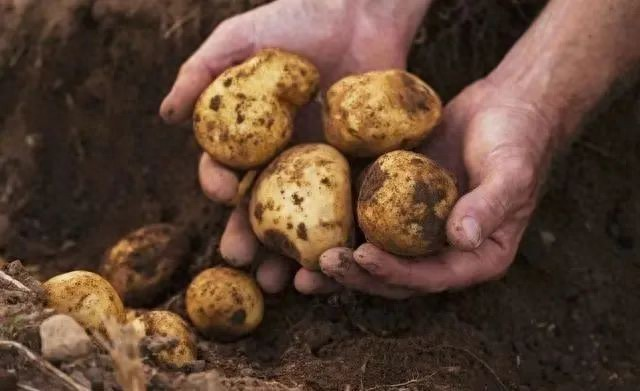
Potatoes are suitable for planting on sandy or on-shore soil and perform such tasks as tan, rake or pick-up in the autumn, with a depth of 15 ~20 cm. Autumn farming is combined with the application of rotting composting。
(iii) good seed choices
Potatoes must be carefully selected when they come out of the cellar, with smooth, soft, colourful skin, insect-free and frozen tubers. The seeding takes place one month before the seeding takes place, spreads into the sun's irradiated room, so that when the white sprouts become green, the seeding can be cut off. It's usually about 20 grams to 30 gram. The amount of seed per acre is 152 kg. Cuts are done at the vertical level, from the top of the potato to the umbilical cord, each of which has a sprouts; they are strictly disinfected. In addition, the selection of 20 grammes ~ 50 grams of small, healthy whole potatoes is a better seed to mitigate the disease. 40% for ff. 200. On the piles of potatoes sprayed with alcohol prior to sprouts, this has had an effect on the eradication of the skin virus。
Sowing at 02
(i) sowing period
In spring, 10 centimetres of soil temperature can sow at 6°c ~ 7c. It's usually seeded in late april。
(ii) sowing methods
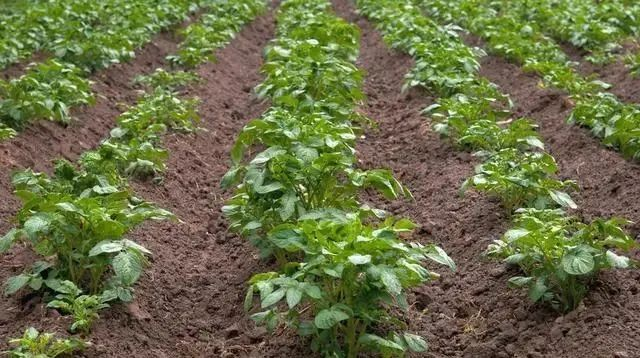
In the mid-western part of our region, the seeding takes the form of flat cultivation, which is based on the fallows, with a foot plough to open a sown ditch 10 to 15 centimetres deep, and then a second fertilizing before opening a second ditch in the first ditch, with a distance of 50 centimetres, and then flattening it. The eastern sector is covered by tungsten, i. E., sowing up or down, with a soil thickness of about 7 cm ~ 8 cm。
(iii) reasonable secrecy
The principle of cultivation density of potatoes is that they are “fruity and thin” and are generally suitable for 3,800 ~5,500 units per acre (nine thousand ~12 thousand quid per acre) in a way that increases the number of potatoes per cassava by a narrow or relaxed range. The production formula for potatoes: per acre = x per acre and x per main tubing; x per main tubing; x per head。
Field management
(i) premium management
It takes 30 days from seeding to seedling, ground slabs, weeds and weeds to grow fast in the west, and it usually takes five days ~7 days before seeding, so as not to touch the point of break, and so does the pre-weed land in the east。
(ii) shortage of seedlings
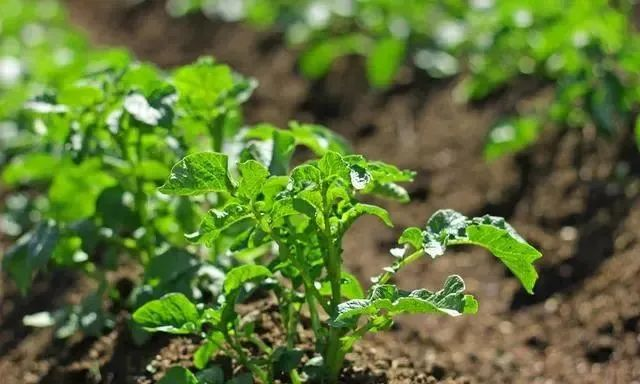
Where seedlings are lacking, new seedlings are replanted. Surplus seedlings can be buried in fields where seedlings can be grown to replace them. In addition, it is possible to excrete a large seedling plant and plant it in its place and in an area where it is scarce, and it is certain that the roots will come into contact with the wet soil, securing two ~3 leaves on the top。
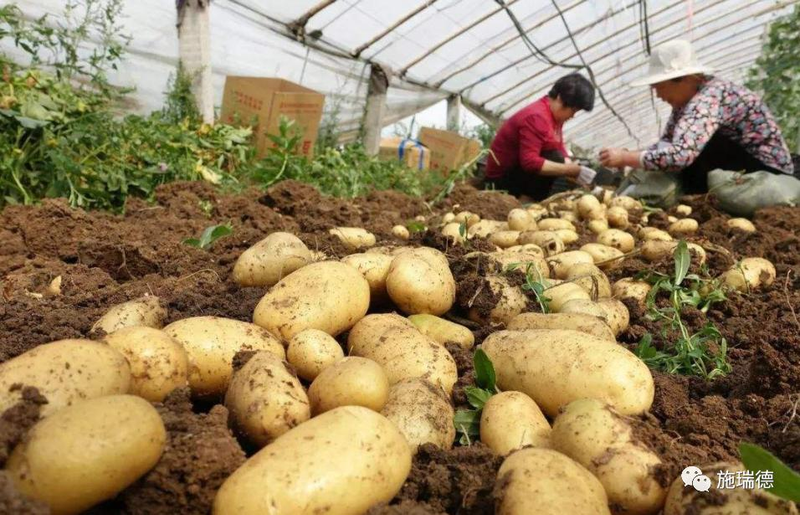
(iii) cultivation of grass and earth
After the seeding period, the first planting ... Depth is 8 cm ~ 10 cm, combined with weeding. Ten days ~ 15 days later, the second chinese tillage ... I'll be shallow. At the present time, when the tubers are formed, the third time the plowing is better, and the second two times the plowing is combined. The first is shallow and the second is slightly thick, not exceeding 10 cm。

(iv) fat pursuit
Potatoes are sensitive to the demand for trace elements such as zinc and boron. Therefore, during the birth of potatoes, emphasis should be placed on supplementing the micronutrients of calcium, magnesium, zinc and boron in order to prevent their symptoms of deficiency. In the platinum-deficit soil, the use of foliage-based velocities in normal periods, and in the case of flower seasons, has a significant impact on the production of potatoes。
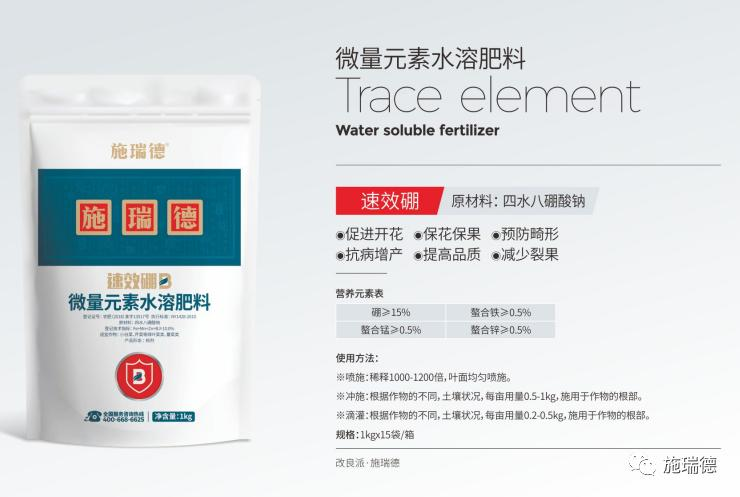
During the flowering period of the potato cash buds, the high demand for phosphorus and potassium allows for the application of high-phosphate-type fertilizer to meet the nutrient demand of potatoes, i. E., good productivity gains。

(v) irrigation and drainage
Potato seed seasons require less water and soil moisture is sufficient. Tube formation requires the largest amount of water in the growth period and requires timely irrigation. Reduced demand for water in the later stages of childbearing, especially in the eastern sector, during the rainy season, should be careful to clear trenches and to prevent flooding。
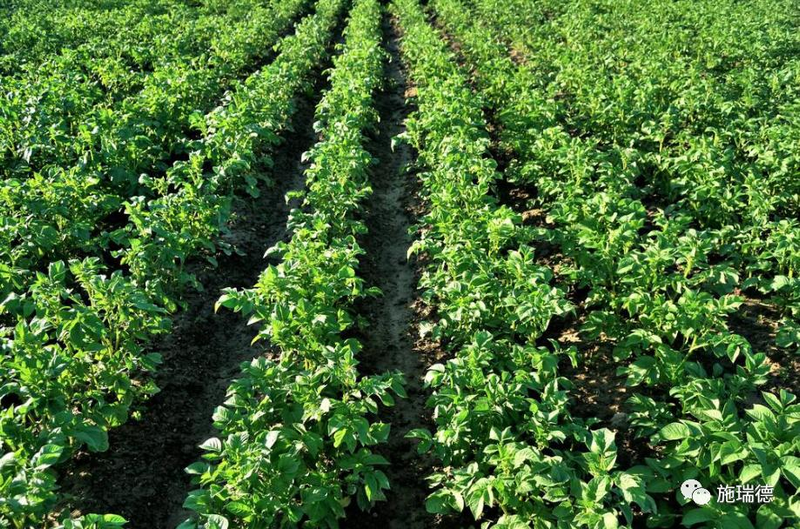
(vi) prevention and control of pests and diseases
Prior to the flowering period, it was better to treat the disease with bordeaux, silver flu, methadone, amishida, etc., 0. 1% litres of mercury water to impregnate 1. 5 hours, or 0. 2% ff to impregnate 4 minutes of scabies. Underground pests such as thorium, thorium, etc. Are also treated with medicinal agents。
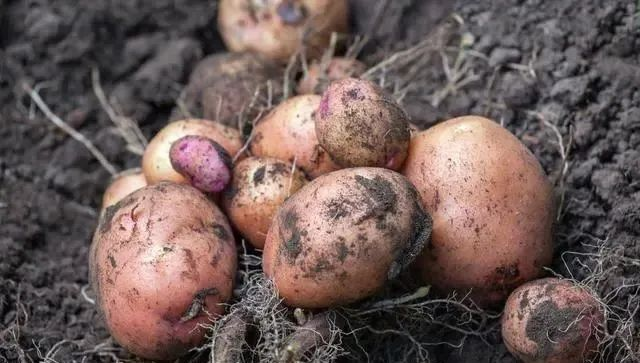
04 harvest and storage
(i) harvest
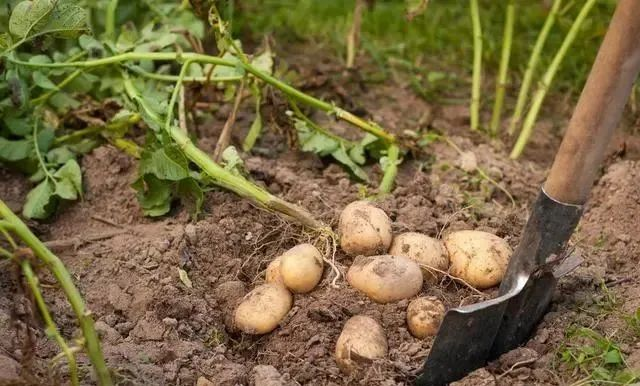
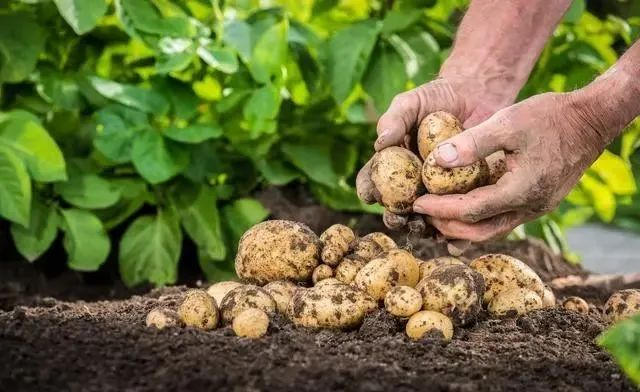
When the local upper leaf is yellow, the tubers are separated from the runners, the ecstasy is thickened and the stem substance is the highest, and the suitable harvest period for eating potatoes. The harvest must avoid damage and prevent sunlight from flashing potatoes。
(ii) storage
Pre-storage is preceded by scalding and drying for 7 days ~ 15 days, known as pre-storage, which is followed by the removal of wounded, sick, deformed potatoes, etc. The most suitable temperature is 1c ~4c, with a relative humidity of 85% ~95% and no light. In winter, care is taken to keep the temperature warm, and if the temperature of the cellar is reduced to 0°c, cover the chips. Watch for ventilation management by spring。
Sometimes a small detail can determine the outcome. Don't ignore the details