Hello, everyone. I'm sarasu, a farmer
Seed processing of potatoes
1. Choice of potato varieties
On the basis of the selection of a good variety, the potato shape is the rule, with typical characteristics of the species, with smooth potato skins, colours and moderate healthy seed varieties weighing 1-2. When choosing to grow potatoes, cracks, deformations, tipping points, dysentery, spots or umbilical troughs must be strictly removed。
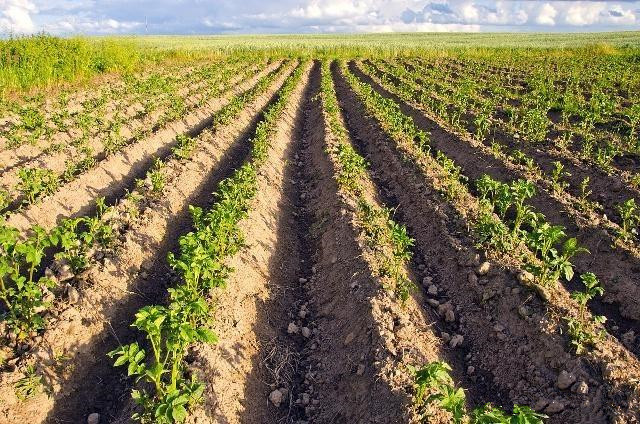
2. Cutting and small seeding of potatoes
The cultivation of chips cut off can facilitate the exchange of oxygen both inside and outside the tub, break the hibernation period, early budding and seedlings. However, when sliced, diseases are easily transmitted through the mouth of a knife, leading to the decomposition of seeds, the lack of seedlings or an increase in field morbidity, and the accelerated degradation of varieties. Slices are too large and are used in such a way that they usually fit 20-30 grams. Cuts are to be rounded so that each cut has a budding eye with the top. When slices are cut, the sick potato should be removed and the slices strictly disinfected to prevent disease。
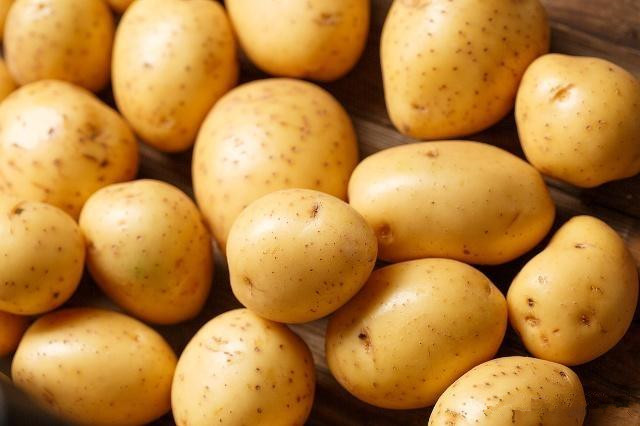
The seeding of small potatoes avoids the disease of the cutter's mouth, which is highly resilient and drought-resistant. After seeding, the seedlings are ready early and the number of buds per tuber increases, the number of principals and the number of blocks. As a result, 25 grams of strong small potatoes are used to sow, with significant disease prevention and increased productivity. However, small whole potatoes tend to have a relatively short lifetime, low maturity, long hibernation periods and, generally, premature ageing at a later stage. In cultivation, the potential for the production of small whole potato seeds should be realized through proper density management, gerontization, increased application of potassium fertilizer and the corresponding nitrogen phosphorus fertilizer。
Three, tremors
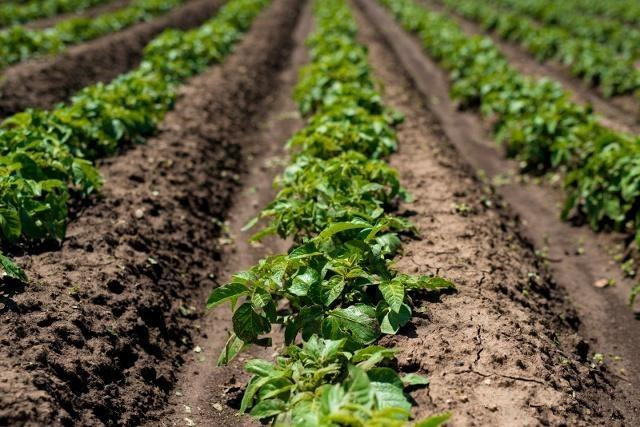
The seedling is an important measure against the disease and high productivity of potatoes. Pre-plant reproduction can promote early ripening and increase production. At the same time, it is possible to eliminate the disease of potatoes and to reduce the incidence of post-farm disease or the lack of saplings, thereby contributing to the healthy growth of whole seedlings. Motivation method: cultivation of the seeding of potatoes and sands into approximately 3-4 layers of thickness, with optimal temperature and wetting at about 20°c, with the seeding of potatoes growing at about 10°c. At sprouts, seedlings are impregnated for 10-15 minutes with 0. 5-1 ppm accumulin solution or 0. 1-0. 2 per cent potassium permanganate solution or 20 minutes with 2 per cent sulphate to increase the lumber effect。
Ii. Enhancing in time
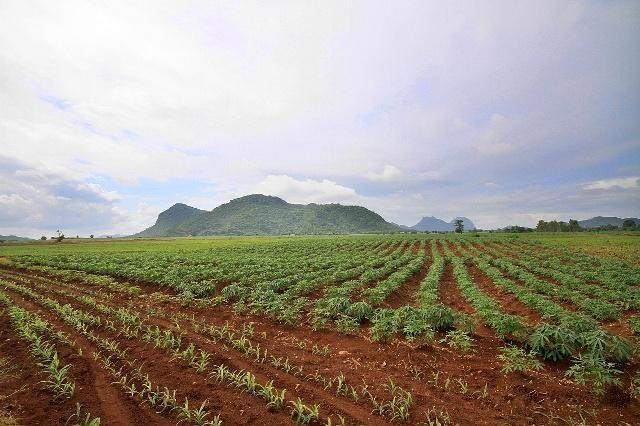
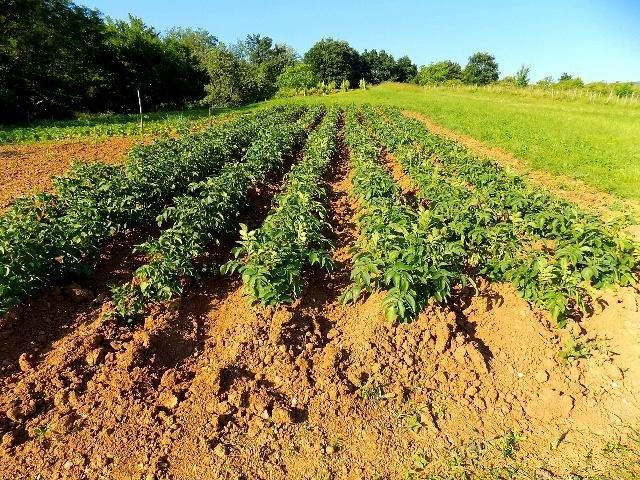
An important condition for determining the timing of seeding is the temperature during growth. In principle, the mashed potato season should be at an average daily temperature of 15-25°c, with the length and total weight of the tubers growing continuously. Most of them were grown after late rice or after mid-term. In the fall, potatoes were planted from late september to late october, and winter potatoes were suitable for planting from late december to mid-january。
Iii. Equipment
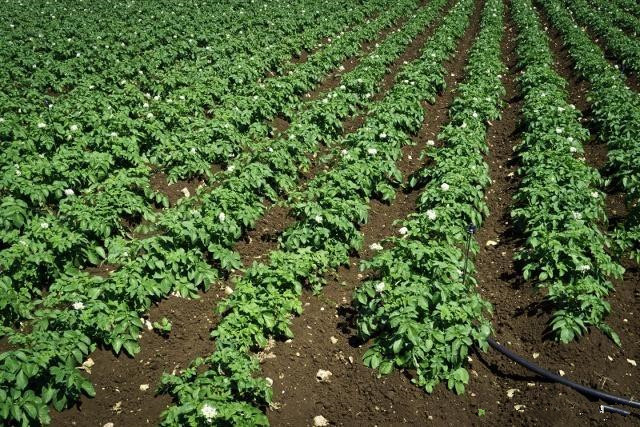
The production factors that make up potatoes are the number of plants per unit area and the production of each plant. The production of single units depends on the quantity of individual potatoes and the weight of individual potatoes. There is, however, a contradiction between the increase in group production and the increase in single production, with a corresponding decrease in production per plant area when the number of plants per unit area increases, and a certain dependence on planting density for both. Within a given density range, the production of stocks increases with the density; single production decreases with the density. The determination of density must therefore take into account the contradiction between group and individual production. If the density is small, the total number of plants per unit area is small, and the amount of potatoes is small and yields are low, although single plants are well developed and yield high. If the density is too large, the total number of plants is large, but the weight of single potatoes is low and yields low. Thus, rational insulation refers to the establishment of a reasonable group structure within a unit area, which not only enables the individual to develop well, but also serves to increase the production of the group, thus making full use of light and ground power to achieve high yields. Taking into account the coordinated development of groups and individuals, at general cultivation levels, potatoes are about 6,000 plants per acre, each of which is suitable for two to three troughs。
Iv. Field management
1. Single seeding
Upon arrival, the seedlings should be replenished in a timely manner to ensure their availability. The seedlings are supplemented by the intensive planting of surplus potatoes in the fields at the time of planting. When the seedling is replenished, if the missing potato seed contains rotting potatoes, the sick potatoes and the surrounding soil should be extracted and the seedlings replenished. When the soil is dry, water should be dug and planted in combination with a small amount of fertilizer to reduce the time of growth of the seedlings and to restore growth as soon as possible. If there are no spare seedlings, the seedlings can be selected from the fields' rows, the dens of multiple seedlings can be selected, the extra seedlings made from the base of the mother's chips, and the seedlings may be transplanted。
2. Cultivated land, pine soil
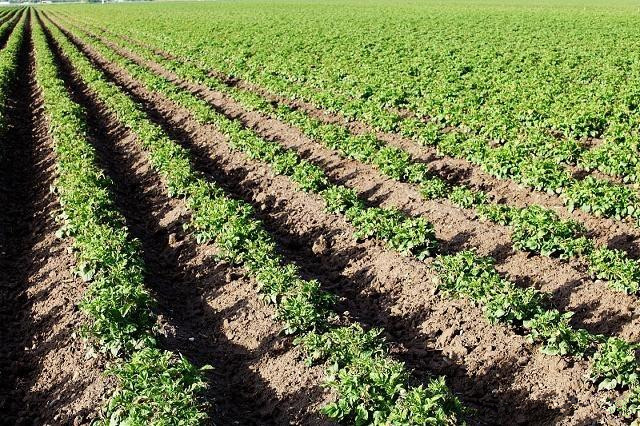
It eases the gas in the cassava layer soil, facilitating root system growth, extension and expansion. Before seedlings are produced, such as earth crumbs, they should be eased to facilitate seedlings. After seedlings are produced, they are cultivated in a timely manner at depths of 8 to 10 cm, combined with weeding, 10 to 15 days after the first and slightly light after the second. At the beginning of the bud, a third field was taken, which was lighter than the second. Combined with the soil, the soil thickness does not exceed 10 cm to increase the potato layer, avoid the exposure of the potato chips and reduce the quality。
Three. Getting fat
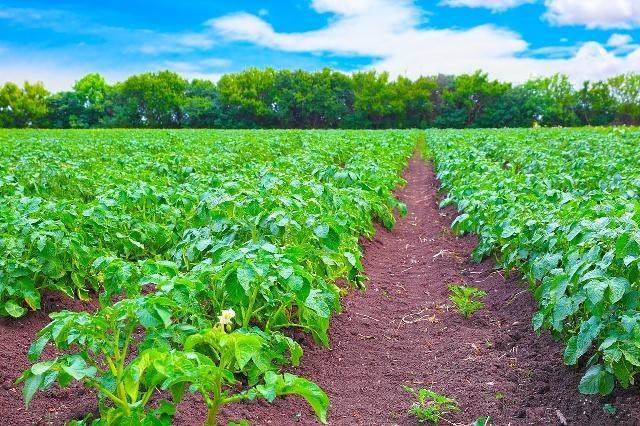
Potatoes are grown for longer periods of time from seeding to seeding and, after seeding, they are required to be fertilized with a small amount of nitrogen and water at an early stage to promote rapid growth. During the gestation period, the fertilisation of potatoes is combined with soil cultivation, with potassium as the main factor, and with nitrogen fertilizer, the application depends on plant growth. When flowers bloom, they are usually not fertilized. If defecation and premature decay are shown at a later stage, leaf spray can be performed by combining phosphorus or potassium with trace elements。
4. Pest prevention
Potatoes suffer more from diseases, common diseases such as viral diseases, late disease, ailments, cyclic decomposition, hysteria, etc. Late disease usually occurs before and after the onset of heavy rainfall and flowering. Attention should therefore be paid to the early use of bordeaux or retoxin. At present, bacterial atrophy is difficult to control, and control methods are controlled mainly by rational rotation, resistance to the selection of disease species and the sowing of small potatoes as a whole. Potato pests include, inter alia, aphids, earthworms, aphids, thalliums, etc., which can be combated with medicinal or artificial hunting。