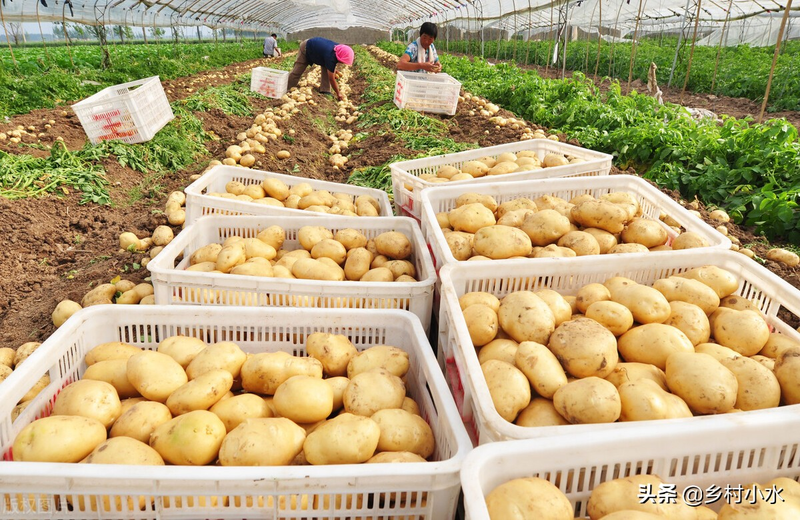
The potatoes, also known as potatoes, were born in the mountains of tropical america and passed into our country in the seventeenth century. The potato is the fourth largest “food crop” after wheat, rice and maize in the world's crop range and is well received。
Potato is an important cash crop in our country, which is now the country with the highest total production of potatoes in the world owing to its high productivity, nutritional enrichment and environmental resilience. Many people grow potatoes with small, small or no potatoes, which leads to low yields and low quality. Today, i share five experiences of potato cultivation。
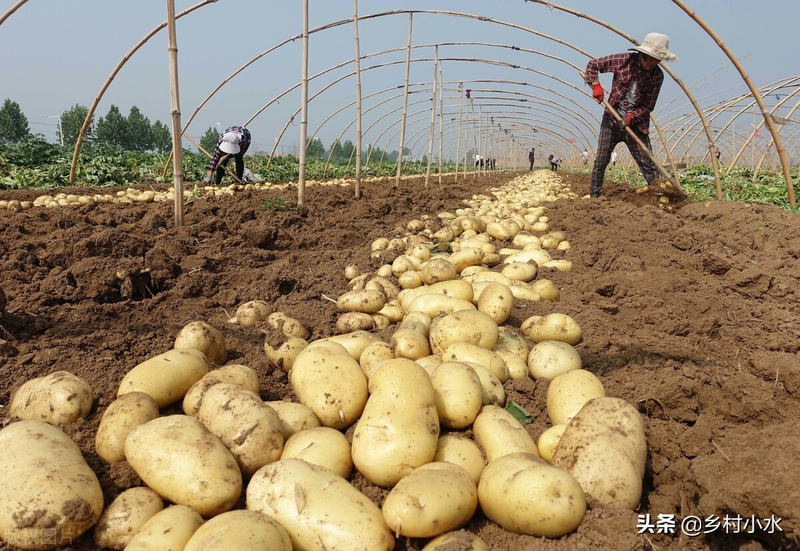
Five good potatoes. Got it
I. Strict choice of soil
Growing potatoes, if the soil has no choice, is equal to white. The normal development of potatoes is more demanding for the soil, which is too rigid for the growth of the subterranean troughs and the breathing of the roots, while the potato is not resistant to flooding and is prone to decomposition, so it is preferable to plant it on soil with deep soil, loose structure, well-watered and organic content。
At the same time, in order to reduce the harm caused by endemic diseases, potatoes are not suitable for replanting, with plots previously grown, and certainly not for replanting potatoes (preferably three years apart). Second, if the front lines are plots of eggplants, peppers, tomatoes, sunflowers, which share the same pathologies as potatoes and are not suitable for potato cultivation, it is better to choose corn, cereals, beans to grow potatoes, which can significantly reduce the incidence of the disease。
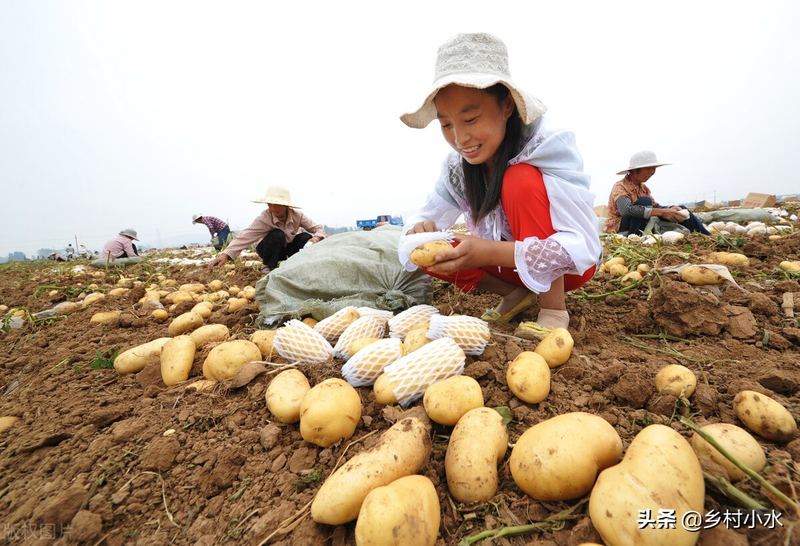
Ii. Scrolling of blocks with “grass ashes”
When we grow potatoes, we try to find healthy, colourful and smooth potatoes for seeding, with disease spots, budding deaths and deformed potatoes。
Note: the seed of potatoes is selected so that they can be sliced, and when they are cut, we're going to immerse the knife with alcohol for five minutes, so it can be disinfected. When cutting blocks, the size of the seed is 20-30 grams (too large, with an increase in weight; too small, which tends to lead to the emergence and weakness of the seedlings), while ensuring that each block has one or two budding eyes for seedlings。
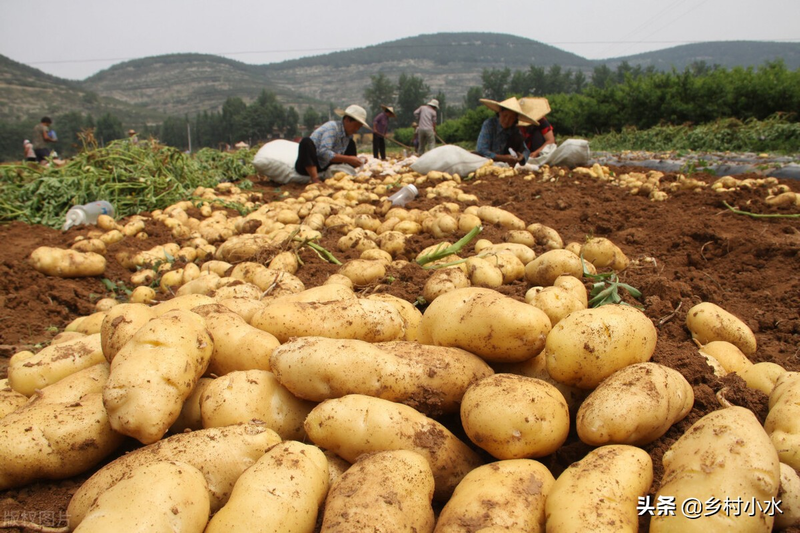
After cutting, it would be better to sow it with grass ash, which would have four major benefits for the crop:
One is that grass-wood ash can kill bacterial inhibitions. (b) grass-wood ash inhibits the reproduction of bacteria, and grass-wood ash is painted on chips to prevent decay
The second is that the ash provides nutrients. Potatoes are potassium crops, while grass-wood ash is natural organic potassium fattening, and the cultivation of grass-wood ash can promote potato growth
Thirdly, grass-wood ash improves the soil. The planting of blocks mixed with grass can enhance soil permeability and contribute to the expansion of subsurface chips
Four is that weed ash increases the temperature of the earth and grows faster. There is a close correlation between the time taken to sow and the high temperature of the soil, and the shorter the temperature, within the appropriate temperature range. The mixing of seed blocks and grass ash can increase the temperature of the soil, facilitate early seedlings and improve their convergence。
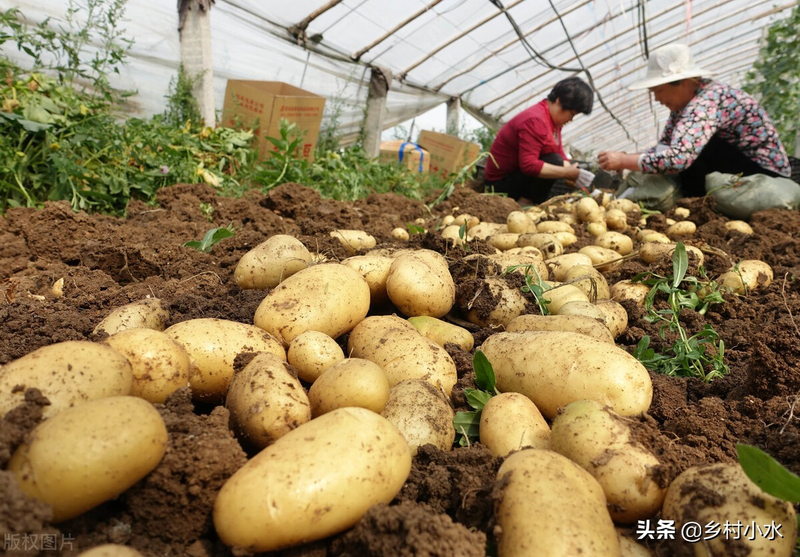
Special attention is paid to the fact that potatoes prefer cold climates, are intolerant to high temperatures, and the most suitable temperature is 12 to 18°c for sprouts, 15 to 25°c for staves and 16 to 20°c for staggers. It is therefore advisable to plant potatoes in spring and autumn around march, when the soil temperature is stable at more than 10°c; at autumn hour, the average daily temperature in various parts of the country is stable at less than 22°c, so that planting in the autumn is better in late september。
Iii. Assumptions, lots of land
Potatoes should not be too deep for sowing, and too deep can lead to slow or even no soil; of course, it is not too shallow. If they are too shallow, the drought resistance of the seedlings is poor and the plants are prone to drought. It is not appropriate to sow more than 15 cm or less than 5 cm, with 7-10 cm being the best。
In order to be high-yielding, potatoes are grown in many ways. There are three main benefits to this land:
One is to keep the soil cool. The growth of the tubers will cease at temperatures above 25°c and the soil will increase the thickness of the earth and create the cool environment necessary for the expansion of the chips
The second is to keep the soil loose. A combination of cultivation and weeding can make the soil more lax and the soil is conducive to the full expansion of the stem
The third is to prevent potatoes from turning green. If the potatoes are exposed to the surface, the chips tend to become green, and their quality will be severely reduced, and they can be prevented from becoming green through the ground。
Note: the potatoes are ready for three long-term periods, the first for 10 days after chimei; the second for the flowering season, the third for 20 days after the present, and the depth of the earth for a shallower period。
Iv. Timely collection of flowers and laces
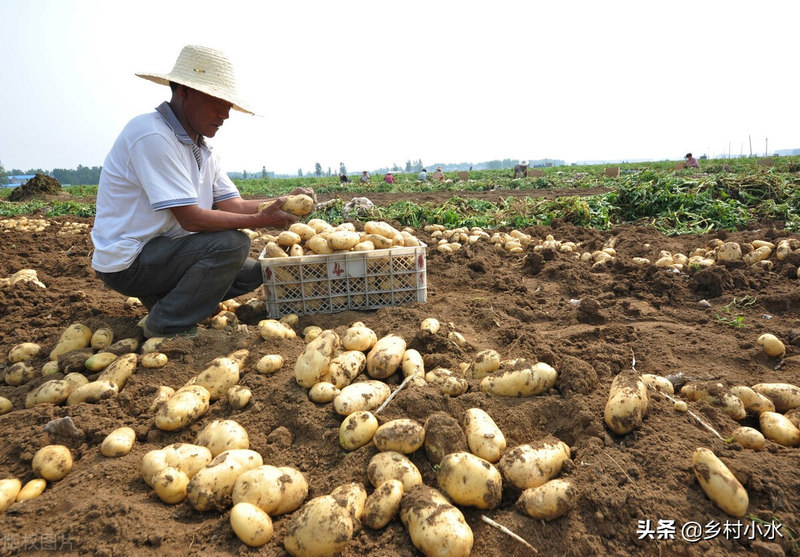
After the cash of the potato buds, the troughs of the ground began to expand, and 15 days later the plants reached the flower season, with the greatest capacity to produce nutrients。
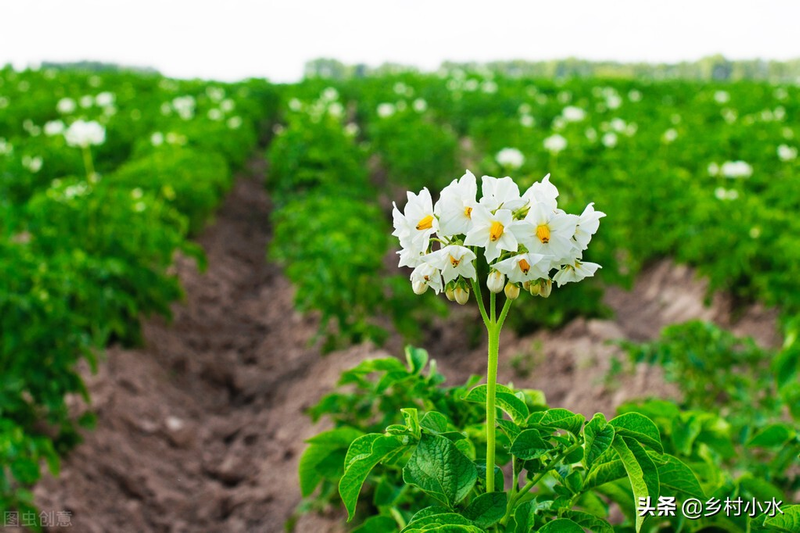
The flowering period is the most flourishing period on the top of the ground, and the planting of berries on the ground after the flowering period will result in the growth of the berries and the expansion of the troughs of the ground, which are largely parallel, and the growth of the berries and the expansion of the troughs of the ground are “competing” in the distribution of nutrients. Thus, it is possible to avoid berries on the ground competing for nutrients, as well as to extract flowers, and to increase potatoes by more than 20 per cent。
Specific operating methods: when 50 per cent of the potatoes are planted in a ready-to-be-plant leeches, we can start picking flowers and pick them up again every seven days, two or three times in a row, thus effectively reducing the waste of soil nutrition. In addition, flower pickers can inhibit nutritional growth and promote reproductive growth, which can help to prevent the growth of plants。
Note: a strong potato plant would significantly reduce the production of chips, and if the plant is found to be insanely long or to be trending, we could spray 80 grams of more than 30 kg per acre with more than thorium per acre to prevent it from growing。
V. Capturing the best fertilisation period, doubling the fertilizer
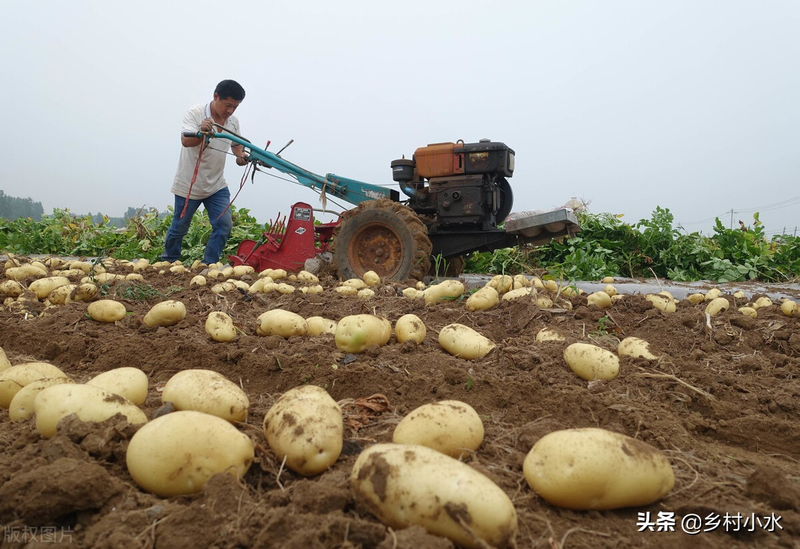
The high production of potatoes is in high demand for soil nutrients, which, in addition to the application of base-based fertilizers, are followed by fat. The base fat can be 3000 kg (preferably pig dung, goat dung) per acre of fully decomposed farm households and 40 kg of triple compound fat。
As the demand of potatoes for nutrients increases gradually during the flowering season, the highest fertility is associated with the recovery of potatoes during the flowering season, where we can trace 20 to 25 kg of potassium sulphate per acre and spray 0. 3% of potassium phosphate every 10 days (30 kg of potassium phosphate per acre for water) with a significant increase in production by two to three times。
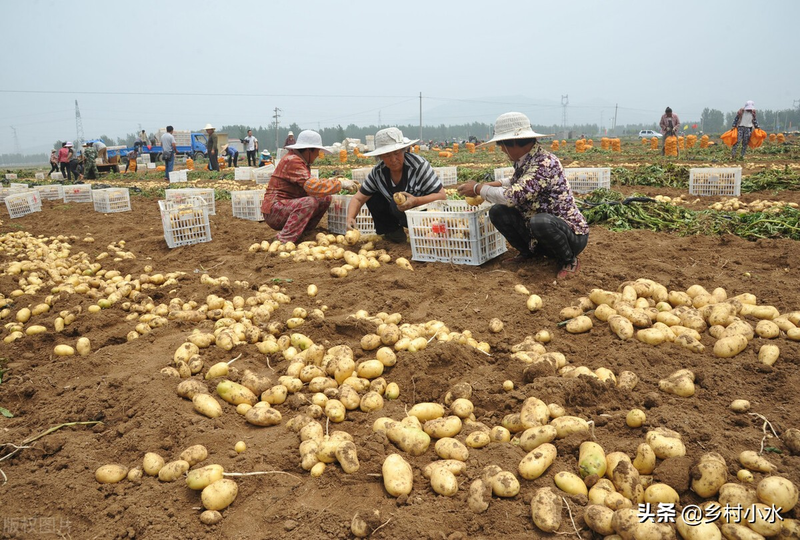
In summary, potatoes are popular foods that have a high economic benefit from their high production. In planting, we should strengthen management in the fields of selection, seeding, seeding, earthbreeding, fertilizing, and pickling to ensure high productivity and quality of potatoes。