I. Selection of varieties
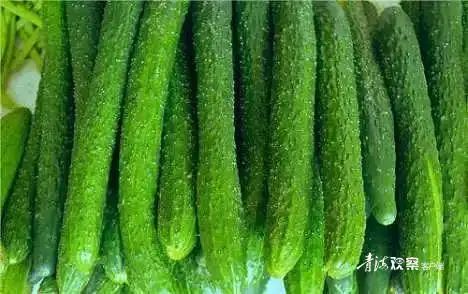
Cucumber-resistant, strong-growing, disease-resistant, good quality and high-yielding varieties should be chosen. At present, there are better-performing varieties in production, such as chinese farmers 16, beijing 204 and improved zinchun 2。
Ii. Fertilizing the whole area
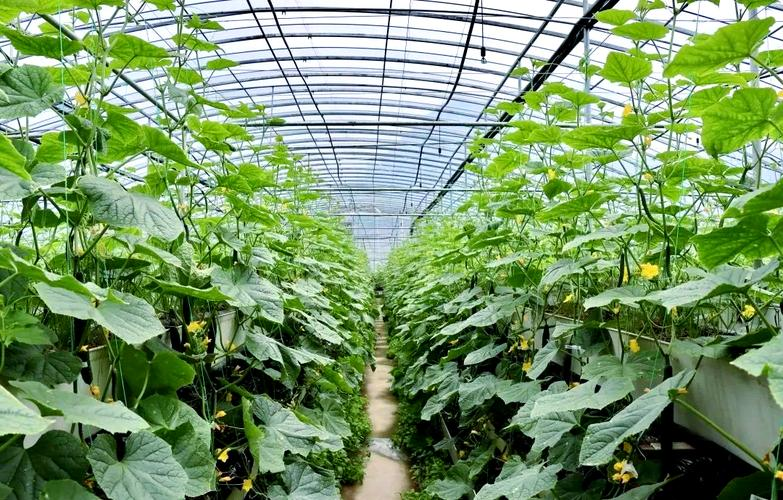
The planting is preceded by the cleaning of fields, the cleaning of leaves and weeds and the mitigation of pests. Autumn canopy cucumbers have been produced for a relatively short period of time, so they have to re-apply to base fertilizers, which are dominated by one ounce of organic fertilizer, not less than 1,500 kg per acre or more than 2,000 kg of high-quality organic fertilizers, preferably in ditches. 20 kg of potassium sulphate (or potassium nitrate) per acre and 30 kg of ammonium phosphate for organic fertilisation in ditches. In combination with fertilisation, the soil is torn between 25 and 30 centimetres deep, the fat is torn into the soil, fat and even, and the earth is torn. It is grown with a small, high-strength plant, 15 to 20 centimetres tall, 80 centimetres wide at the base, and an archetype at the top. It can also be made of vasectomy, with water being poured under the membrane, which can save water while reducing the humidity of the shed and the incidence of disease. The direction of the aluminum is east-west, large-size, 90 cm wide and 50 cm small (i. E. 140 cm double-cropping). The use of black membranes is better and can reduce the temperature, weeding, water conservation and fertility。
Iii. Required institution
The broadcast must be preceded by a bottom-up, two or three days before the planting, and a solid surface, guaranteeing the quality of the seeding. The planting period is more appropriate between the end of july and the beginning of august, with an acreage of around 150 to 200 grams. On-demand, 2 to 3 seeds are placed in each den, with 1. 0 centimetres of ground being sown. In order to ensure proper seeding, it is advisable to impregnate the seed by burning it with water at 56°c for 10 minutes and immersion for 6 hours. When the seeds are washed, they are sprung with towels or wet cloths wrapped at 25 °c ~ 30 °c, and they are sprung in 36 hours in the summer, and they are sown in time。
Iv. Equitable secretariat
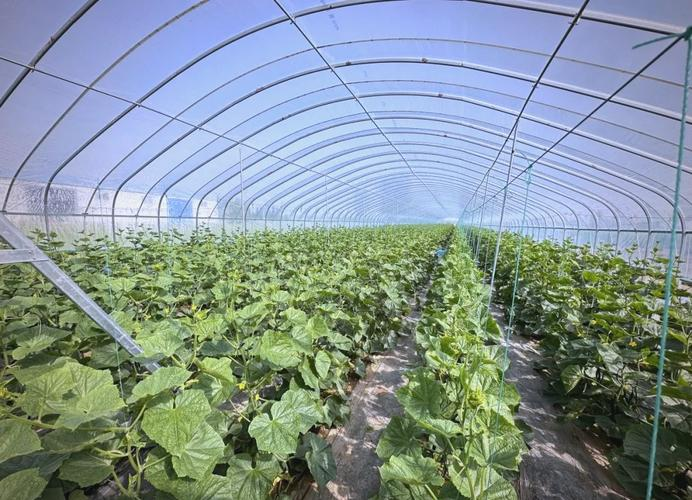
Autumn cucumber cultivation, not too dense. Rare ventilated light allows for the cultivation of photosynthesis, increases later yields, and reduces the occurrence of pests and diseases. The density of seedlings per acre ranges from 3,500 to 4,200, and ranges from 22 to 24 cm. The seedlings of the two or three leafs shall be taken away from the seedlings, the weak and the sick, so as to ensure that they are consistent and to lay the foundation for production. Shrimp management combines tillage, pine soil and weeding, in the presence of proper wetting。
V. Field management
The field management of cucumbers in the fall shed should be divided into three distinct phases: high temperature management (precedent), temperature management (medium term) and cryogenic management (late period)。
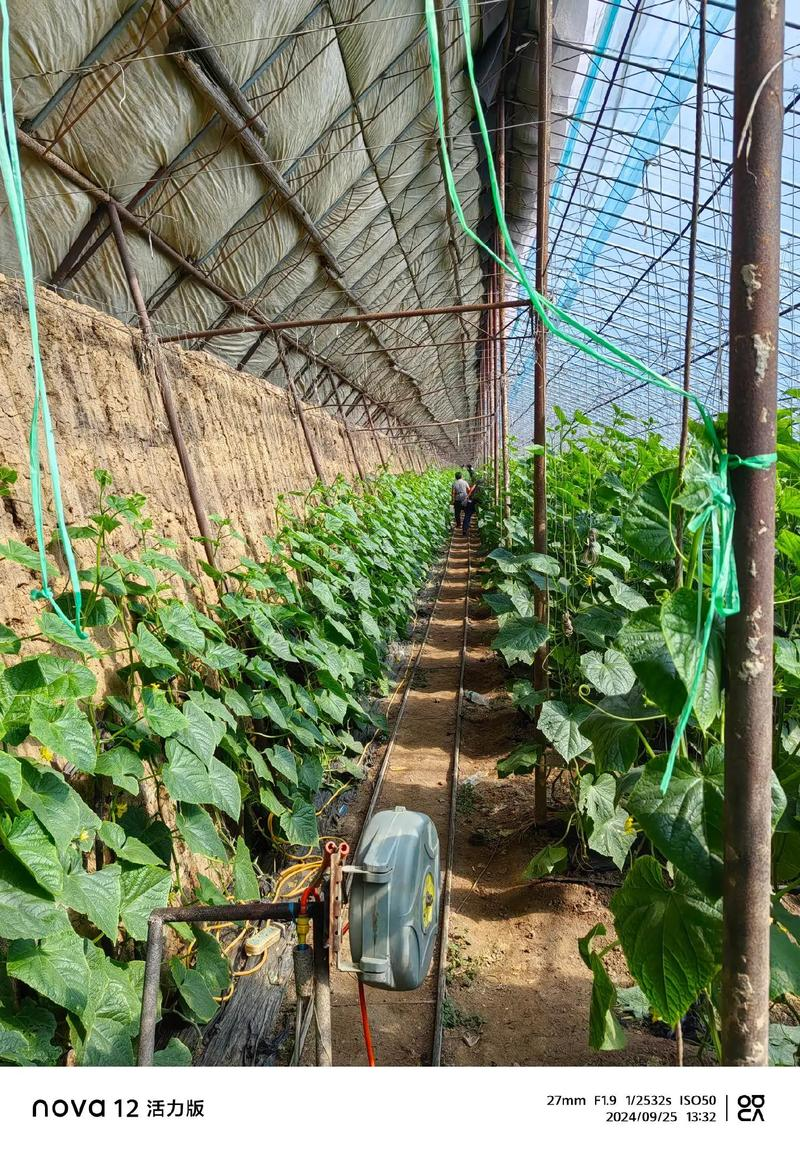
1. In the pre-temperature periods of heavy rainfall or high-temperature drought (early july to mid-august), care should be taken to protect against rain-fed water and to increase ventilation and reduce temperature. The wind vents should be closed in time for the rains, and water should be drained in time for the rains; and small precipitation should be applied in time for the sun to shine. Pre-management needs to be focused on controlling the growth of small- and small-scale seedlings, and not to be overwatered and wet. Subsistence seedlings, plowing the pine soil, and placing the seedlings properly。
2. In the medium term, i. E., during the peak period of cucumber-bearing (late august to early october), attention should be paid to changing the air during the day, reducing the humidity of the air and preventing the occurrence of diseases; and to increasing the temperature differential between the day and the night, which is controlled at 28°c ~ 32°c, at night at 15°c and at least at 12°c. At the start of the gourd period, the water supply must be sufficient and it must normally be fertilized every time it is watered. Fertilisation is primarily based on rapid-effect flushing, with a preference for the application of potassium fertilizer. The principles of management of fatty water are: to have more frequency, to have smaller quantities and to have complete elements; and to prohibit flooding. A total of 10 to 15 kg of flush fertilization per acre at 40 per cent of water per acre was applied once in about 10 days, 3 to 4 times。
3. Late in the middle of october, the temperature was drastically reduced and management was dominated by temperature preservation. At the same time, care should be taken to provide adequate ventilation to prevent the spread of diseases due to the high levels of wet air in the sheds. The temperature remained at around 25°c during the day and around 13°c at night. In the daytime, only the top wind is opened, the wind is closed early, and the longer the temperature is appropriate, the better it will be, the higher it will be. The growth of cucumbers slows when the minimum external temperature drops to 6°c, the absorption of fat water is reduced, and water should be controlled to maintain the temperature in the shed. A combination of pest and disease control can be used to fatten the leaves, using 0. 5 per cent urea with 0. 2 to 0. 3 per cent potassium phosphate or cucumber-specific leaf fat。